Office foodies, the working lunch needs YOU!
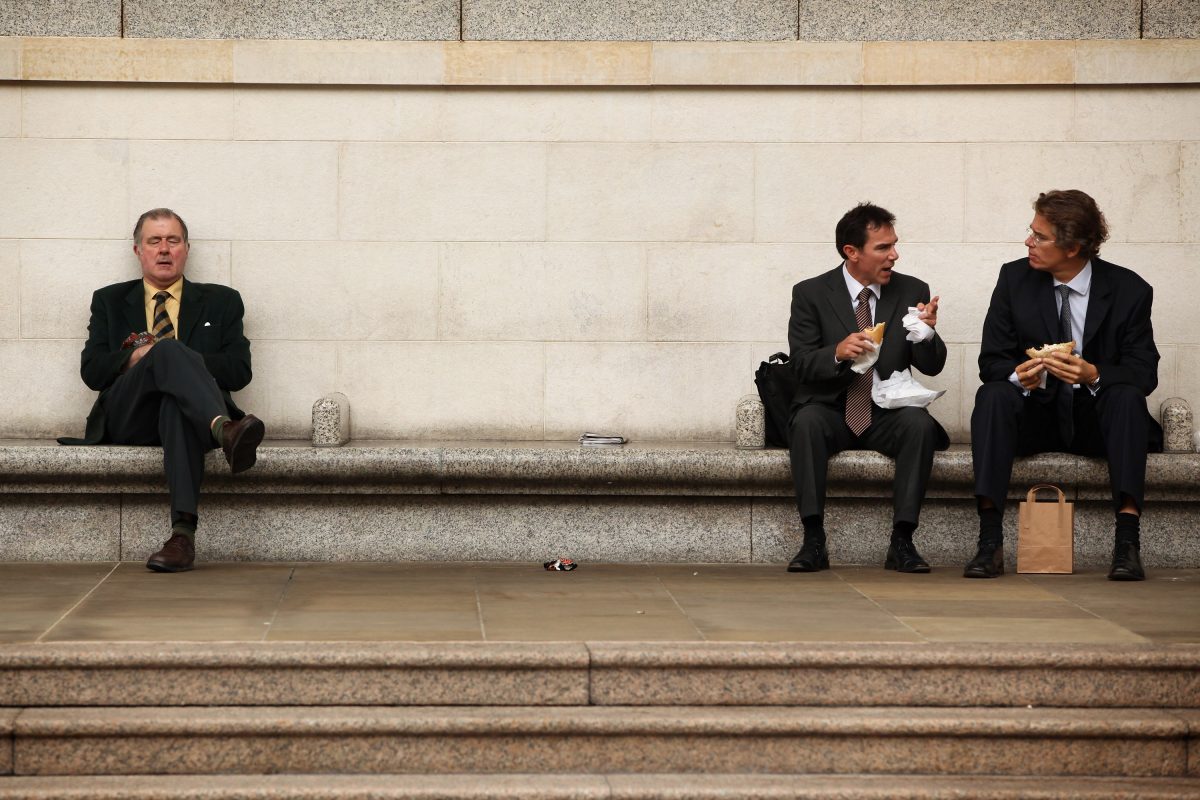
Amid a hospitality crisis, it’s up to workers to take longer, boozier lunches and power the economy, says Nicole Gordon
British hospitality is in crisis, thanks to soaring operating costs. British pubs are reportedly closing at a rate of two per day, while rising food and energy prices continue to place new pressure on the sector in the wake of conflict in the Middle East. With little meaningful relief for restaurateurs, it is increasingly down to the Office Foodie to help prop up the industry.
The relationship between business and hospitality is symbiotic. Businesses and business districts benefit from vibrant and exciting restaurants on the doorstep of their workplaces, and these restaurants and bars need their trade. With household budgets squeezed, I believe London businesses and workers have a role in supporting the hospitality infrastructure that surrounds them. Charlie Humphries, head of brand at Caravan London Bridge, a popular working lunch spot, says professional trade has always been important in keeping kitchens busy, calling them “a lifeline” for main restaurants, that’s only getting more urgent: “Right now, those working lunches and client meetings matter more than ever,” he said.
Let’s revive the 80s power lunch
Take us in Bankside, we are famous for our incredible foodie offering and wonderfully diverse restaurants. Borough Market inspires visitors from across the world and there are no less than 122 restaurants and 40 pubs in Bankside, with at least 31 worldwide cuisines represented that local City workers can enjoy. These gastronomic locations bring great joy, energy and excitement to the area. When office workers based in Bankside go for an everyday lunch, they can enjoy bao buns, charred cauliflower or cured meats. This is an incredible privilege and one that encourages a huge diversity of industry sectors to base their offices here – especially when they may have patrons with big expense budgets.
But this delicate ecosystem of diverse food and drink enterprises is facing immense cost pressures, especially as fewer workers come into the office. Which is why it is time for London businesses to up the ante – to revive the long lunches so popular in the 80s, and shift client and supplier relationships off Zoom and into the restaurant. Not only for the good of hospitality, but for business too.
Lawyer Simon Fitzpatrick, a partner at Boodle Hatfield, for example, said his firm was moving back to prioritising real-life connection after realising the business benefits. “With remote working having become part of the way of life for business, we prioritise opportunities to meet face to face in our teams and with our clients and contacts, as that is how deeper business relationships are made – both amongst staff members and clients,” he said, adding that “working lunches make business sense”.
A short history of the working lunch
I couldn’t agree more. The concept of a business lunch was first seen in the 17th and 18th centuries with European merchants and shipowners using London coffeehouses to meet and discuss trade. Urbanisation in the 19th century, where industrial work schedules created a midday break, saw a more standardised lunchtime for business discussions, and gentlemen’s clubs and restaurants sprang up for this purpose. Then in the 80s came the “Power Lunch”. London, New York and Chicago saw restaurants develop specific deals for office workers to book for their high-stake client meetings.
There is, of course, a role to play by restaurants and bars in attracting business trade through the modern equivalent of the “Power Lunch”. Professionals need business lunches that are compelling enough to tempt clients to travel, are efficient in length and are affordable enough to become a habit rather than an exception. In Bankside, a number of our business members offer deals specifically for local office workers. Plaza Khao Gaeng offers 25 per cent off weekday lunchtime bills, for example, while Bancone, Bala Baya and Caravan all offer more affordable lunchtime offers too. We also run a Bankside Buzz Card for business members, which incentivises professionals and local residents to keep their pound in Bankside with exclusive deals if used with local restaurants and businesses.
The hybrid opportunity for hospitality
Hybrid working may have caused a decline in lunchtime footfall, but our research has shown it also presents an opportunity for hospitality, if they are willing to do things a little differently. In a recent hybrid working-themed Bankside Connects event for senior Bankside business leaders, we discovered restaurants and bars were adapting to workers using their venues as a remote, daytime office space. New amenities were being offered to encourage dwell-time and spend, whether through bottomless coffee or flexible workspace-style perks such as reliable Wi-Fi, charging points and quieter seating areas.
Whether it is through a business lunch to build stronger connections, or simply choosing to base yourself from a local restaurant over your kitchen table when working from home, there is no doubt that London’s hospitality sector needs your trade. Imagine going into work and finding nowhere to get a coffee, enjoy after-work drinks or grab a delicious lunch. A proactive decision from business professionals to ditch al-desko dining and use their local pubs and restaurants is an imperative for the quality of all our working lives – and frankly, who can’t get behind a campaign that advocates for an increase in delicious business lunches to power the economy?
Nicole Gordon is CEO of Business Improvement District (BID), Better Bankside: Better Bankside – Powered by the people of Bankside