
UK government borrowing overshoots expectations on day Burnham elected
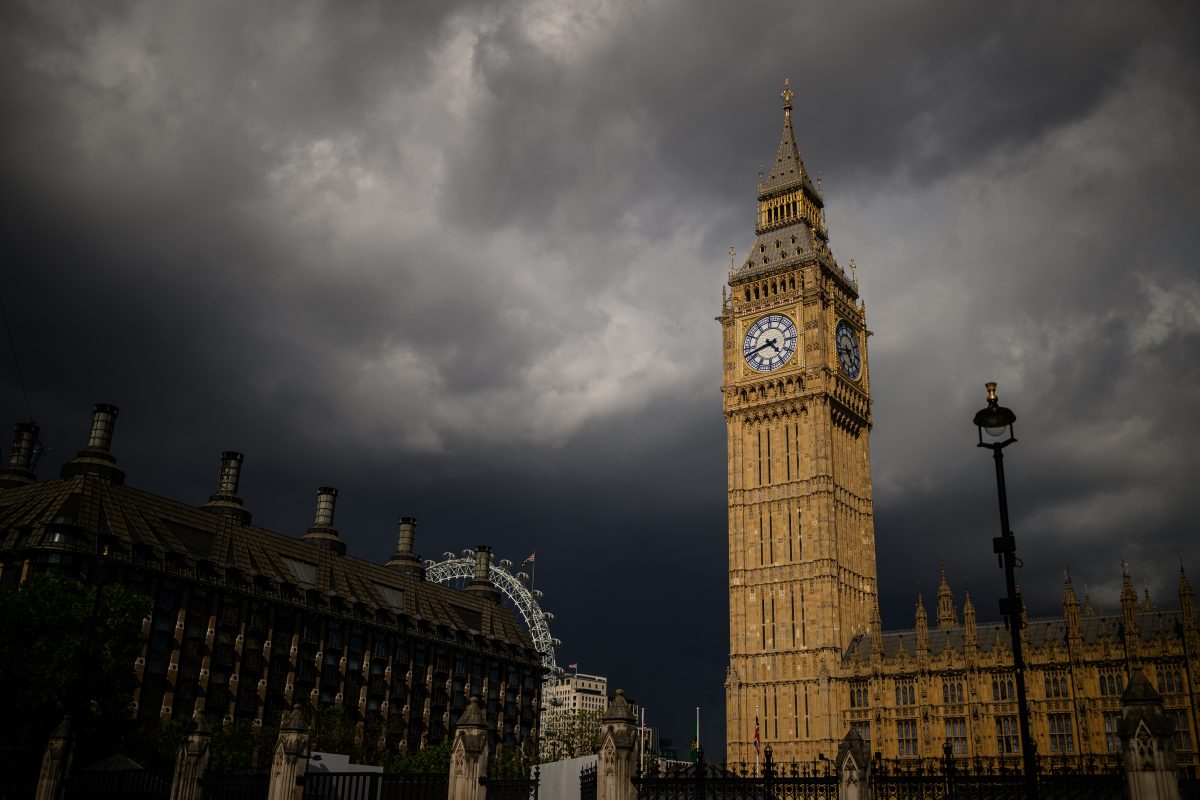
UK government borrowing jumped higher than expected than expected in May, official data has shown, with Andy Burnham’s win in Makerfield now setting up a potential shift in public finance forecasts.
The Office for National Statistics said the government’s net borrowing was £23.2bn in May, above economists’ £19bn prediction.
Further government borrowing came as debt interest costs hit £11.7bn, the highest in any May on record by the ONS. It came gilt yields rose to their highest level in nearly 30 years last month.
The current budget deficit in May was £18.5bn while public sector debt as a share of GDP inched up to 95.1 per cent.
May is the second month in the financial year, with last year’s government borrowing coming to a total of £132.7bn while the current budget deficit was £50.9bn.
Total government borrowing between 2025 and 2026 was slightly below levels a year before as tax receipts jumped by 5.6 per cent.
“Inflation has held steady and unemployment has fallen this week, but the war in the Middle East has clearly had an impact on economies around the world,” Chief Secretary to the Treasury, Lucy Rigby, said, adding the government has the “right economic plan to deal with these challenges.”
The latest data release comes just as it was announced that Andy Burnham won the Makerfield by-election.
Analysts have warned that a Burnham premiership could lead to looser fiscal policy due to concerns over spending pledges and tax cuts.
Richard Carter, head of fixed interest research at Quilter Cheviot, said the latest figures put the challenges facing Andy Burnham into “sharp contrast” should he now mount a widely expected leadership challenge against the prime minister.
“Markets await to see just how quickly he looks to strike and ultimately seize the premiership from Keir Starmer, and what his economic plan looks like exactly,” he added.
Economists suggested that changes in gilt movements on Friday may not be as largely driven by political uncertainty as by events in the Middle East and changing interest rate expectations.
Modupe Adegbembo, an economist for the American bank Jefferies, suggested investors had priced in the risks of a Burnham premiership.
Risk for further government borrowing
Chancellor Rachel Reeves meanwhile faces the challenge of protecting her own political career while overseeing tough decisions around funding extra defence spending and dealing with the impacts of the Iran war.
On Thursday, defence secretary Dan Jarvis met with ministers from other Nato countries, with the alliance’s chief Mark Rutte warning against countries including the UK for failing to set out when they would raise defence spending to 3.5 per cent of GDP.
Defence spending in the UK amounts to around 2.6 per cent of GDP. Getting to 3.5 per cent would require an extra £40bn in spending each year. The government has so far agreed to cut capital budgets in the next few years to only add around £13bn to the defence budget over three years.
Reeves may also come under pressure to draw up an energy support package as the effects of higher oil and gas prices trickle through into the UK economy over a longer period of time.
Hits to UK growth and higher inflation over the course of the year could further squeeze public finances despite a peace deal being signed, according to the Office for Budget Responsibility.