
UK cuts US parts from missile production chain in new systems for Ukraine
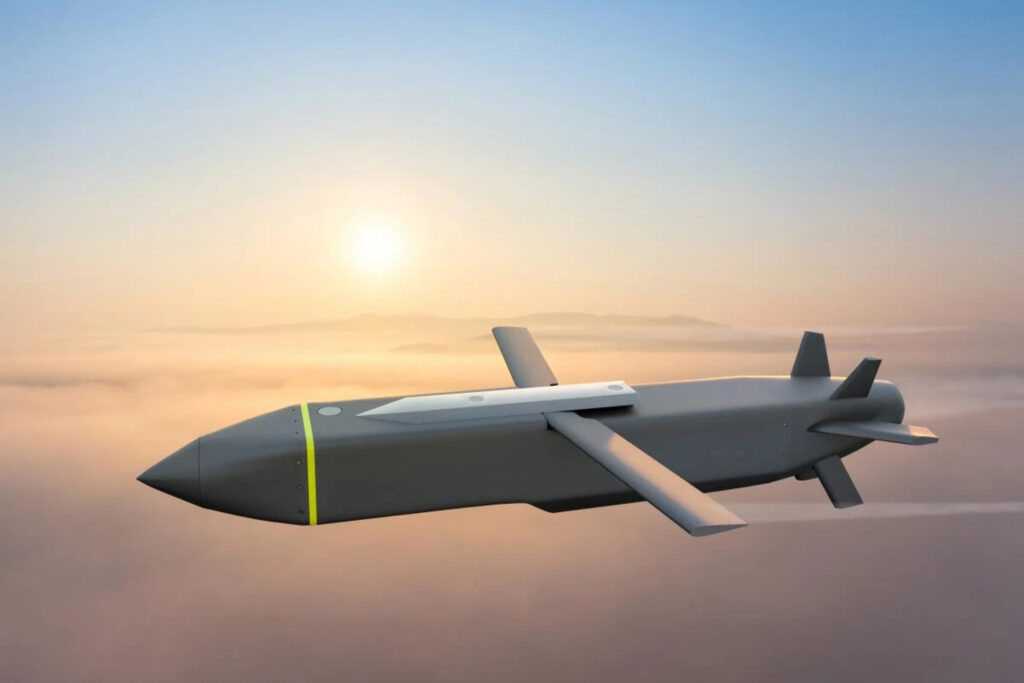

Ukraine is set to receive a new generation of British-developed long-range missiles designed without US components, as London moves to expand its support for Kyiv’s deep-strike capabilities.
The UK Ministry of Defense has confirmed the development of three prototype cruise missiles under a program known as Project Brakestop, according to Financial Times reporting on the program. The systems were tested in spring, and at least one design is expected to be delivered to Ukraine by the end of 2026.
The move comes as Ukraine seeks to expand and diversify its long-range strike arsenal, amid repeated delays and political constraints linked to US-involved systems. British officials said the new designs remove American components entirely, reducing external restrictions on deployment and export decisions.
New missile designs built for faster, cheaper production
Three companies are involved in the program: MBDA UK, MGI Engineering, and Rotron Aerospace.
MBDA UK developed the Crossbow cruise missile, which uses an independent visual navigation system rather than US-linked guidance inputs. Rotron Aerospace produced a propeller-driven SkyLance variant focused on longer range at lower speed, while MGI Engineering adapted Formula 1-derived technology for its Tiger Shark concept.
UK officials said the aim is to shift toward simpler, lower-cost cruise missiles that can be produced at scale, with a target rate of around 20 units per month. Reported unit costs are significantly lower than existing Western long-range systems.
Broader push to expand strike range
The development comes alongside UK testing of experimental long-range weapons that could reach targets over 300 miles (500 km) away, according to The Telegraph. That range places Moscow within potential strike distance from Ukrainian territory.
Those systems, also part of Project Brakestop trials, are designed to complement existing missiles such as Storm Shadow while increasing range, lowering cost, and speeding up production.
British officials have indicated that follow-on testing is ongoing, with further trials planned in the coming months and initial deliveries to Ukraine possible within a year.
The wider effort reflects a shift in Western procurement toward faster, modular strike systems designed for high-volume production and reduced dependency on sensitive supply chains.
Read Also
-
“Our families are part of Ukraine” – KyivPride brings thousands onto Kyiv streets for annual march
-
Ukraine hits both ends of the Crimean Bridge corridor, targeting Russia’s logistical grasp on the occupied peninsula
-
Ukrainian commander: Russia can’t buy the air defense to hold Crimea. The microchips don’t exist.