The Bank of England is keeping Britain in the waiting room
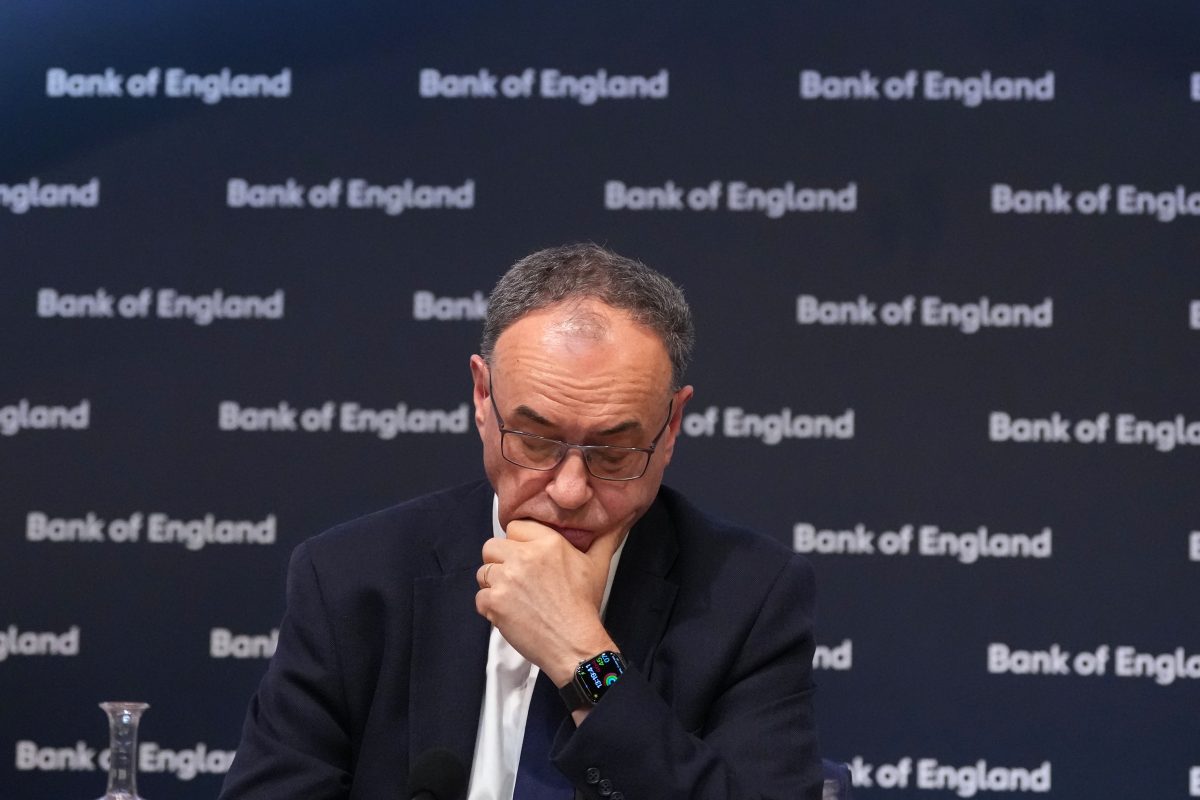
The MPC’s decision to holding the Bank rate for the fourth meeting is downstream of a government, and a country, that’s run out of ideas, says Emmanuel Igwe
What sound does a country make when it has run out of ideas?
Rather than cacophonous noise or a muted groan, I would say that sound is more akin to hold music on a loop – the sonic expression of an institution that would prefer to keep you on hold than tell you the truth. Whatever it is, we’ve certainly heard it this week.
For the fourth meeting in a row, the Bank of England has held its Bank rate at 3.75 per cent – its lowest level since early 2023, and there is no indication that it might raise rates soon. In an interview with Bloomberg following the last Monetary Policy Committee (MPC) decision, Andrew Bailey described the Bank’s decision to uphold Bank rate as an “active hold”. This is the sort of phrase that makes inactivity sound like a plan.
One can sympathise with the dilemma the MPC – the Governor, particularly – has to contend with. Maintaining 2.8 per cent for the second month in a row shows inflation is coiling, with forecasters at the Bank expecting it to rise to 3.6 per cent by the end of the year due to the ongoing conflict in the Middle East that has added 20p to a litre since February and an expected 13 per cent increase in energy prices as the energy cap gets lifted in July. After an initial show of growth earlier in the year, GDP is showing early signs of faltering as latest figures show that it contracted in April by 0.1 per cent. At 4.9 per cent, unemployment is at the verge of crossing the 5 per cent mark – a feat it accomplished last month. A word Threadneedle Street would not say aloud at present but aptly describes the state of our economy today – rising joblessness, shrinking economic output and rising prices – is stagflation.
The price of patience
There is a price to patience, and holding the Bank rate is still a choice made. This choice is based on a gamble that an external shock – the conflict in the Middle East in this case – will fade out before it bleeds into expectations, wages, and the price of milk. That gamble might pay off if the latest deal signed between the US and Iran holds up.
This experiment is not new. Back in 2021, we were assured by the Bank that the surge in inflation was transitory, this delayed action led to an inflation rate spiral to 11 per cent it was forced to redress through an aggressive cycle of interest rate hikes. What was to be learned here was not that supply shocks must be met with a battering of higher interest rates. The lesson here is that credibility is easier to spend than it is to gain.
So what might actually be done? Monetary policy is a bandage that suppresses the wound, not the cure to Britain’s ailing economy. The solution lies in supply-side reforms which can best be actioned by central government rather than by central bankers. This includes producing more of our energy so that the quarrel in the Strait of Hormuz does not need to light up every bill from Aberdeen to Ashton-in-Makerfield. It means a Treasury that stops tugging against the Banks: reducing borrowing so that the state does not add
to future debt interest that taxpayer is further strained to pay for. It also means lighting a bonfire on a planning regime that constrains housebuilding, economic growth, and productivity. A nation that builds more, makes more, and works more; and that is what thriving economies are made of.
The energy price cap is a perfect symbol of the age: it defers the moment the public notices price changes. Essentially, it’s like a roofer who decides to repaint over a leaking rook instead of fixing it
These ideas are neither new nor glamorous, and they cannot be achieved from a position of inertia. The energy price cap is a perfect symbol of the age: it defers the moment the public notices price changes. Essentially, it’s like a roofer who decides to repaint over a leaking rook instead of fixing it. A Britain serious about tackling inflation allows prices to reflect reality while protecting vulnerable people more directly. A Britain serious about economic growth would build more and dare to be proven wrong. Instead, the Bank keeps the hold music playing. The only question left is: is there anyone in charge that is willing to pick up the phone?
Emmanuel Igwe is an economist at the Prosperity Institute