Russia can’t attack NATO right now—ISW explains what the new border bases are really for
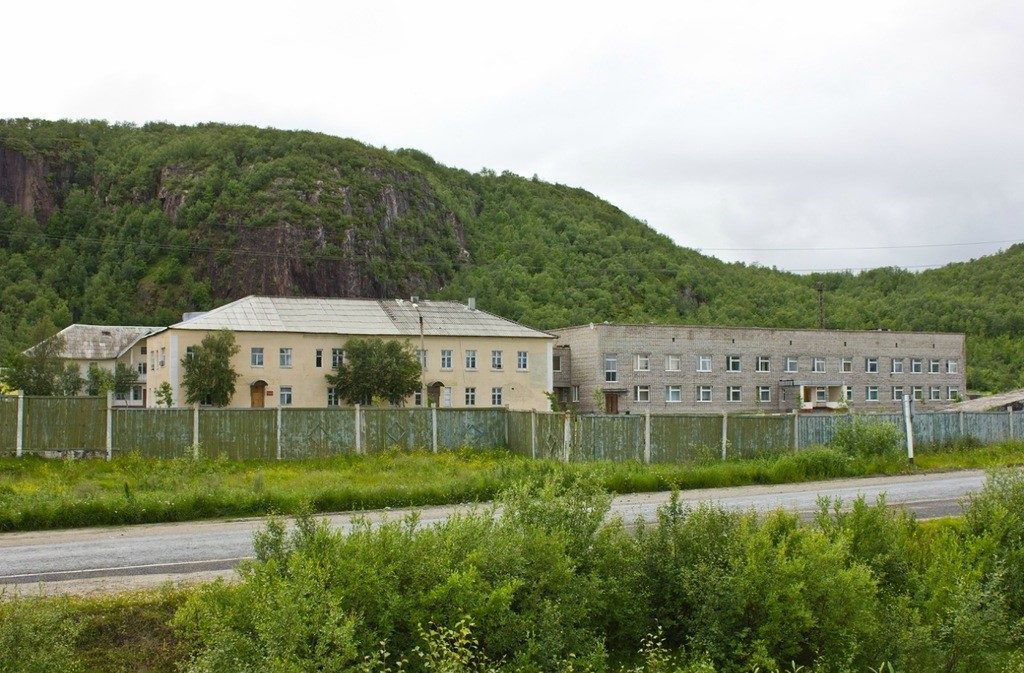
Russia is building new military bases and expanding existing ones along its northern border with NATO, according to ISW. The Institute for the Study of War (ISW) assesses that the construction likely supports future Russian force projection against the alliance. Near-term Russian ground operations remain unlikely, the think tank notes, since most Russian combat power stays committed in Ukraine.
Satellite images show construction from Norway to Kaliningrad
Broadcasters in Norway, Sweden, and Denmark, together with a Baltic news portal, published satellite findings of the buildup on 10 June. Russian forces are putting up new facilities and growing old ones near the frontiers of the Nordic and Baltic states. Intelligence officers and senior commanders in Denmark told broadcaster DR the work amounts to preparation for conflict. They see nothing indicating Moscow has actually decided on war, not least because the bulk of its army remains tied down in Ukraine.
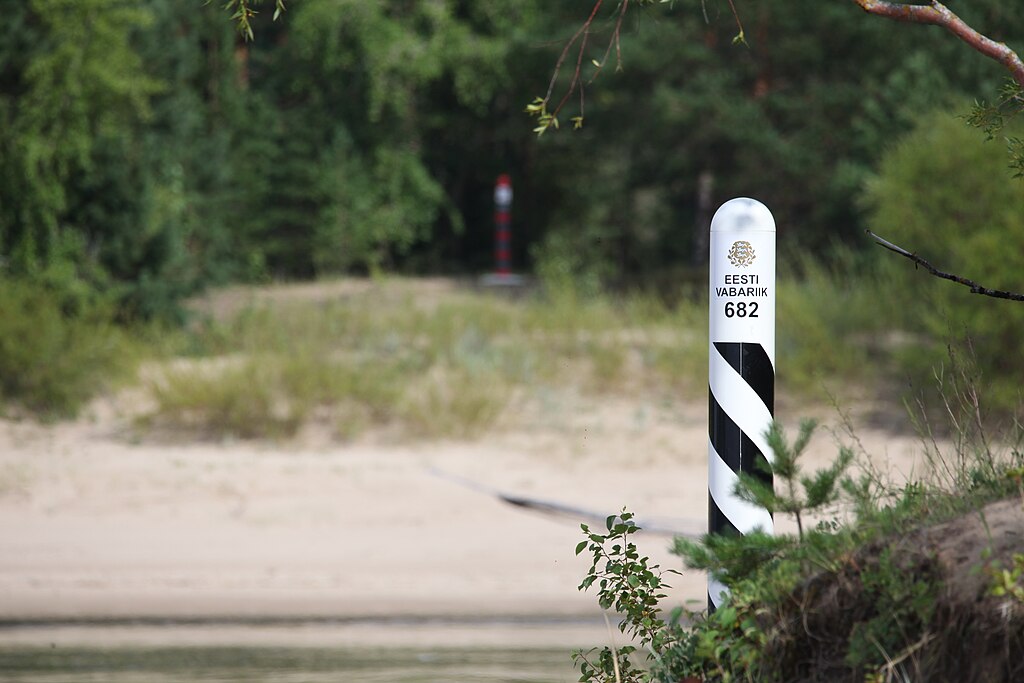
“We don’t think all of this is just for demonstration”: Russia is constructing infrastructure with potential capacity up to 115,000 personnel on NATO’s doorstep
Finland braces for 80,000 Russian troops at its border
Marko Eklund, a former Finnish intelligence officer, told DR that the Russian command plans to deploy about 115,000 troops at the northern NATO border. That deployment would come after the war in Ukraine ends. Construction has begun on a new Russian base at Novaya Vilza, outside Petrozavodsk in the Republic of Karelia. The site sits roughly 190 kilometers from Finland and will hold 4,000 to 6,000 personnel. Russia began renovating an abandoned Soviet-era garrison in Petrozavodsk earlier this year. Finland's army chief, Pasi Välimäki, expects Russia to put 80,000 soldiers on the shared border, he told Swedish broadcaster SVT.

A corps command waits in Luga as Karelia bases rise
A source covering the Russian Northern Grouping of Forces claimed Russia's command is moving parts of the 44th Army Corps, a Leningrad Military District formation, to the Republic of Karelia. Only the command post stays behind for now. Those command-post elements currently sit in Luga, Leningrad Oblast, ready to shift to Petrozavodsk once Russia finishes the bases, the source claimed.
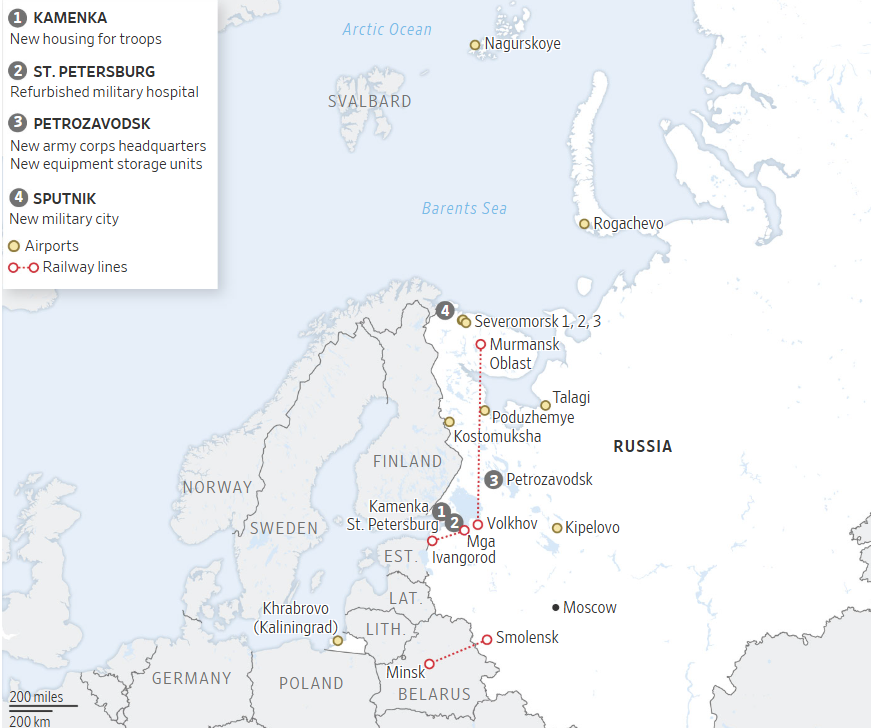
A Kremlin-affiliated Russian milblogger claimed on 11 June that crews are upgrading at least 19 barracks, along with support and storage buildings, at Pechenga on the Kola Peninsula in Murmansk Oblast. The site lies about 10 kilometers from the Norwegian border. The milblogger also claimed Baltiysk in Kaliningrad Oblast is getting a bigger naval infantry footprint, more armor, and additional landing craft.
ISW: bases serve post-war force projection
"Russia is establishing these bases to support potential future military actions against NATO, though such ground operations remain unlikely, as most of Russia's combat power is participating in operations in Ukraine," ISW says.
Once the shooting in Ukraine stops, the finished bases would shorten Russia's timeline for massing troops at NATO's frontier, ISW assesses. That leaves NATO needing the readiness to hold off — and, failing that, beat back — a Russian threat at its borders soon after combat in Ukraine stops, in ISW's assessment.