
Private members’ clubs are the new face of London heritage
Private members’ clubs have evolved from exclusive retreats for the elite has evolved into a defining force behind one of the most dynamic investment trends in London’s hospitality market: the rise of the club-hotel hybrid, says Daniel Kyriakides
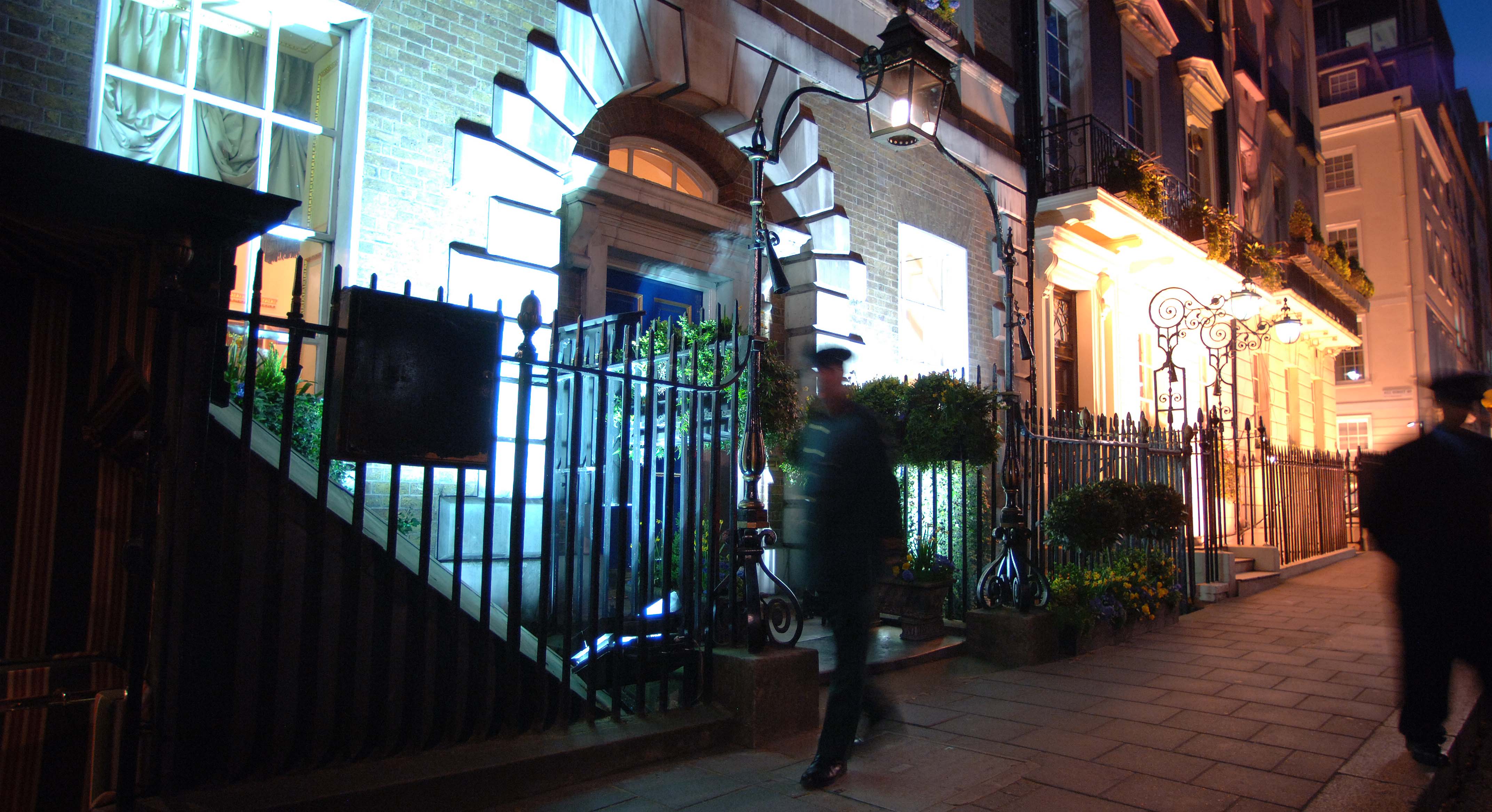
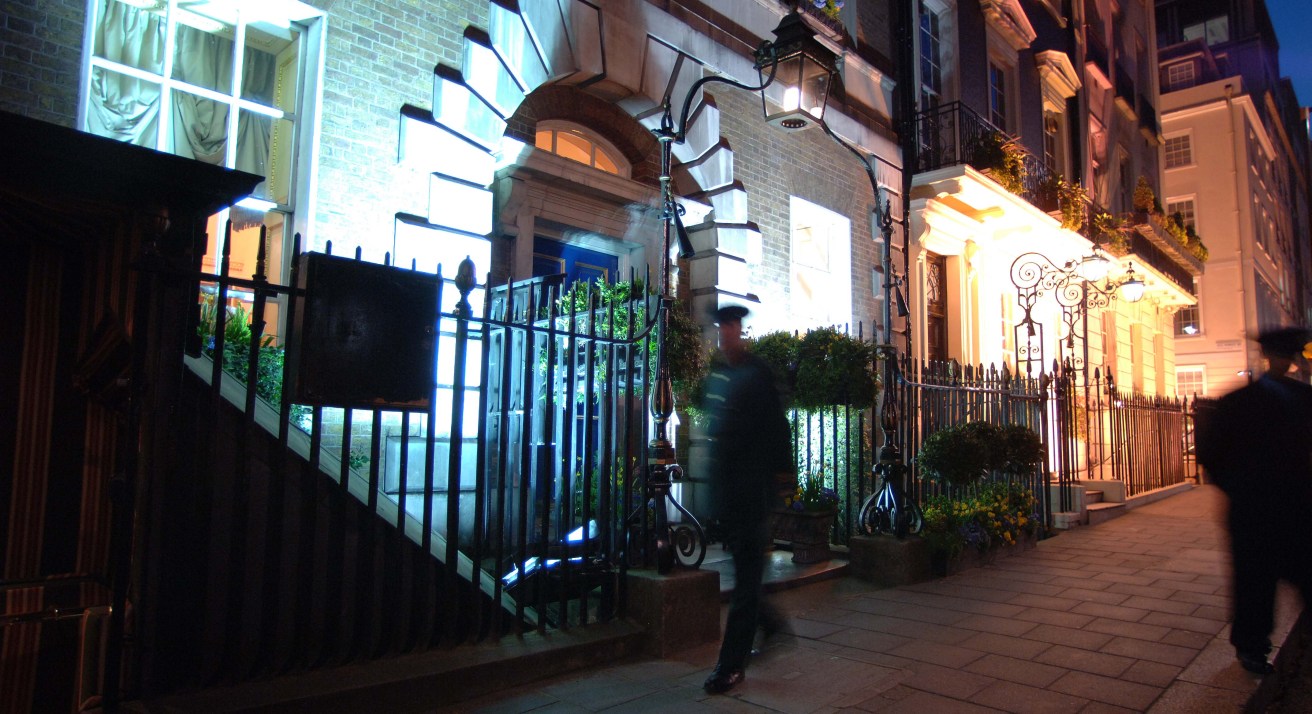
London has always excelled at reinventing its own traditions and nowhere is that clearer than in the world of private members’ clubs. The modern-day private members’ club – stylish, experiential and built around community – originates from the gentlemen’s clubs of St James’s that emerged in the 18th and 19th centuries. What began as exclusive retreats for the elite has evolved into a defining force behind one of the most dynamic investment trends in London’s hospitality market: the rise of the club-hotel hybrid.
Today’s club brands – Soho House, The Ned, The Twenty Two, Maison Estelle and others – have transformed membership into a lifestyle proposition. These venues are no longer simply places to dine or socialise; they offer flexible workspace, wellness, culture and a sense of curated belonging that aligns with how Londoners and international visitors now live and work. This unique hospitality concept has also capitalised on use of their London brands to move into the countryside retreat space, with Estelle Manor and Soho Farmhouse now being two of the most in-demand English hotels outside of London.
Additionally, even where luxury hotels are not directly linked to an established private members’ club brand, most have now locked-in to the lifestyle playbook: offering gym and spa memberships to non-guests, embedding sustainability and wellness into their brand narratives and increasingly moving into the branded-residences market. Hotels are uniquely positioned to leverage their hospitality brands, and customers have shown they are willing to pay significant premiums to live within a luxury hotel ecosystem. A great example of this is the long-awaited Whiteley redevelopment, which includes 139 unique residences as well as the world famous Six Senses hotel that will also include the Six Senses Place members’ club, offering a bar, lounge, co-working space, restaurant and wellness rooms.
The rise of the hybrid hotel-club
For hotel investors, this shift has been transformative. Hybrid hotel-club projects generate a compelling blend of recurring and high-margin income. Membership fees, restaurant and bar revenues, wellness offerings, events, co-working and private hire all contribute to a robust non-room income stream that stabilises value and smooths trading volatility. As transactional lawyers advising on hospitality investments, we increasingly see investors modelling clubs not as ancillary amenities, but as core economic engines – particularly as guests and residents look for long-term lifestyle alignment rather than short-stay convenience.
This is one reason why overseas capital – particularly from North America and the Middle East – has been gravitating toward London’s hotel market. Investors see London not only as a safe-haven real-asset environment, but also as a city where hotels are evolving into multifunctional lifestyle destinations. Private credit funds, too, have become more active lenders in the sector. The predictable subscription-based revenues of clubs, branded residences and wellness memberships create a more attractive credit profile than the traditional reliance on income from rooms alone.
Several major projects illustrate how this is shaping development. The Other House Covent Garden is blending hotel apartments with a private residents’ club complete with lounges, wellness spaces and a rooftop bar. In Mayfair, the soon-to-open Cambridge House by Auberge Resorts will pair a luxury hotel with extensive club facilities, dining concepts and spa amenities inside a restored heritage building. Meanwhile, lifestyle-driven projects such as Sir Devonshire Square in Shoreditch show how the hybrid model is expanding beyond the ultra-luxury segment.
However, the evolution toward experience-led hospitality does carry its own risks – chief among them is the substantially higher capital expenditure required to create and maintain these offerings. Generating the kind of unique, design-driven environments that today’s luxury customer expects requires significant upfront investment. And unlike traditional hotel offerings, which can retain their appeal with periodic refurbishment, lifestyle hotels and club-hybrids must continually reinvest to stay relevant. Wellness facilities, restaurant concepts, interiors and cultural programming all need frequent updating, placing ongoing demands on operators’ capital budgets.
A broader policy concern also remains, which has been led by the current UK government. Changes to the non-dom regime have raised questions about London’s long-term ability to attract the internationally mobile residents who support much of the luxury and lifestyle hospitality sector. Meanwhile the introduction of the so-called “mansion tax” on residences above the £2m value, as part of Rachel Reeves most recent budget, will most certainly impact most of the super-prime residences offered by hotel groups. While the impact is yet to be fully seen, maintaining competitiveness for global capital and high-spending visitors will be essential for sustaining momentum.
Even with these challenges, the direction of travel is clear. London invented the private members’ club; now, its modern reinvention is reshaping the economics of hotel investment. For global investors, developers and operators, the appeal of this model lies in its diversified income, improved asset resilience and ability to meet the lifestyle expectations of today’s luxury consumer. In this sense, London’s heritage has once again become one of its strongest commercial assets.
Daniel Kyriakides is a real estate partner at Reed Smith LLP, advising investors, developers and operators across the hospitality and leisure sectors