Momentum 25 and the reality of Saudi Arabia’s mega-projects
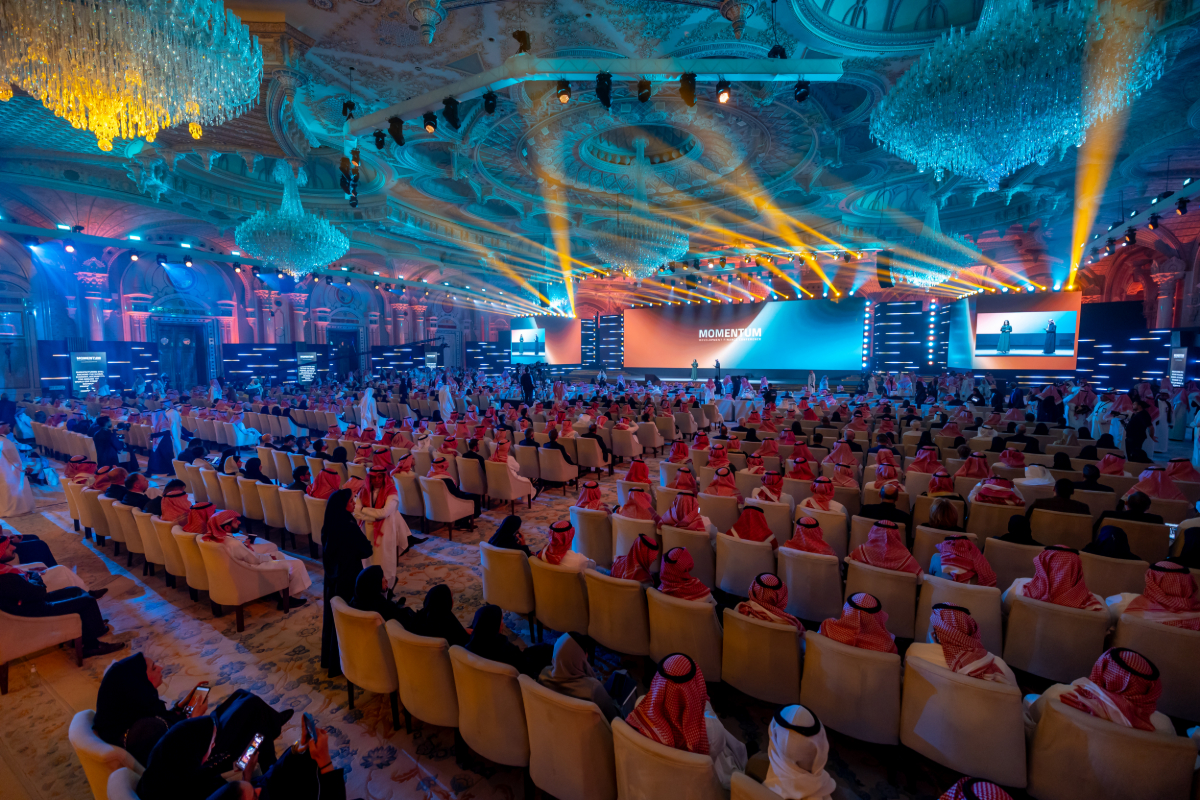
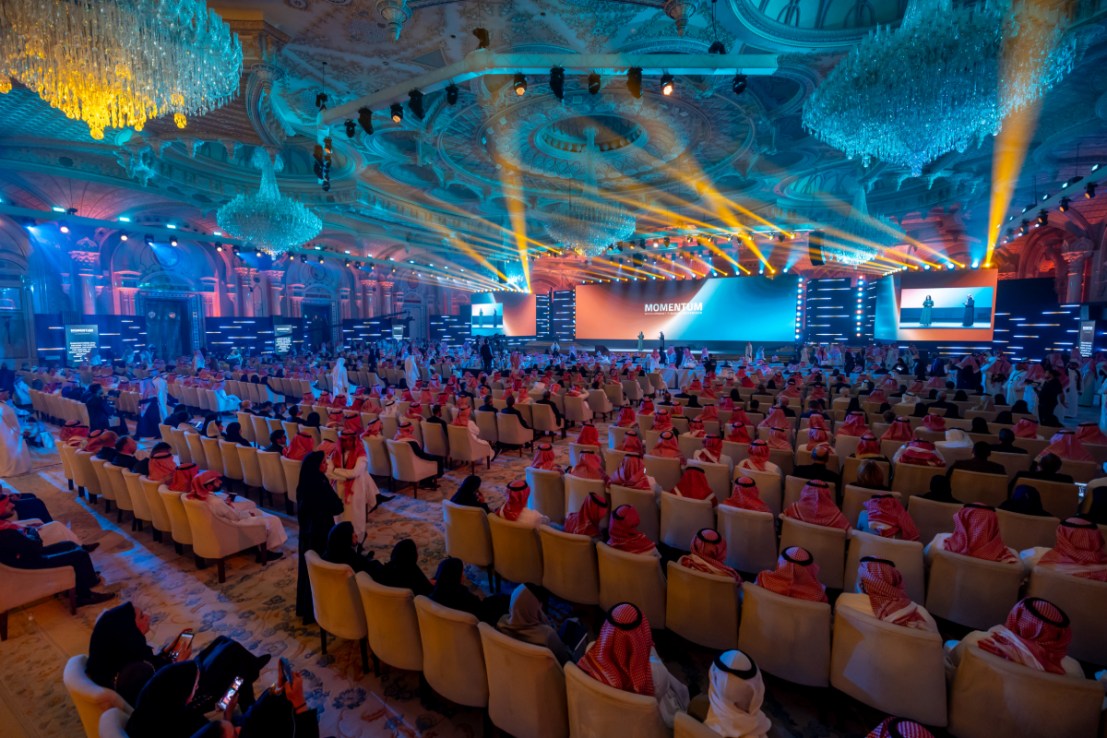
The ‘Momentum 25’ conference is taking place in Riyadh this week, at a definitive juncture for the Kingdom of Saudi Arabia. The midpoint of the Vision 2030 timeline, launched in 2016 by Crown Prince Mohammed bin Salman, to diversify the nation’s economy away from hydrocarbon dependence.
For nearly a decade, the global business community has digested plans and ambitious objectives. Now, the reality of these projects is being tested against the friction of operational execution, global economic headwinds and regional competition. While the Public Investment Fund (PIF) garners global headlines for its high-profile acquisitions in sports and technology, the National Development Fund (NDF) operates as the foundational bedrock of the domestic economy.
Momentum 25
This was evident at Momentum 25 – a Saudi event for Saudis. The event highlights the shift in the Kingdom’s economic machinery from a state-subsidised model to a sustainable Development Finance Institution (DFI) framework. The ambitious Vision 2030 targets sitting on the shoulders of the NDF include an SME contribution to GDP of 35 per cent, 150m visitors by 2030 (revised up from 100m) and Saudi Arabia’s commitment to Net Zero by 2060.
For the City of London, this transition offers a strategic opening. The NDF, which acts as the umbrella for 12 specialised funds (including agriculture, tourism, cultural development, SME’s, infrastructure and real estate), has set an ambitious target to inject over SAR 570bn ($152bn) into the economy by 2030, to triple the non-oil GDP contribution. However, the real story for UK investors is not the volume of cash, but the demand for governance, risk management and financial services that comes with this.
The projected fiscal deficit of $27bn in 2025 is a calculated risk. The Kingdom has chosen to maintain high levels of capital expenditure (CAPEX) on Vision 2030 projects – NEOM, Qiddiya, Red Sea Global – despite softer oil revenues. This places immense pressure on the NDF to optimise its spending.
Alternative financing
Every Riyal the NDF spends must generate a return greater than the cost of the sovereign debt issued to fund it. The NDF is exploring alternative financing models, such as securitising its loan portfolios or issuing green bonds, to maintain liquidity without overburdening the state treasury.
The recent partnership with State Street to develop ETFs is a precursor to deepening capital markets, allowing the NDF to eventually offload assets to private investors.
One example of this evolution is the Joint Cooperation Arrangement (JCA) signed between the Saudi Fund for Development (an NDF affiliate) and the UK’s Foreign, Commonwealth and Development Office (FCDO).
This agreement aligns British and Saudi development finance strategies, opening doors for joint funding initiatives in third markets. Furthermore, the wider ecosystem is supported by UK Export Finance (UKEF), which has established a £4-5bn market risk appetite to help British exporters win contracts on Saudi giga-projects.
The NDF’s recent moves to professionalise its operations – such as appointing Northern Trust as a custodian for SAR 60bn in assets and partnering with State Street to develop ETFs – signal a hunger for institutional-grade financial services. The Kingdom is actively seeking to ‘crowd in’ private sector participation, creating a vacuum that London’s fintech, green finance and asset management firms are uniquely positioned to fill.
Momentum 25 was wide-ranging, as you would expect given the diversity of funds sitting under NDF and no conference is complete in 2025 without some AI. Mo Gawdat of Google X was on hand to deliver a genuinely inspiring talk, followed by a panel discussion on Saudi Arabia’s march into global gaming and Esports.
As Riyadh builds the physical hardware of Vision 2030, it is looking to the City of London to provide the financial software and a sophisticated partner seeking long-term value.