Rachel Reeves is running out of places to hide
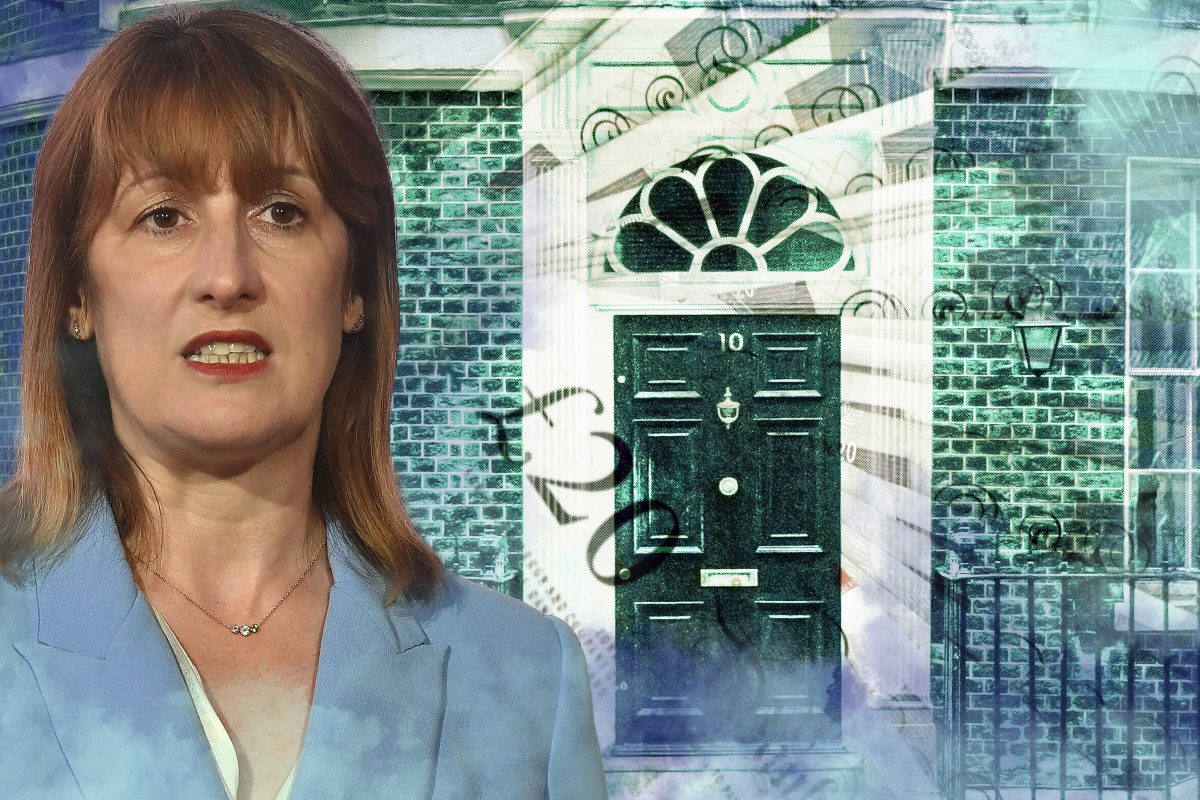
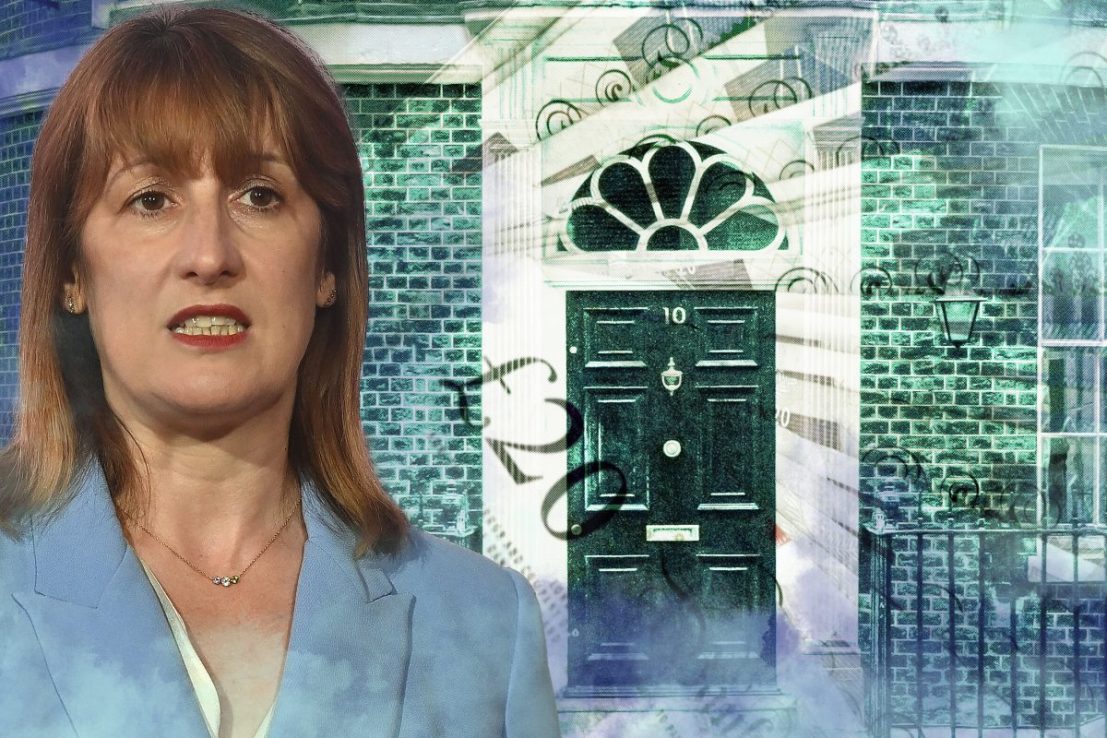
If clarity is not restored soon, both markets and the public will conclude that the disorder surrounding each fiscal event is not a passing miscommunication but a structural feature of the Chancellor’s approach, says Helen Thomas
“It didn’t exist”. “This wasn’t true”. “It was not signed off by me”. “I honestly couldn’t tell you what drove that decision”. Just some of the responses from the OBR and the Chancellor when each were questioned by Parliament’s Treasury Select Committee in their customary post-Budget testimonies. They were answers to questions about the confusion that continues to reverberate from an increasingly chaotic Budget process. Even though the Chancellor got through the day itself by laudably throwing financial markets a doubling of the fiscal headroom and chucking increased welfare benefits at her own backbenchers, we are left with the impression that the whole edifice has been built on sand. A backloaded smorgasbord of tax rises and stealth threshold freezes are supposed to pay for welfare pledges that were never core elements of the government’s policy platform. Confused? Who isn’t?
The politics is interfering with the economics. Speculation over who will replace Keir Starmer as Labour leader is becoming ever more open. Labour Together, the think tank that was instrumental in putting him into place, is now surveying Labour members on potential successors. Jason Cowley, formerly of the New Statesman, recounts MPs referring to Starmer as a “caretaker Prime Minister”. Angela Rayner speaking in the House of Commons commands more column inches than the PM chatting with Ukraine’s Zelensky. Financial markets would be remiss not to consider what the next iteration of the Labour government would look like, whether it comes within the five months ahead of the anticipated bloodbath at May’s local elections or shortly afterwards. In any case, it will almost certainly come long before the tax rises announced in the latest Budget even begin to bite.
A recent YouGov/BlondeMoney survey of Labour members asked which characteristics are most important for a leader of the Labour Party to have. The top choice was “competent”. Starmer would hope he can still lay claim to possession of this attribute but his poor personal approval ratings would seem to suggest otherwise. He might argue that, with time, he can deliver on his priorities, thus proving his capabilities. Unfortunately you only get one chance to make a first impression and many voters have long since formed theirs.
Competence
Rachel Reeves has now had three fiscal events to try to prove her competence. Yet she has already strained the spirit, if not the letter, of Labour’s manifesto commitments, raising taxes to satisfy her fiscal rules while planning gilt issuance at levels surpassed only during the pandemic. There is even some scepticism towards her measures from members of her own party. At the Treasury Select Committee hearing, fellow Labour MPs John Grady, Siobhain McDonagh and Jim Dickson asked her respectively whether the “backended” tax rises were “politically achievable” given they are slated to kick in just before and after the next general election; whether age-tiered ISA rules were fair; and whether the Chancellor had overlooked a “squeezed middle problem”. Reeves may want to move to a single fiscal event each year, but it increasingly appears the intervening months will be spent justifying the last one.
Ultimately, the government can only defer clarity for so long. Fiscal forecasts themselves are hostage to economic reality: net borrowing rises if the inflation driving public-sector pay and departmental spending outpaces the inflation boosting tax receipts. As the numbers begin to harden, the unanswered questions surrounding Reeves’ plans will sharpen into unavoidable choices. It doesn’t take an OBR forecast process for markets, let alone voters, to know if the plan is working. Markets will see it in the data and the public will see it in their pockets.
For all the noise around competence, credibility and fiscal rectitude, the unavoidable truth is that this government is running out of places to hide. Each successive fiscal event has been framed as the moment the numbers will finally add up, only for the OBR to reveal yet another round of creative gymnastics tucked within the fine print. The longer this persists, the more credibility drains away. Investors can forgive political theatre, but they are far less tolerant of opacity, particularly when gilt supply is swelling and policies depend more on internal power plays than economic necessity.
The political vacuum at the top of Labour accelerates this distortion. When ministers speak, the shadow of their potential successors looms behind every sentence. Decisions begin to look less like the product of a coherent doctrine and more like placeholders intended to survive until the next reshuffle. A government preoccupied with its own succession cannot deliver the stability it promised. If clarity is not restored soon, both markets and the public will conclude that the disorder surrounding each fiscal event is not a passing miscommunication but a structural feature of this government’s approach.
Helen Thomas is founder and CEO of Blonde Money