Germany scrambles to unlock €165bn in frozen Russian assets for Ukraine
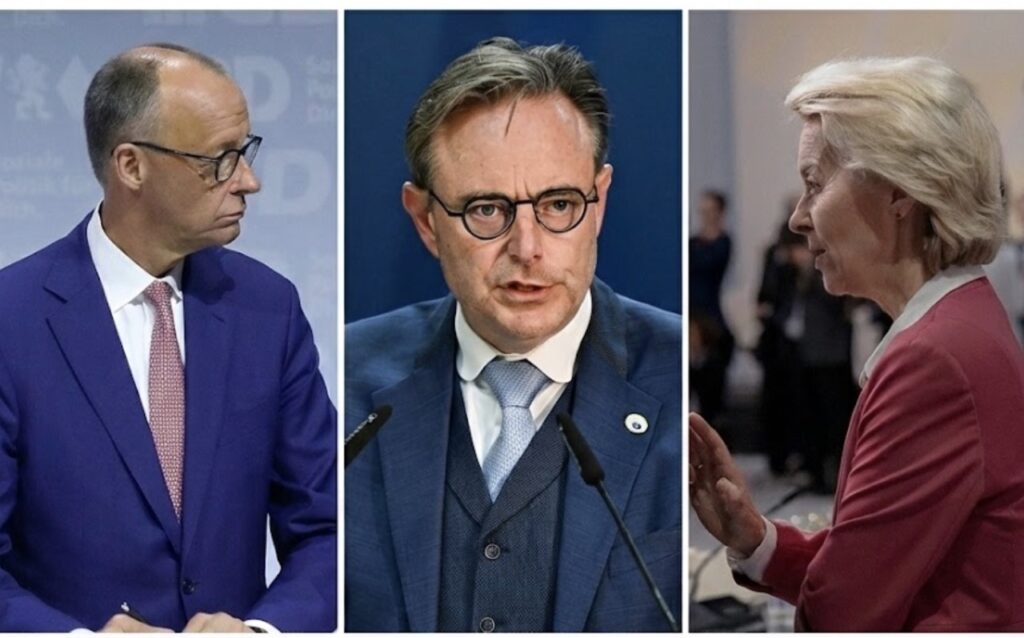

German Chancellor Friedrich Merz flew to Brussels on Friday to pressure Belgium into backing a €165bn loan for Ukraine backed by frozen Russian central bank assets, according to Bloomberg. He was joined by European Commission President Ursula von der Leyen for private talks with Belgian Prime Minister Bart De Wever.
The stakes couldn't be higher. Ukraine's reserves are expected to run low by April, and without this money, EU member states would have to cover Kyiv's shortfall with taxpayer funds. The 18 December summit — the bloc's last of the year — is shaping up as the make-or-break moment. EU leaders deferred the decision from October specifically to give the Commission time to address Belgian concerns. That window closes in two weeks.
Why Belgium holds the key
Most of the €210bn in immobilized Russian assets sit at Euroclear, a financial depository in Brussels. That's made De Wever the most formidable obstacle to the plan.
The Belgian prime minister has slammed the proposal as "fundamentally wrong," warning it could expose Belgium to multi-billion-euro lawsuits if Russia retaliates. "This country should not be asked to do the impossible," he told parliament Thursday.
Von der Leyen unveiled legal texts this week to establish the reparations loan and begin payments in Q2 2026. She offered "sweeping guarantees" to protect both Belgium and Euroclear, with risks shared collectively across member states. De Wever wasn't convinced. "This proposal cannot count on the approval of our government," he said.
Merz pushes back on Washington
The German chancellor also took aim at Washington. Reports emerged that the US lobbied EU countries against the plan, arguing frozen assets should be preserved for a future peace deal rather than used to support Ukraine's war effort.
Merz pushed back firmly. "This is a European matter," he told reporters in Berlin. "The money must flow to Ukraine and be used to support Ukraine." He added: "If we are serious about this, we cannot leave it to non-European states to decide what happens to the financial resources of an aggressor state."
Merz said he aims not to "persuade" De Wever, "but convince him that the path we are proposing is the right one." If the loan goes through, Merz said, it could sustain Ukraine "possibly over the next two or three years."
Approval requires only a qualified majority, meaning Hungary and Slovakia's expected opposition wouldn't automatically kill the plan. But without Belgium, the scheme collapses — the assets are on Belgian soil.
Ground for optimism? Yes, but barely. Germany's intense diplomatic push shows European leaders understand what's at stake. Whether they can close the deal in two weeks is another question.