EU leaders agree to renew Russia sanctions for a full year for the first time as Bulgaria’s pro-Russian leader vows to veto the next batch
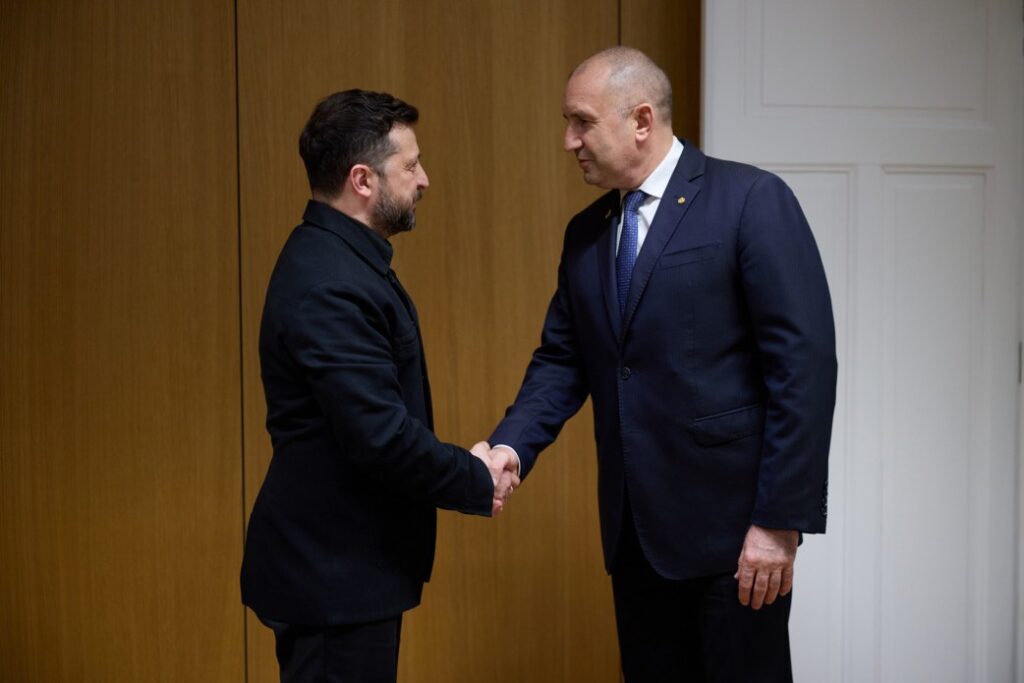

The leaders of the EU's member states have agreed to keep their sanctions on Russia in place for a full year rather than the usual six months, according to Reuters and Euronews. The decision, taken at a Brussels summit on 18 June, marks the first time the bloc has stretched the rollover that long. Yet a pro-Russian Bulgarian PM is already threatening to block the EU's next round of measures.
A year instead of six months
The bloc's national leaders renewed the economic sanctions for 12 months at the Brussels summit on 18 June. The measures hit certain sectors of the Russian economy and had always been rolled over every six months. That short cycle handed any single member a regular chance to bargain or threaten a veto. The rollover is the first stretched to a full year. The 27 leaders also backed joint conclusions on Ukraine, the first such agreement since March 2025, when Hungary balked.
Bulgaria threatens the next package
Bulgaria's prime minister, Rumen Radev, vowed to veto the EU's next sanctions package on Russia. He said it could hurt Bulgaria's economy and pointed to the risk to Lukoil, the Russian oil company that runs the country's only refinery at Burgas. Radev wants Lukoil struck from the list. He also cited possible disruptions to Sofia Metro spare parts and fertilizer supplies. Reuters describes him as a pro-Russian eurosceptic who won April's parliamentary election.
Objection over a Russian bishop
Radev also opposes sanctions on a bishop of the Russian Orthodox Church. He argued the war should not reach into religion after spreading to culture and sports.
"In what way have these sanctions so far stopped the war?" he asked.
Still, Radev said Bulgaria would not block the EU's broader decisions on Ukraine and backs its accession talks.
The packages behind the threat
The next round, the EU's 21st package, would bar Russian soldiers from the bloc and add 30 more tankers to its shadow-fleet blacklist, alongside new curbs on Russian banks and the defense industry. The EU has imposed 20 packages since it first sanctioned Russia in 2014 over Crimea, with the twentieth lifting the tanker list to 632 ships. Brussels gained room for the new measures after Hungary's government unblocked steps its predecessor had stalled. Days earlier, on 15 June, the EU expanded its list with 34 individuals and 47 entities.