
Zia Yusuf: Reform government would partially nationalise Rolls-Royce
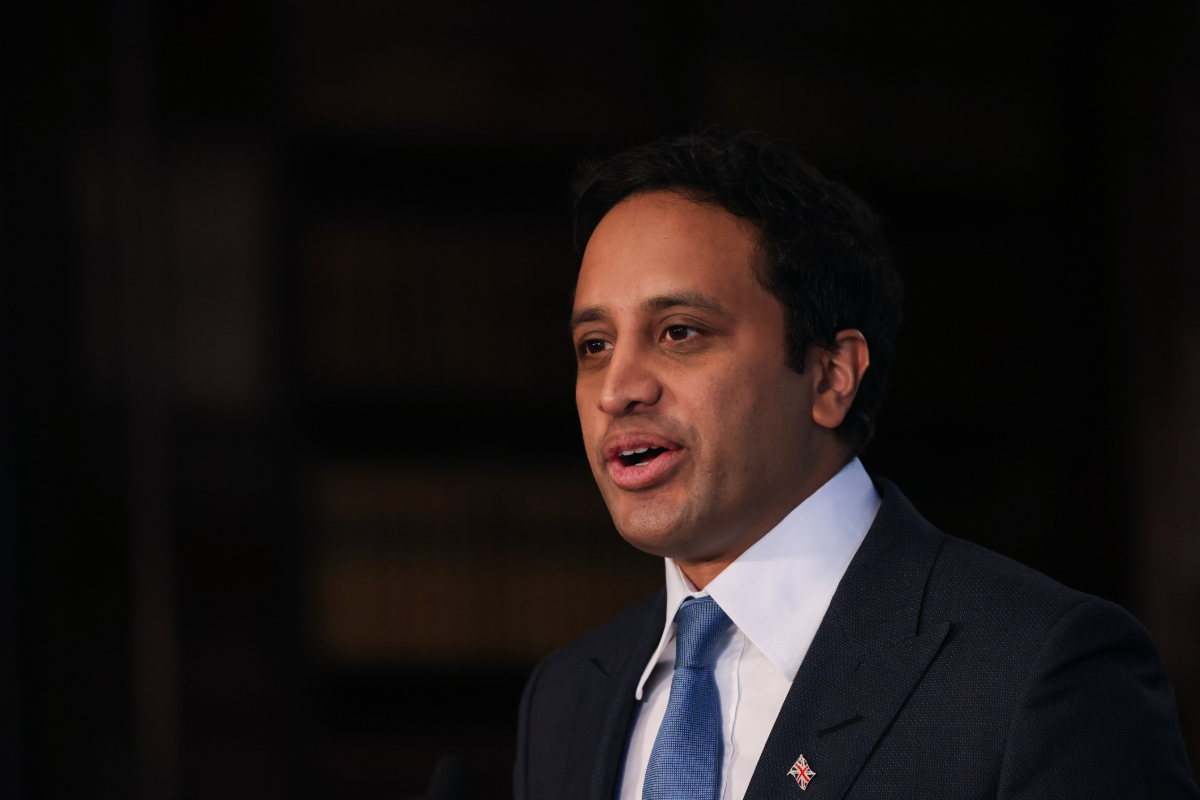
A Reform government would partially nationalise Rolls-Royce as a quid pro quo for helping it ramp up its small modular reactor (SMR) nuclear programme “as fast as it possibly can”, its policy chief has said.
In a wide-ranging interview setting out his party’s plans for the UK economy, Zia Yusuf told City AM that Reform would actively “accelerate our national champions”, taking inspiration from Donald Trump’s decision to buy a stake in US chipmaker Intel.
“What we would do, is say, ‘Rolls-Royce, we’re going to give you a huge contract for this British stuff [SMR tenders in the UK] and we will front-load you capital so that you have certainty that it’s going to happen,'” he said, adding: “And by the way, if we were to give them priority access to the British market with a massive contract, maybe the British taxpayer should be given a stake in the company.”
Rolls-Royce is poised to become one of the world’s leading producers of SMRs, an untested technology that promises to produce nuclear power stations in factories before installing them in cookie-cutter-like sites. The government confirmed last month that the UK’s first ever plants – a group of three to be built on an island in north Wales – would be produced by the FTSE 100 engineering giant.
Yusuf said Reform would roll out SMRs “at an unprecedented rate” in a bid to meet the UK’s energy affordability crisis. Under the proposal, the party would hand Rolls-Royce capital up front, while also ensuring that regulation and policy is set in a way that ensures the technology can meet its potential.
It would then appoint Britain’s Foreign and Commonwealth offices to showcase the company around the world and host events at Buckingham Palace in a manner similar to Trump’s aggrandisement of Big Tech.
“We are going to ask Rolls-Royce to ramp up production capacity as fast as they possibly can, and we would ensure that the regulator framework allows them to do it,” he said. “And we would give them financial to make sure it was worth their while.”
“At that point we are accelerating a British national champion, and… if we were to give them that priority access to the UK market on good terms, then obviously a negotiation would need to be had [to hand the taxpayer a stake],” he added. “But I think you could make a very reasonable case that for Rolls-Royce it would be an extremely attractive deal.”
Stamp duty on shares to be scrapped on top of Rolls-Royce move
The move is evocative of Donald Trump’s recent decision to take a 10 per cent stake in struggling technology giant Intel. In August, the firm confirmed the US government made an $8.9bn investment in Intel’s stock in a move it said “demonstrated the confidence the administration has in Intel to advance key national priorities.”
Unlike the US-Intel deal, Reform’s would take a contra structure, whereby the taxpayer would be handed a stake, potentially through a capital raise, in return for both tacit and financial state support.
Another parallel between Trump and Reform’s industrial approach has been steel. The US President has taken out a ‘golden share’ in America’s largest steelmaker, US Steel, as a condition of its sale to Japan’s Nippon Steel. Meanwhile, Farage’s Reform UK was the first major party to endorse the nationalisation of British Steel before the government took it into public control in June.
Yusuf said Reform would not seek to anoint corporate successes and failures generally, telling City AM the plan for Rolls-Royce did not constitute “picking a winner, it’s accelerating a national champion”.
The policy chief also confirmed Reform UK would abolish stamp duty on shares – a 0.5 per cent tax applied on the purchase of all London-listed equities – in a bid to make Britain “one of the most attractive places to… list a business.”
Additionally, the poll-topping party would look to pare back the role of financial regulators, including the Bank of England. Yusuf confirmed the central bank would still set interest rates entirely independently under a Reform government, but added that any future quantitative easing and tightening decisions – and other areas in its remit like stablecoins – would be subject to parliamentary scrutiny, and even votes.
Rolls-Royce declined to comment.