World Cup: The rise of the armchair fan and why it matters
The row over the 2026 World Cup ticket prices is as predictable as a plucky, late-stage English exit. But the eyewatering price tags are only part of the story.
Without going into the economic principle of supply versus demand (the tickets will still sell out, in my opinion), I thought it was more interesting to look at how fans are determining the value of the armchair versus the stadium.
Until recently, being an armchair fan carried a faint sense of shame. The real supporter made the effort. They travelled, stood, got soaked and spent a lot of their cash to do so (trains, petrol, tickets). Watching at home was what you did when tickets were gone, you couldn’t afford it, you were labelled a ‘plastic’ or life intervened. That’s no longer the case.
The modern broadcast product is worth staying at home for. Ultra high-definition pictures, innovative camera angles, real-time tactical analysis and largely expert punditry mean fans see more of the game than ever before.
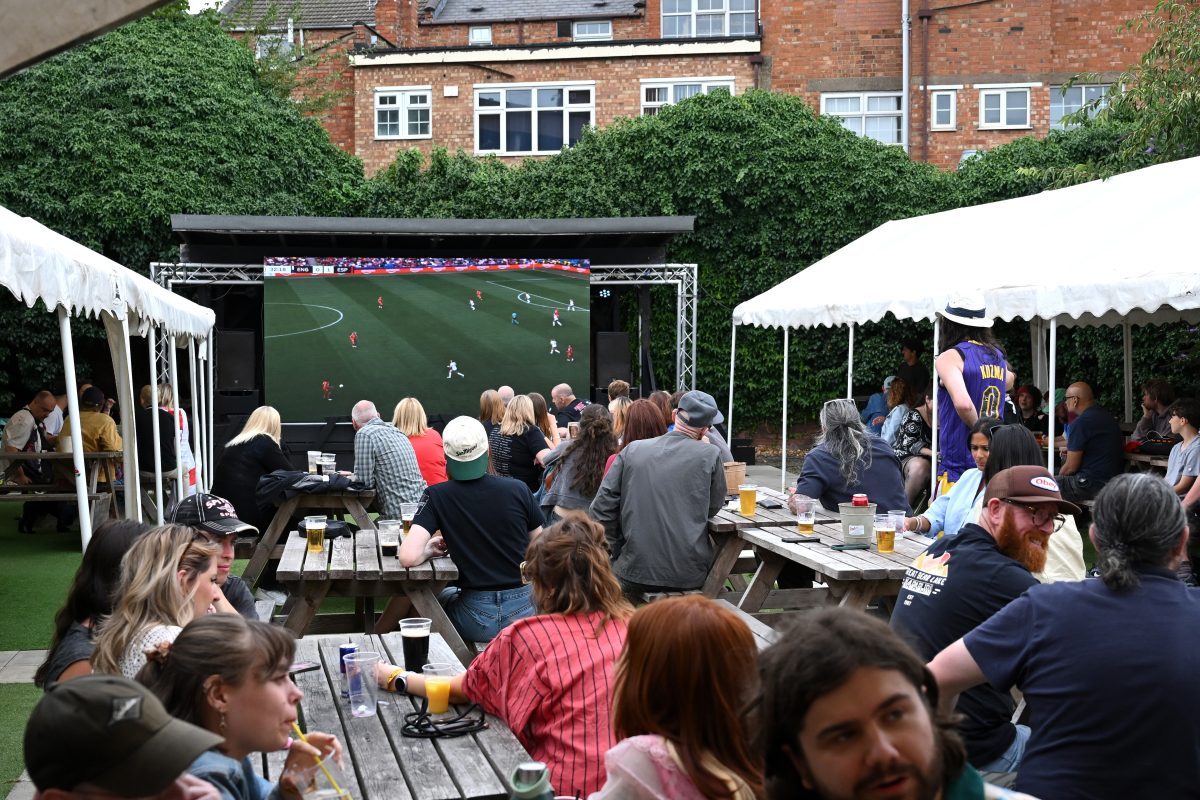
Add WhatsApp groups, fantasy games, social media, gambling availability, reaction podcasts, watchalongs and instant highlights, and watching from home or the pub has become a genuinely social experience, just expressed differently.
World Cup fine margins
In some sports, it is also the only way to properly appreciate the finest margins, whether that’s ball tracking in cricket or shot-by-shot coverage in golf.
Home wins on insight and convenience. The pub sits in the sweet spot, consistently delivering atmosphere and social connection without the cost or commitment of the stadium. That leaves matchday venues with the important job of justifying the effort, price and friction of being there.
So how can the stadium win?
One route, and one we’ll see at next summer’s World Cup, is new and redeveloped venues leaning heavily into premiumisation. That means more hospitality, lounges and high-value seats, which makes sense commercially too.
Another shift, rising through things like the FootyScran phenomenon, is the growing importance of food and drink as part of the matchday experience. Whether that’s beer robots, locally sourced street food, at-seat service or residencies from local suppliers, stadiums are now competing with the convenience fans can get at home.
And finally, diversification. Some organisations are already adjusting, while some have nailed it and are reaping the benefits. A recent stag-do saw me land at Belgian club KV Mechelen, who turn their stands into a nightclub after the game, which is a genuine 10/10. And there are other success stories closer to home — just ask my Insta algorithm.
Armchair vs live
This World Cup arrives at a moment when fans are being asked to pay record sums to attend matches, and when the alternative is so good at a fraction of the cost (the price of which is a debate for another day), attendance becomes a harder sell. Atmosphere still matters, but it is no longer enough on its own.
Simply charging more for being there leans on ritual rather than motivation. Fans now weigh the experience more critically, a bit of a step change for a consumer profile that has been hard-wired over decades to repeat-buy a product regardless of its quality.
The opportunity sits with those rights holders, and the brands that help create these moments, who take this seriously. Live sport has to offer things that screens cannot, such as access, shared social experiences, seamless logistics and belonging.
The World Cup ticket debate should not fade once the tournament is done, as it reflects a real change in behaviour and expectation.
Broadcast has professionalised live sport. Now the product that makes it such a great watch needs to evolve.
Joe Burdon is director of sport at PR agency The Romans.