
‘Wild West’ peptide craze surges beyond GLP-1s as FDA faces pressure to ease access
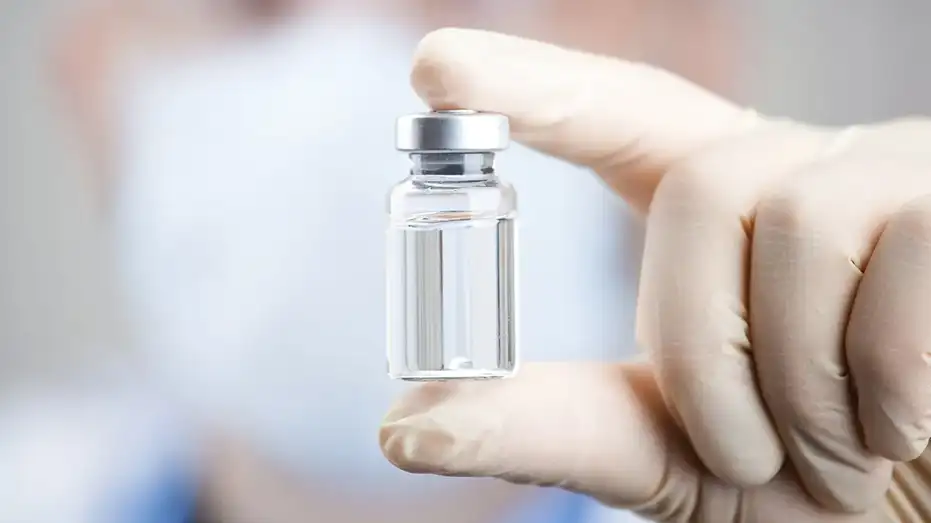
As GLP-1 weight-loss medications gain traction, the peptide market is experiencing a surge in interest.
A variety of peptides — commonly marketed for weight loss, muscle building, injury recovery and other uses — have emerged as largely unregulated drugs sold through both licensed compounding pharmacies and unverified vendors.
The U.S. Food and Drug Administration is set to evaluate whether to loosen regulations on several peptides during a meeting this summer.
THINKING ABOUT PEPTIDES? DOCTORS REVEAL KEY DOS AND DON’TS AS ‘WILD WEST’ MARKET GROWS
Peptides are short chains of amino acids — the building blocks of proteins — that play key roles in biological functions, according to the National Institutes of Health. Peptide drugs are lab-made versions of natural molecules in the body that are designed to mimic or influence biological signals to treat disease, experts say.
Though the peptide market has been described as the "Wild West," demand remains strong, potentially challenging pharmaceutical giants that dominate the GLP-1 market.
Dr. Alex Tatem, an Indiana-based board-certified urologist with expertise in men’s health and peptides, discussed how "life-changing" GLP-1s kicked off the rise of peptides.
"They are incredibly effective at what they do when it comes to changing body composition, benefiting metabolic health, cardiovascular health [and] neurologic health," he said. "These are truly miracle compounds, and as a result we've seen an explosion of interest – not just on the pharmaceutical side or the doctor’s side, but from the general public."
According to Tatem, the challenge is that nearly all commercial GLP-1 products are administered in a single-dose weekly pen, which works for the "overwhelmingly majority" of patients, but not for everyone.
OZEMPIC ‘MICRODOSING’ IS THE NEW WEIGHT-LOSS TREND: SHOULD YOU TRY IT?
"There are patients I can prescribe tirzepatide to and they can do OK with a once-a-week [dose], but they end up developing nausea with that initial injection – and then by the end of the week, they're hungry again."
Because some patients respond better to smaller, more frequent doses — an option not offered by commercial drugs — compounding, or the customization of medications, has grown in popularity, Tatem said.
"We've had compounding pharmacies that have now developed compounded versions of semaglutide and tirzepatide that allow that sort of dosing flexibility," he said.
"The reason compounders had to do this was because there was so much demand for GLP-1s that there was actually a national shortage."
Current legislation allows compounders to step in during widespread national shortages, according to Tatem, prompting the industry to invest millions of dollars into developing and manufacturing these drugs.
PEPTIDES MAY SOON BE EASIER TO GET AMID RFK JR.'S PUSH, BUT EXPERTS WARN OF RISKS
Once commercial pharmaceutical companies could catch back up, compounders continued making these medications in smaller batches for custom doses, allowing for more patient accessibility.
"That creates a huge clash between commercial pharmaceutical companies and compounders, because commercial pharmaceutical companies view that as an infringement of their property," Tatem noted.
Tatem raised concerns about the FDA’s regulation of compounding pharmacies, warning that it could limit patients’ access to customized medications.
"That is a real concern for clinicians like me who really care more about patient access, making sure we can get the right medication to the right patients at the right time," he said.
RFK JR. BACKS EASIER PEPTIDE ACCESS FOR WELLNESS AS DOCTORS RAISE RED FLAGS
Some peptides have been widely administered for more than a decade without major health complications like toxicity or cancer, according to Tatem.
"These are compounds that haven't gone through the full FDA approval process that you would normally see for a commercial drug, [yet] we didn't see anything adverse," he said.
In September 2023, the FDA "quietly" tightened regulation of 19 peptides, making them illegal to manufacture and cutting off patient access.
"They seemed to be working and seemed to be efficacious for patients, and all of a sudden they were banned, which inadvertently ended up contributing to this surge in interest," Tatem said. "We kind of saw the same thing happen with peptides that we saw with prohibition."
CLICK HERE FOR MORE HEALTH STORIES
While the rising popularity of GLP-1 drugs has fueled growing public and regulatory interest in peptides, most of the so-called "trendy" peptides still are not available by prescription, according to Tatem.
They may help with injury recovery, skin rejuvenation, sleep improvements and boosting of natural growth hormones, he said.
CLICK HERE TO SIGN UP FOR OUR HEALTH NEWSLETTER
"These were all medications that were designed to help people live well and live as healthy as possible," the doctor told Fox News Digital. "And in reality, that was also their downfall in the American healthcare system, because if you are going to get a drug approved and to market, it has to treat a disease state."
Tatem confirmed that he’s seen a shift in patients confronting more than just baseline ailments, seeking advice on how to feel their best through new modes like testosterone therapy.
"The desire to function at our highest level is something that we all feel," he said.
While nothing replaces the fundamentals — getting eight hours of sleep, eating a high-protein diet and maintaining a fitness routine that blends resistance training and cardio — Tatem said individualized treatments such as peptides may help support those healthy habits.
TEST YOURSELF WITH OUR LATEST LIFESTYLE QUIZ
"If you end up pulling a tendon or pulling a hamstring, and you're just now starting to get some momentum in the gym, that’s really where peptides start to step in," he added.
Experts advise consumers to avoid gray-market products, to work only with qualified physicians and reputable pharmacies, and to treat peptides as part of a broader health plan — not a shortcut or risk-free supplement.
Fox News Digital reached out to the FDA, Eli Lilly and Novo Nordisk for comment.