Why Williams sisters return to SW19 is a win for Wimbledon brand
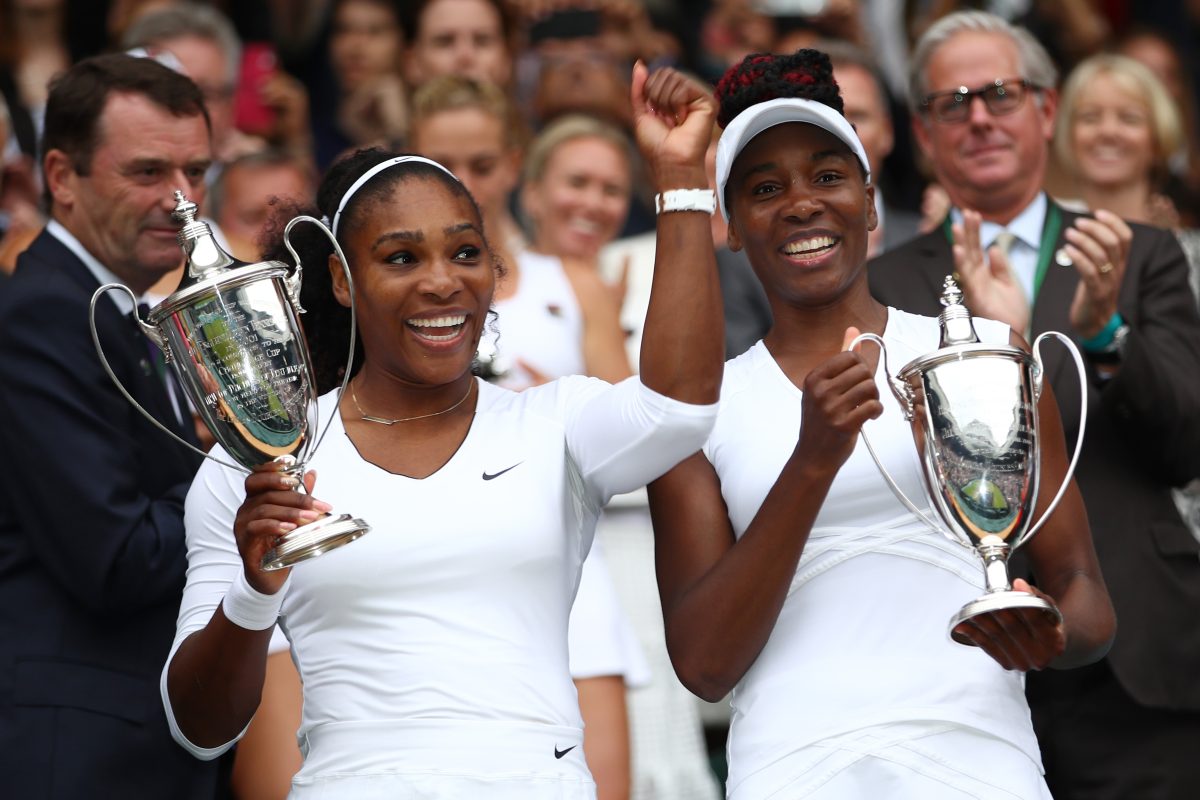
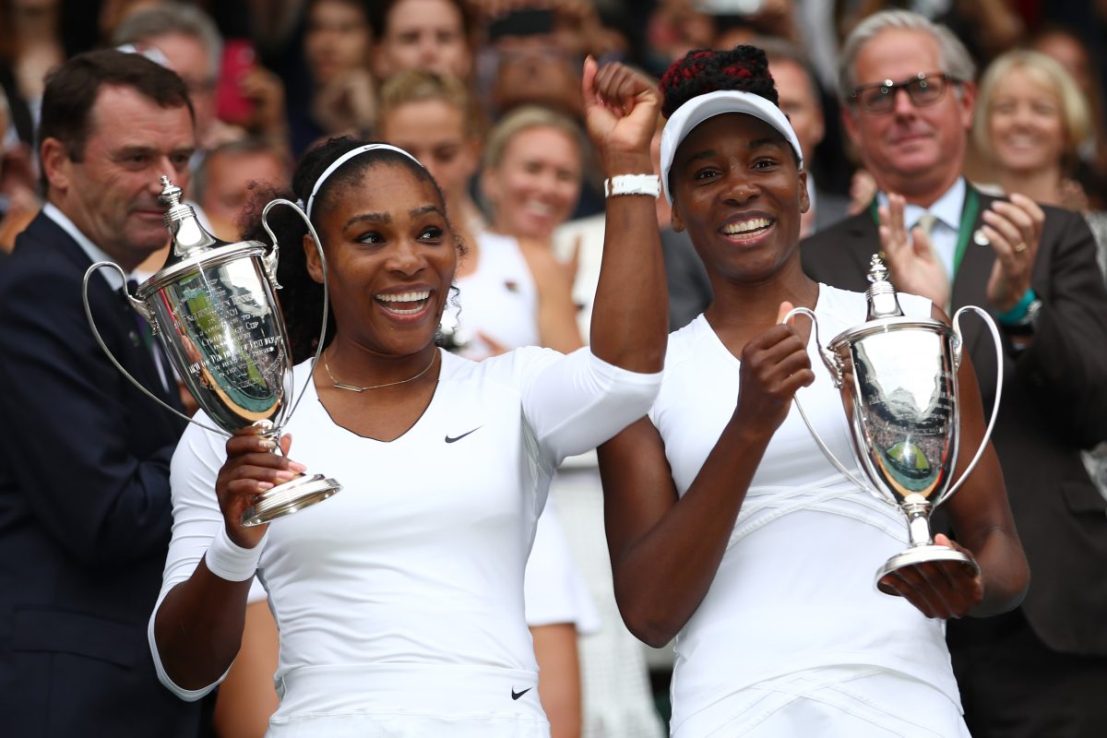
Sarah Hartwell explains why the return of the Williams Sisters to Wimbledon is already a win
Competition for the sport headlines is fierce in a World Cup summer, but the news that the Williams sisters will be returning to play in the doubles this year at Wimbledon temporarily took eyes off the football. But why? Not because it was bigger news, but because it was a better story. The biggest moments are no longer created by competition alone, but by the stories, symbols and cultural memory wrapped around it.
The transition of sport from competition to entertainment has been a few years in the making. Look at the growth of those following F1 or AFC Wrexham through the docu-series, Drive to Survive and Road to Wrexham. What people are engaging with is stories first, sport and competition second. The Williams sisters playing women’s doubles at Wimbledon in 2026 is a live case study of this. In their prime, either of the sisters playing in Wimbledon was not news; however, now with the added narrative of two greats joining together to return to the stage they helped redefine, people are hooked, invested in a part of the Championships that was traditionally sidelined for the singles competitions.
Williams sisters are the narrative
The siblings are the characters in this story, and Wimbledon is the perfect setting. It’s not only where they built their sporting legacy: six Wimbledon doubles titles together, the last in 2016, and 19 singles titles between them. But also, one of the few sporting events that operates as a cultural calendar moment with its rituals, iconography and celebrity draw. They will be playing out their next, and possibly final chapter on the most glamorous of stages.
So, what does injecting this narrative into the women’s doubles do? In the short term, sharp, concentrated spikes in attention. The Williams’ games will dwarf the rest of the competition for viewing figures, social media reach and crowd numbers. We saw this in 2024 with Andy Murray playing his doubles games on Centre Court in the early rounds. Whether this attention can sustain once they are eliminated and the story ends is the challenge.
The long-standing visibility issues of women’s doubles won’t be fixed through one wildcard pick, the narrative is very much the Williams at the moment, as opposed to women’s doubles as a collective. However, this story that millions of new viewers will buy into can be continued if played right. Serena’s Queen’s appearance with Victoria Mboko gave a taste of how it could be achieved. It was a passing-the-torch moment. One of the defining athletes of the modern era shares a court with a rising young player. The gap between legacy and the future was bridged in real time. That is a more interesting commercial narrative than a simple comeback.
Sport as entertainment
Brands are increasingly viewing sport as an entertainment platform, and relevance beats performance in that economy. What Serena and Venus represent: excellence, resilience, family, disruption and longevity is what brands care about. Not that performance doesn’t matter. The further into the competition they go, the more the story builds, attention multiplies and sharpens campaigns. And athletes of their calibre aren’t there for show; they entered with confidence and a desire to compete. But the commercial value of this return does not depend entirely on them reaching the final weekend.
The Williams sisters have, in many ways, already won. Without even stepping on the court. They have demonstrated that even past their sporting prime, they are still cultural institutions that can re-enter the conversation at any time. Becoming one of the main commercial draws overnight. The competition creates the stage, but it is cultural capital, more so than performance, which dictates who owns it.
Sarah Hartwell is Executive Director at sport entertainment agency 50 Sport