
Why journalists and bloggers covering Eastern Europe need stronger digital security on their devices
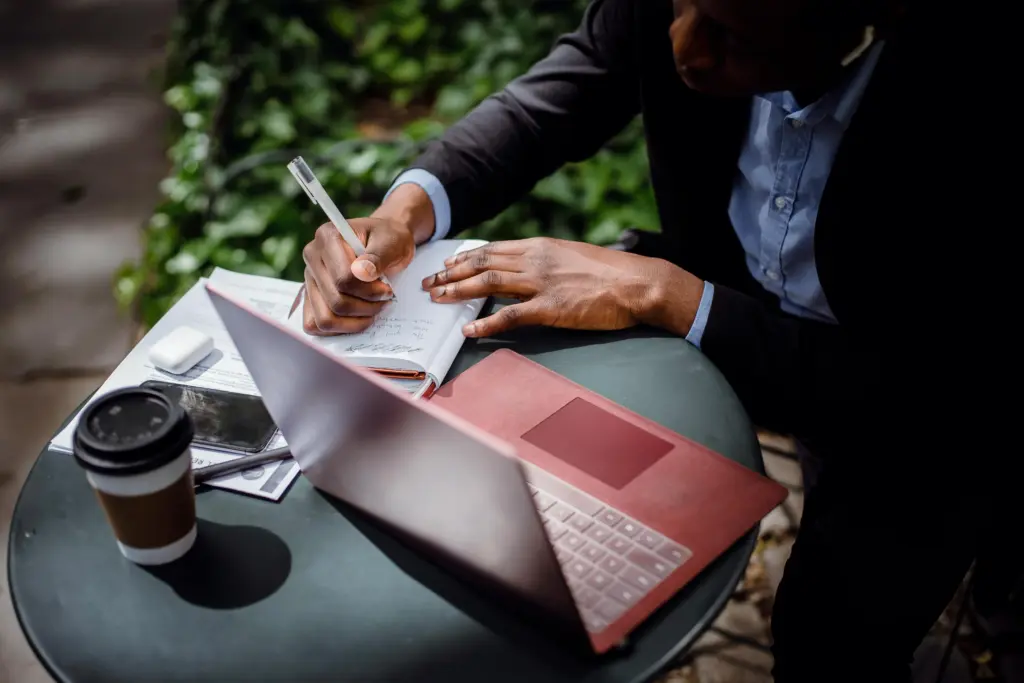

Independent journalists and bloggers covering Eastern Europe don’t work in traditional newsroom environments. They do the interviews remotely and maintain sensitive communication from temporary locations. For many contributors, their personal laptops became mobile newsrooms that contain unpublished drafts, contact databases, recordings, credentials, and archived reporting materials.
This changes the way reporters approach digital exposure. Even small security gaps, such as synced folders or unencrypted backups, are risky when the device regularly moves between locations and networks.
Online privacy and security issues aren’t limited to large investigative outlets. Regional bloggers, documentary researchers, freelance correspondents, and independent contributors don’t have dedicated IT departments and institutional cybersecurity support behind them. The reporters themselves are responsible for protecting sources, communication, and unfinished work.
Cross-board reporting creates digital risks
Journalists covering Eastern Europe move between countries and temporary accommodations. They regularly connect their laptops to hotel Wi-Fi networks and airport Internet access points, which may not provide the same level of protection they normally get.
Travel itself increases exposure. The reporter may carry unpublished interviews, contact details, recordings, and archived communication. Even simple issues like saved browser sessions and visible notifications can leak sensitive information. Device-level security is essential. It includes encrypted backups, stricter login settings, and regularly updated software. Discussions around a proper antivirus for your Mac became common among freelancers who store communication and reporting materials on personal laptops.
Independent contributors have to handle these precautions individually. That makes their security habits especially important.
The security challenges of public service media and independent journalists
Large media organizations protect devices with internal cybersecurity teams and secure communication protocols. They also have planned response procedures for compromised accounts. Independent journalists don’t have that background.
The difference is significant during collaborative investigations and cross-border reporting. Such projects handle sensitive files, interview materials, and internal communications.
European institutions placed greater attention on cybersecurity standards over the recent years. The revised EU Cybersecurity Act from 2026 established a broader framework for cybersecurity certification and digital resilience across sectors, including organizations that manage sensitive information and public communication infrastructure.
Cybersecurity concerns are especially relevant for independent outlets that balance transparency, source protection, and fast-moving reporting workflows without the technical resources available to larger international newsrooms.
How everyday reporting work creates security gaps
Journalists covering Eastern Europe use the same devices for communication, research, publishing, travel logistics, and personal accounts. This leads to situations where sensitive reporting materials coexist with daily digital activity. A laptop that stores interview recordings may also stay logged into personal email accounts, messaging apps, airline bookings, cloud storage, and social media.
Sophisticated hacking is not the only risk. Many exposures happen through ordinary reporting routines. The reporter may open attachments while working from hotel Wi-Fi, and leave message previews visible during interviews. They may upload drafts through unsecured public networks while travelling between assignments. Shared cloud folders can also expose unpublished files to additional accounts without the journalist fully realizing it.
Freelance reporters and bloggers are especially vulnerable. They rarely separate devices by function. One compromised login can affect years of archived communication and source contact lists.
How to achieve strong device protection for reporters
Most risks come from small exposures that build up over time while working across locations. Practical device protection for reporters includes a few important factors:
-
Encrypted backups for reporting materials
The working laptop shouldn’t be the only place that holds interview recordings, unpublished drafts, scanned documents, and source contacts. All these materials need encrypted backups on external SSDs, which will reduce the risk of losing sensitive material after theft or device damage.
-
Separate work and personal accounts
Using the same browser sessions and cloud accounts for personal activity and reporting work creates an unnecessary exposure. It’s recommended to separate work communication, storage, and publishing accounts for personal use. For example, a journalist may keep their work only on a work laptop, and use a personal phone or a separate browser profile for social media, shopping, private email, and other personal logins.
-
Regular OS and software updates
Outdated browsers, messaging apps, and operating systems are easy entry points for malware, phishing attempts, and unauthorized access. Keep everything updated!
-
Security software focused on malware monitoring
Freelancers handling politically sensitive communication should pay special attention to suspicious downloads and malicious attachments to avoid spyware, keyloggers, and other malware. Moonlock is a common choice for an antivirus tool that provides proper malware protection on Mac during remote reporting assignments.
-
Restricted lock-screen notifications and app permissions
Visible message previews, microphone permissions, location tracking, unrestricted cloud synchronization… all this may expose sensitive information while working in public environments.
-
Password managers and multi-factor authentication
A compromised email account can affect many things at the same time: cloud storage, messaging platforms, publishing systems, and collaborative reporting tools. Multi-factor authentication provides additional protection against unauthorized logins.
For journalists and bloggers who cover Eastern Europe, an effective digital communication strategy is important for protecting years of communication and source materials that move across borders together with the reporter. Independent contributors can reduce unnecessary exposure with a few practical habits and reliable device security. In an environment where reporting work depends on personal devices, stronger digital security is a part of responsible journalism.