Vance calls Ukraine peace talks “perennial frustration” but predicts breakthrough within weeks
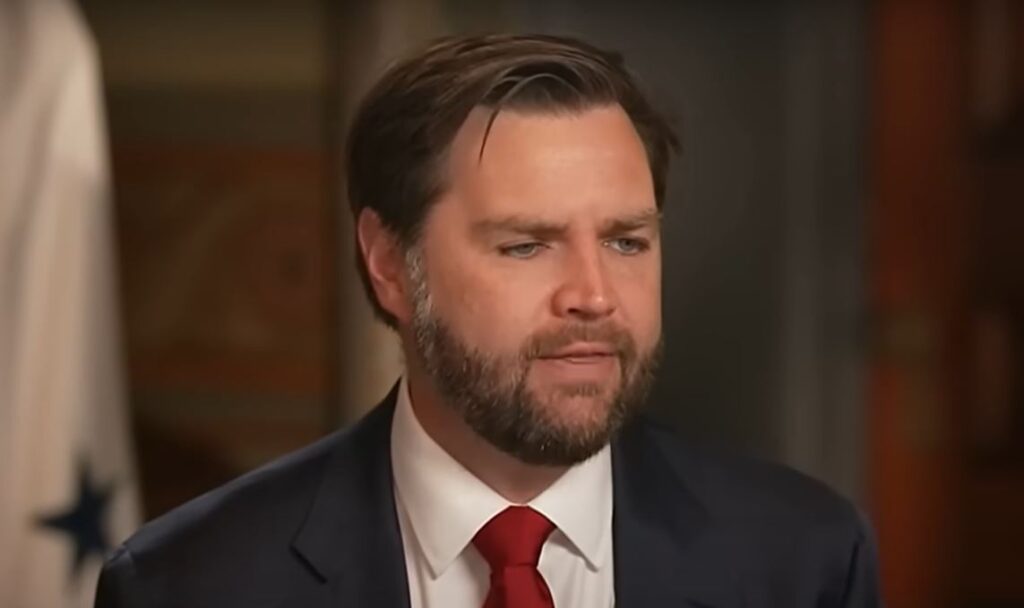

Vice President JD Vance identified the failure to broker a deal ending Russia's war against Ukraine as his biggest frustration during his first year in office, though he says progress has been made and expects "good news" in the coming weeks.
"Oh, man. I mean, look, the Russia-Ukraine thing has been a source of perennial frustration, I think, for the entire White House," Vance said in an interview with NBC News conducted Thursday inside his West Wing office.
The vice president, who has played a role in Middle East diplomacy and efforts to negotiate a peace deal between Russia and Ukraine, said the administration had underestimated the difficulty of resolving the conflict.
"I think that we really thought — and you've heard the president say this a million times — that that would be the easiest war to solve," Vance said. "And if you would put, you know, peace in the Middle East as easier to achieve than peace in Eastern Europe, I would have told you you were crazy."
Despite these setbacks, Vance expressed optimism about near-term developments. "I do think, for what it's worth, that we have made a lot of progress, but we're not yet quite across the finish line there," he said. "I think there's hope — should hopefully be some good news the next few weeks on that front."
The comments come as Trump administration representatives have been engaging with Russia on potential peace negotiations. President Trump recently said that Stephen Witkoff and Jared Kushner believe Russian President Vladimir Putin wants to end the war. A 2 December meeting between Putin, Witkoff, and Kushner lasted nearly five hours, according to reports.
Media reports suggest Trump team representatives who traveled to Moscow may inform Russia of US willingness to recognize Russian control over occupied Ukrainian territories as part of a potential peace agreement.
In the wide-ranging NBC News interview, Vance also discussed what he considers the administration's successes, pointing to increased deportations and declining illegal border crossings. "That's where you see the clearest numbers and the most immediate return on all of our time and all of our hard work, and so that's what I'm proudest of," he said, praising Homeland Security Secretary Kristi Noem, Stephen Miller, and Tom Homan.
The vice president said he felt most effective in helping Trump pass the "big beautiful bill" through Congress, where Vance cast the tie-breaking Senate vote on the tax and spending legislation. "I spent hours at the Capitol with a bunch of United States senators, late into the night on the first vote, and I frankly didn't know whether we were going to be able to get it passed, and we did," he said.
Vance also addressed frustration over prices not declining as quickly as promised during the campaign, while deflecting blame to former President Joe Biden. Recent polls show 63% of registered voters, including 30% of Republicans, believe Trump has fallen short of expectations on the economy.
"I think the voters will ultimately have to make that choice," Vance said. "I think I would certainly say voters are impatient. I think voters have every right to be impatient. We are impatient, too."
The vice president waded into ongoing Republican debates about antisemitism, disagreeing with fellow Republicans like Sen. Ted Cruz who have warned of rising antisemitism in the party. "Do I think that the Republican Party is substantially more antisemitic than it was 10 or 15 years ago? Absolutely not," Vance said.
When pressed about his 2028 presidential ambitions, Vance repeated his standard talking point: "I try to not wake up and ever think, 'What does this mean for my future?' I always try to think, 'How can I do a good job right now.'"
The vice president volunteered names of three progressives he has come to appreciate: Sen. Bernie Sanders, Rep. Ro Khanna, and New York City Mayor-elect Zohran Mamdani, calling them politicians who "at least sometimes" listen to people.