
Ust-Luga on fire again: Drone strikes keep Russia’s Baltic oil ports burning as Ukraine targets war revenues at source
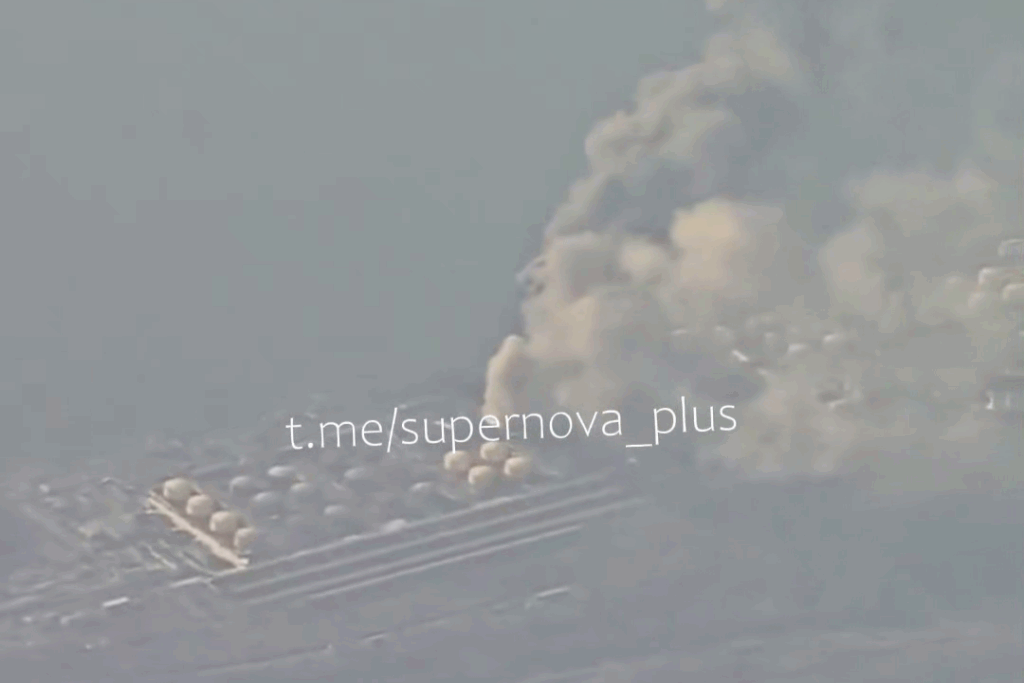

A fresh wave of drone strikes has hit Russia’s Ust-Luga port on the morning of 29 March 2026, with Ukraine’s Security Service of Ukraine (SBU) saying it carried out the strike using long-range drones operated by its Alpha special operations unit.
The latest incident is part of a pattern rather than an isolated strike. Earlier this week, the port was hit multiple times, with damage reported across parts of the oil terminal and follow-on fires intensifying between attacks.
Ukraine targets the revenue stream, not just the infrastructure
In a statement, acting SBU head Yevhenii Khmara said such operations are aimed at reducing Russia’s ability to finance and sustain the war, arguing that oil facilities are directly tied to the country’s military-industrial system. He added that similar strikes would continue, with Ukraine targeting infrastructure that generates revenue for Moscow.
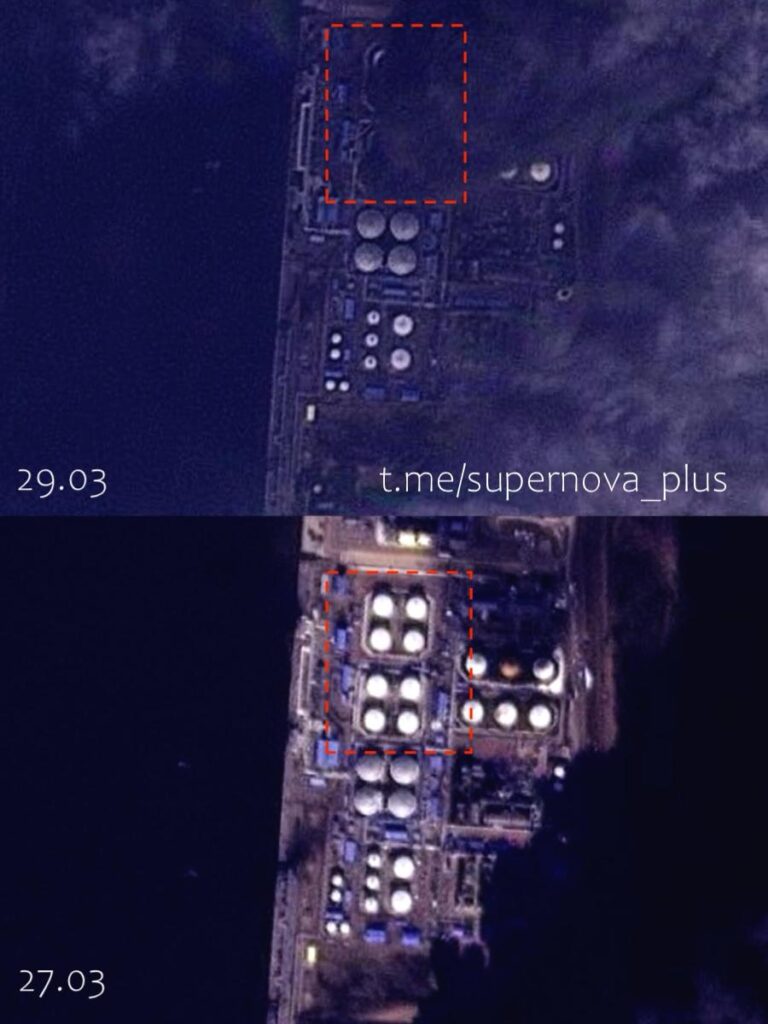
The agency reported “serious damage” and a fire at the oil terminal, describing the strike as part of a continued campaign against Russian energy infrastructure.
Leningrad Oblast governor Alexander Drozdenko said the latest strike damaged a fuel storage tank, sparking a blaze that continued into the early hours of March 29.
The SBU said the Ust-Luga strike was one of several recent operations targeting Russia’s Baltic energy infrastructure, noting that Ukrainian forces have also hit facilities at the nearby Port of Primorsk in coordinated attacks involving multiple units.
Russia's Baltic oil hub Ust-Luga is on fire – again.
Ukraine's SBU struck it this morning with long-range drones. A fuel tank is burning. The port moves 2 million barrels a day alongside nearby Primorsk. Exilenova+ pic.twitter.com/xHeOTFWtwF— Euromaidan Press (@EuromaidanPress) March 29, 2026
A hub for Russia's Baltic energy exports
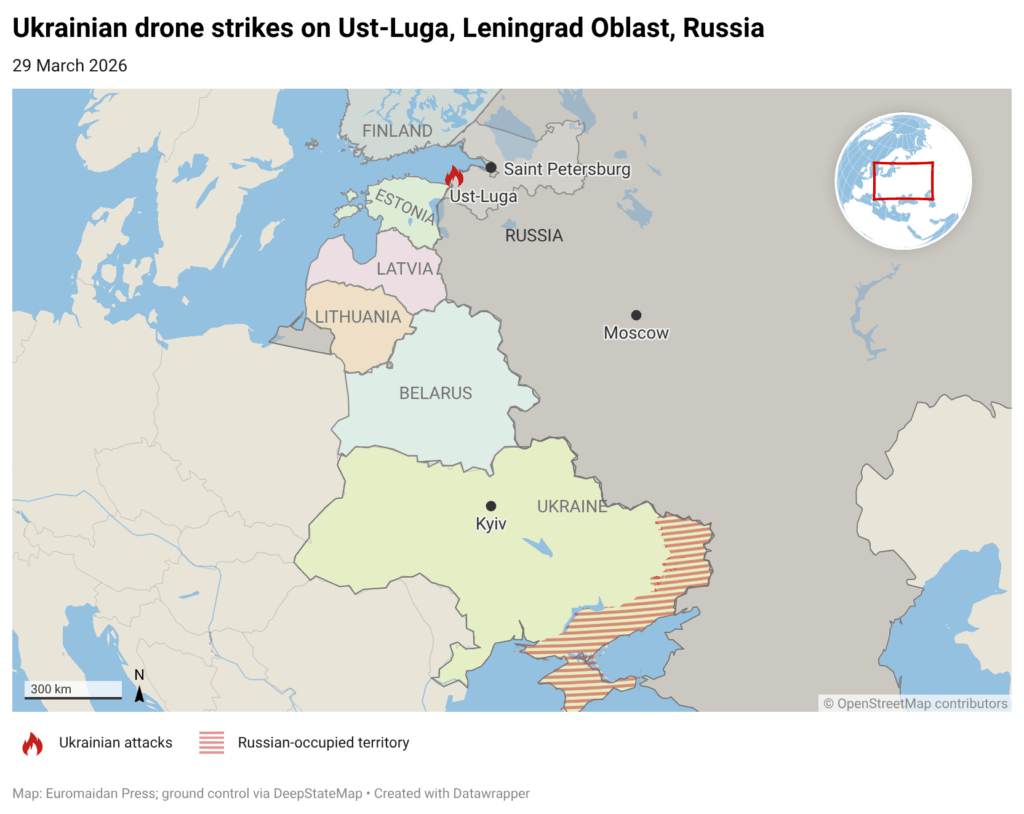
Situated on the Baltic coast not far from Saint Petersburg, the Port of Ust-Luga plays a central role in Russia’s maritime energy exports. It connects pipeline infrastructure to seaborne routes, allowing crude oil and refined products to reach international markets.
Major processing assets tied to Gazprom and Novatek are located at the site, handling large volumes of gas and condensate that are converted into export-ready fuels.
Shadow fleet cargo and the case for striking the port
Ukrainian officials have previously described the port as a high-value target due to its role in generating export revenue, including flows linked to shadow fleet vessels used to bypass international sanctions.
Strikes on Ust-Luga have been recorded before, with earlier operations disrupting gas-related infrastructure and forcing temporary shutdowns. The renewed attacks suggest a continued focus on degrading logistics and energy nodes well beyond the immediate front line.
Ukraine's Baltic campaign accelerates in scale and tempo
The strikes also come amid a broader escalation in Ukraine’s campaign against Russia’s Baltic export network. Ust-Luga and the nearby Port of Primorsk together handle around 2 million barrels of crude per day, making them critical arteries for Russian oil sales abroad.
Recent days have seen repeated attacks on both ports, alongside strikes on refineries and industrial sites deeper inside Russia. The tempo of these operations points to an effort not just to disrupt, but to inflict lasting damage on export infrastructure that has previously been repaired after earlier hits.
Elevated oil prices raise the cost of every disruption
The timing is also significant. With global oil prices elevated amid the ongoing Iran war, sustained disruptions to export capacity risk cutting into one of Moscow’s most important revenue streams at a moment when it stands to benefit from higher prices.
Taken together, the repeated strikes suggest a coordinated attempt to erode the infrastructure that underpins its energy exports, far from the battlefield.
Read also
-
Ukraine hits Ust-Luga and Primorsk for the third time in five days — the pace suggests Kyiv is trying to destroy Russia’s Baltic oil export ports beyond repair
-
Ukraine’s Baltic energy blitz: KINEF refinery struck as Kyiv targets Russia’s northwestern export corridor
-
Russia’s Baltic coast took three hits in one night: gas hub, oil terminal, military icebreaker — all confirmed by Ukraine (updated)