
US House approves defence budget with US$800 million in military aid for Ukraine
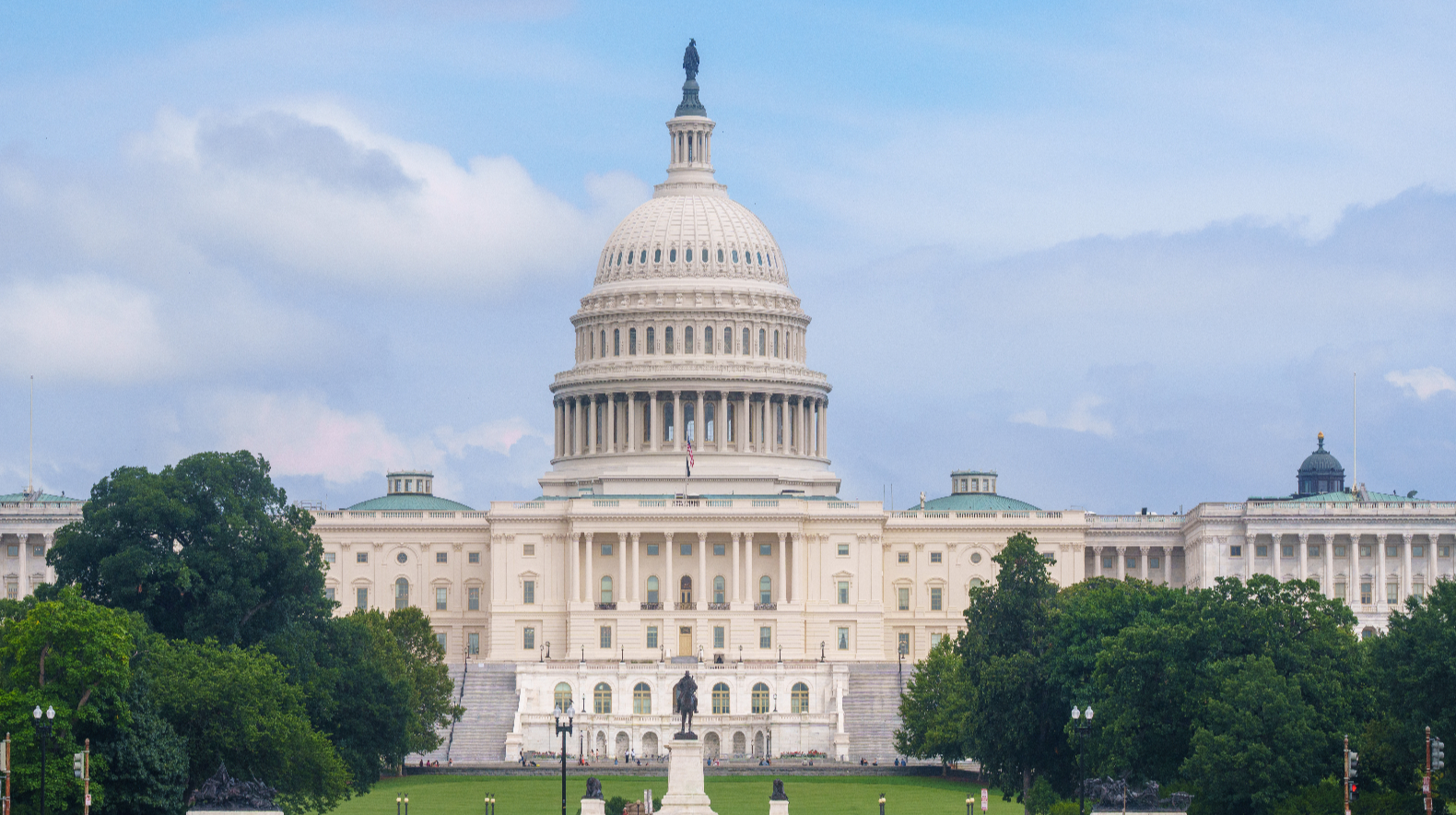
The United States House of Representatives has approved a compromise version of the National Defense Authorization Act for the 2026 financial year (NDAA). The nearly US$1 trillion bill sets Pentagon policy and provides for continued military support to Ukraine as well as measures to deter Russia and China.
Details: The bill was backed by an overwhelming majority in the lower chamber of Congress: 312 votes in favour and 112 against. Those who opposed it included 94 Democrats and 18 Republicans.
A key element of the document for Kyiv is the continuation of funding for the Ukraine Security Assistance Initiative (USAI). The bill allocates US$800 million for Ukraine, divided equally into two tranches of US$400 million over the next two years. This programme allows the US administration to purchase weapons and equipment directly from manufacturers for transfer to Ukraine's Armed Forces, rather than drawing them from existing US military stockpiles.
In addition to assistance for Ukraine, the document includes strict safeguards regarding the US military presence in Europe. Against the backdrop of President Donald Trump unveiling a new National Security Strategy, which observers describe as friendly towards Russia, Congress has limited the Pentagon's ability to reduce troop numbers in Europe to fewer than 76,000 personnel.
A further US$175 million has been authorised for the Baltic Security Initiative for Estonia, Latvia and Lithuania.
The budget also places significant emphasis on countering China. The NDAA establishes a new investment review process, requiring US companies to report to the Department of the Treasury on investments in strategic technologies in China and grants the Treasury the authority to block such deals.
The defence budget also includes the Biosecure Act, which cuts off federal funding to Chinese biotechnology firms.
To deter a potential invasion of Taiwan, the bill finances a US$1 billion security initiative and creates a joint programme for deploying unmanned systems.
The NDAA also allocates US$1.5 billion for new security assistance to the Philippines.
Concerning the Middle East, the bill guarantees full funding for the joint US-Israel missile defence programmes Iron Dome and David's Sling. It also requires ongoing assessments of international arms embargoes on Israel, such as those imposed in response to the war in the Gaza Strip, and evaluations of whether the US can intervene to meet Israel's defence needs.
Meanwhile, the document provides for the lifting of tough sanctions on Syria imposed during Bashar al-Assad's regime and the repeal of the 1991 and 2002 Authorisations for Use of Military Force (AUMF) against Iraq, with the aim of restoring Congress's control over decisions on going to war.
Lawmakers have long argued that Congress ceded too much authority to the president on the use of military force by passing and failing to repeal broad and indefinite war authorisations.
Separately, the document includes pressure on current Pentagon chief Pete Hegseth. Lawmakers have frozen part of his travel budget until he provides unredacted video recordings of US military strikes on vessels in the Caribbean suspected of drug smuggling and copies of the orders that authorised those operations.
Support Ukrainska Pravda on Patreon!