Ukrainian jets now fly in pairs: one lobs cheap glide bombs, the other swats off Russian jets
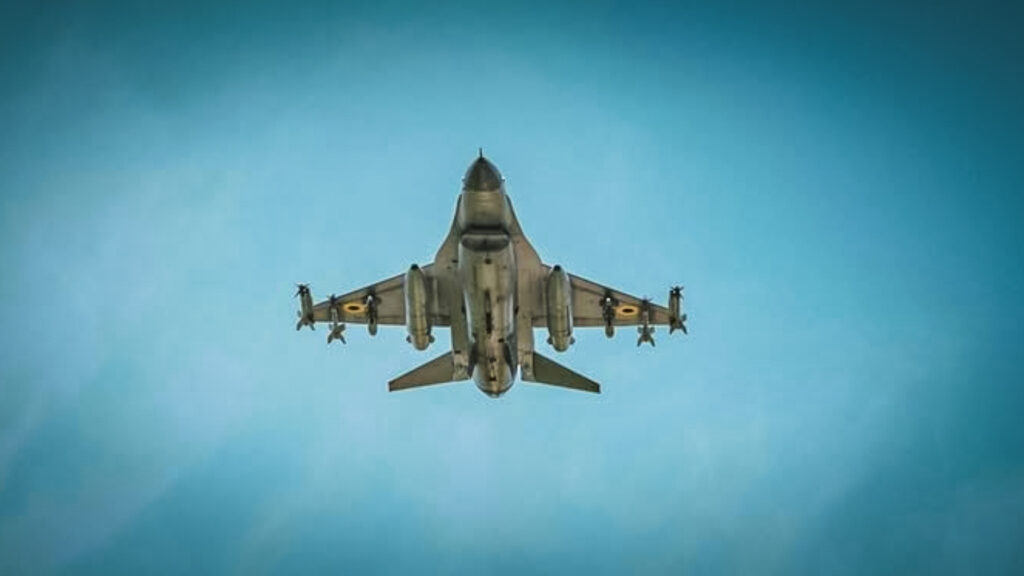

- Ukrainian fighters are using the same tactics Russian fighters use to protect other planes carrying precision glide bombs
- The bomber flies low, an escorting fighter flies high
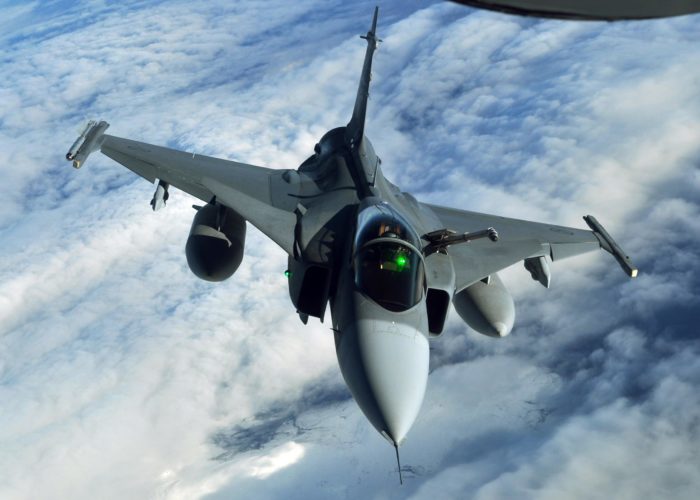
- This tactic is about to get more useful for the Ukrainians as they take delivery of Swedish Gripen jets
The Ukrainian air force is borrowing a key tactic from the Russian air force. A tactic that could become a lot more effective once the Ukrainian air arm begins deploying its new Swedish-made Saab JAS-39 Gripen fighters.
Ukrainian warplanes are now attacking in pairs, according to the Telegram channel The Commander Speaks, which appears to have close ties to the Russian air force.
One of the jets will fly low with a payload of precision glide bombs, aiming to bombard Russian forces in or near the gray zone. A second jet will fly nearby, but higher. Its job is to protect the bomber by flinging an air-to-air missile at any Russian jet that tries to intervene in the bombing.
"The tactics remain the same," The Commander Speaks wrote. "A single aircraft approaches aggressively, pulls up into a climb and releases its payload." This low-to-high flight profile is typical of both Russian and Ukrainian jets trying to avoid enemy air defenses during ingress while still maximizing the kinetic energy, and thus range and impact, of their satellite-guided glide bombs at the moment of release.
Ukraine will receive “long arm” against Russian aircraft battering front positions with glide bombs
When a low-flying plane suddenly climbs higher, it's easier to detect and intercept. That's when the enemy's defensive air patrols might open fire at the climbing plane.
But the Ukrainians keep a surprise at the ready: "a second aircraft—usually a [Lockheed Martin] F-16—staying at a distance," according to The Commander Speaks. The second plane will fire an air-to-air missile, an AIM-120 in the case of the American-designed F-16.
The missile may not shoot down the incoming Russian Sukhoi Su-35 or Su-30, but it might force the Russian plane to take evasive action and break off its attempted interception of the Ukrainian jet that just lobbed its glide bombs.
Best escort
With its modern radar, effective electronic warfare equipment, and AIM-120 missiles ranging from around 75 km in older versions to as much as 160 km in the newer AIM-120C-8 Ukraine now fields, the F-16 is the best Ukrainian type for flying top cover. But it's not the only type. The Commander Speaks claimed the Ukrainians will mix and match other warplane types in their low-high pairings, including a Sukhoi Su-27 covering a Mikoyan MiG-29 with an old Soviet R-27 missile, or even an Su-27 covering an Su-27 with an R-27.
The evading Russian plane might get off a hasty shot with an R-37 or R-77 missile, but the Ukrainians are usually already speeding away, and tracking the Russian missile the whole time. The Ukrainians "have decent situational awareness," The Commander Speaks explained. "As soon as our fighters launch, they immediately abort their mission and flee the battlefield."
If the tactic sounds familiar, it's because it's been in the Russian manual since early in Russia's wider war on Ukraine. A Sukhoi Su-30 or Sukhoi Su-34 will lob KAB glide bombs while an Su-35 or Su-30 flies top cover.

It's that tactic that helps the Russians pummel the Ukrainian side of the gray zone with thousands of KABs every month. Now that the Ukrainians are getting more glide bombs of their own, including American, French, and (soon) Ukrainian models, they're flying more glide bombing sorties. And protecting them the same way the Russians do.
The Russian air force still has more bombs and more planes, so there isn't yet aerial parity over the gray zone. But that could change as the Ukrainian air force prepares to take delivery of the first 16 Gripens from Sweden.
One of the Gripen's greatest assets is its Meteor air-to-air missile, which thanks to its ramjet propulsion ranges as far as 200 km. The Meteor outdistances the R-27, edges out the newest AIM-120, and matches the R-77. It still falls short of the 300-km R-37, but that's still a major improvement for the Ukrainian air force as it fights to meet the Russian air force bomb for bomb, missile for missile.
Once Gripens are escorting the glide bombers, the missiles will be coming at the Russians from farther away.