
Ukrainian drones adopt focused antennas to slip by Russian detection
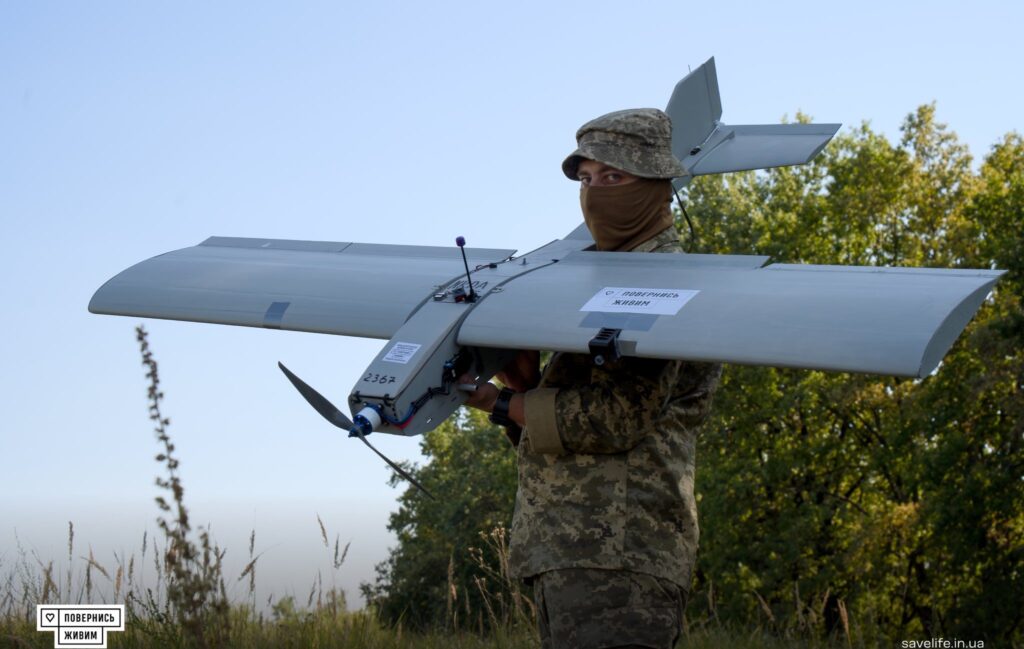

Ukrainian attack drone tech is racing to become harder to intercept. Recently, Russian military bloggers have highlighted another development: the use of directional antennas mounted on a dynamic gimbal—something Ukrainian sources confirmed.
Unlike omnidirectional antennas, these beam the connection in a tight cone between a drone and a signal repeater, while the gimbal keeps the antenna pointed in the right direction to avoid losing contact. This reinforces the connection between drone and operator and makes it harder for enemies to detect its presence.
“Omni antennas are like a bad swimmer. Thrashing around making waves in all directions. He might move in the right direction, but not very efficiently and everyone knows about it,” said James, an American engineer who heads an Azov Corps laboratory. He requested to omit his last name for the sake of operational security.
“A directional antenna is like a whale. Better swimmer than you or I, but still makes a lot of waves, and takes a lot of power to push through the water. A Yagi-Uda antenna (a type of directional antenna first developed a century ago) is like a shark—sleek & focused. They can really sneak up on you.”
“The latest beamforming phased arrays are like swordfish, or a barracuda,” he concluded. “Just a silver flash.”
From bombers to mid-range attack drones
According to an Unmanned Systems Forces service member, speaking on condition of anonymity, Ukrainians are using this tech on their Vampire heavy bomber drones and their Baton small attack drones.
“It is quite a simple task in terms of engineering,” they said. “And of course it makes the link stronger.”
They added that it's often simpler to just use Starlink. However, Russia has once again started to deploy large jammers that can disable Starlink in a 20-kilometer area, making it useful for troops to have other tools in their arsenal.
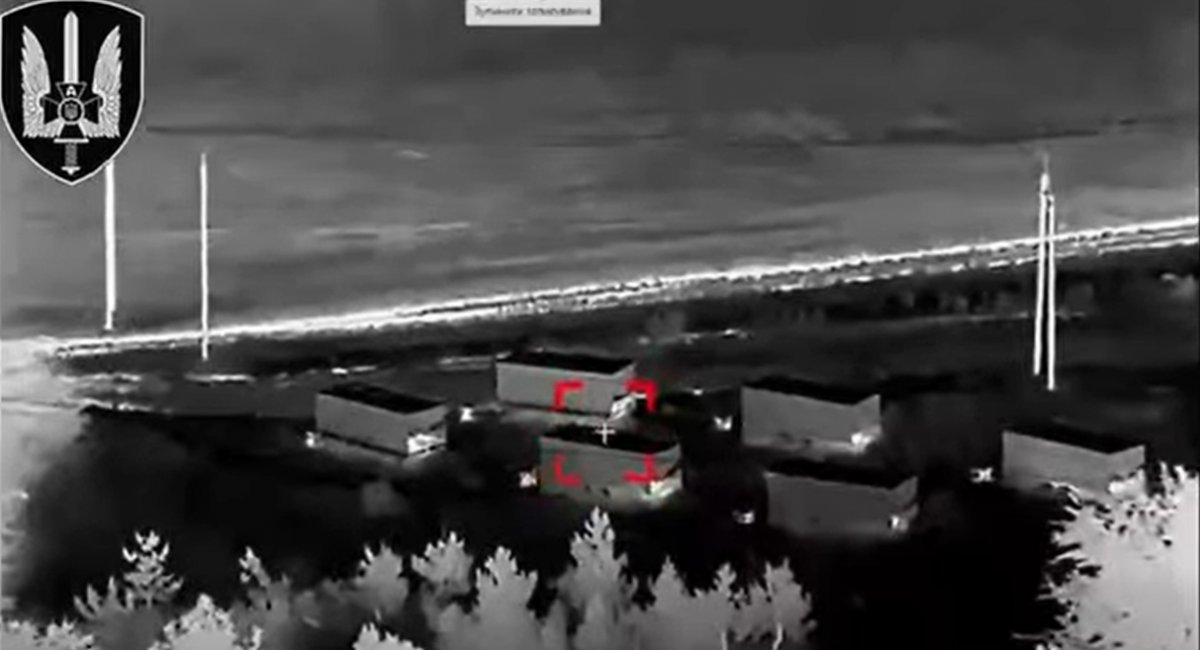
Russian military bloggers write that it is also being used for the Darts mid-range kamikaze drones, which, along with the AI-enhanced Hornet drones, have been wreaking havoc on Russian logistics networks.
“Given these technical capabilities, in addition to a stable and high-quality signal (as losses are minimal due to directionality), the adversary eliminates the detection of their UAV by sensors, and video signal interception devices,” Russian Telegram channel Ruporofbattle wrote.
“In other words, if this UAV flies near you, even with a standard analog transmitter, on a relatively standard frequency, your existing detection equipment will not alert you to its presence.”
Technology marches on
James said that this technology was, for a while, not fully viable to be used on drones due to its size and form factor. However, successful miniaturization has seen it being used on smaller and smaller hardware.
Ukrainian company Chupakabra provides multiple examples. Its website shows off Yagi-Uda antennas, rotary platforms for automatic antenna angle adjustments, and a quadcopter mounting its proprietary FlyMonkey signal repeater.
"Just don't show this to our ground control station producers, they haven't yet copied (Ukrainian) technology from 2023, have pity on them," Ruporofbattle opines, snidely.
James said that he’s glad this technology is finally getting its time in the sun. “I am glad they're finally doing this. I've been screaming about it for years in this war.”