
Ukraine’s Ptashka smashes strike quadcopter records, flying on glass thread that Russia can’t see

Mar 5, 2026 - 18:07
Ukraine’s Ptashka smashes strike quadcopter records, flying on glass thread that Russia can’t see
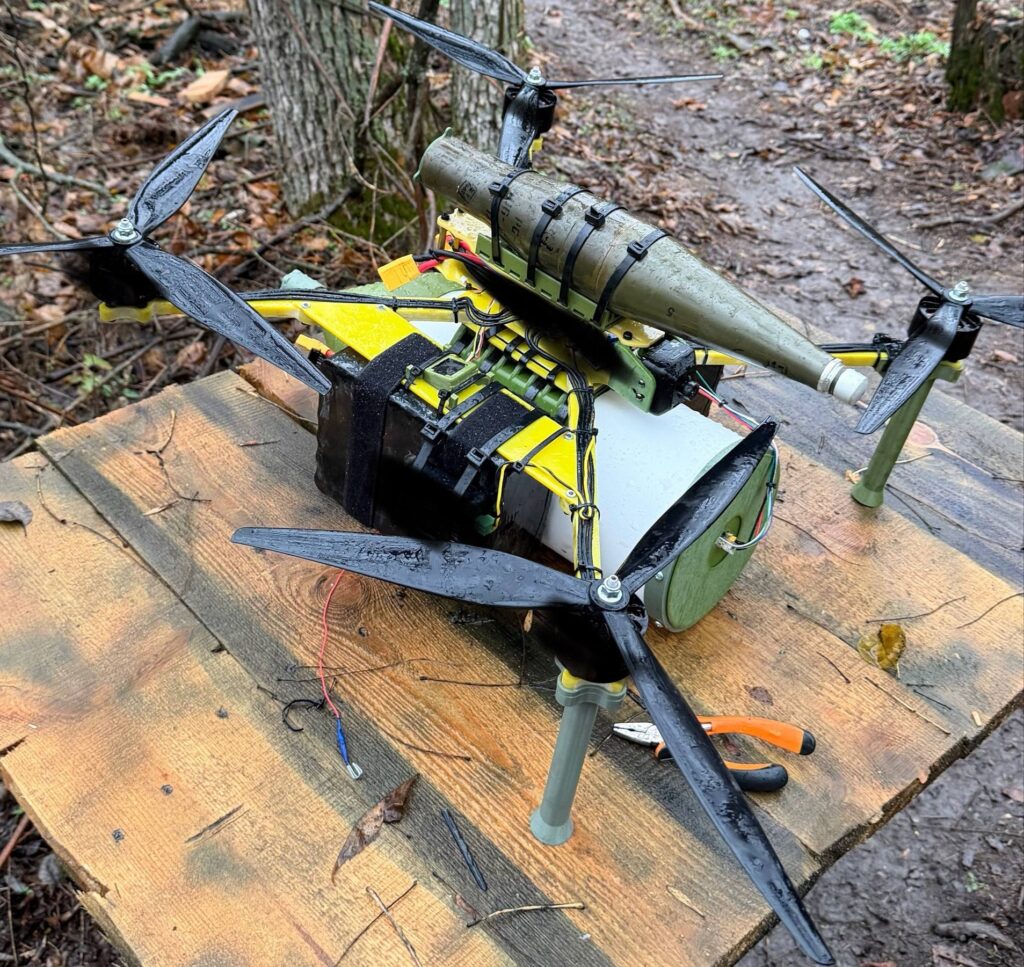
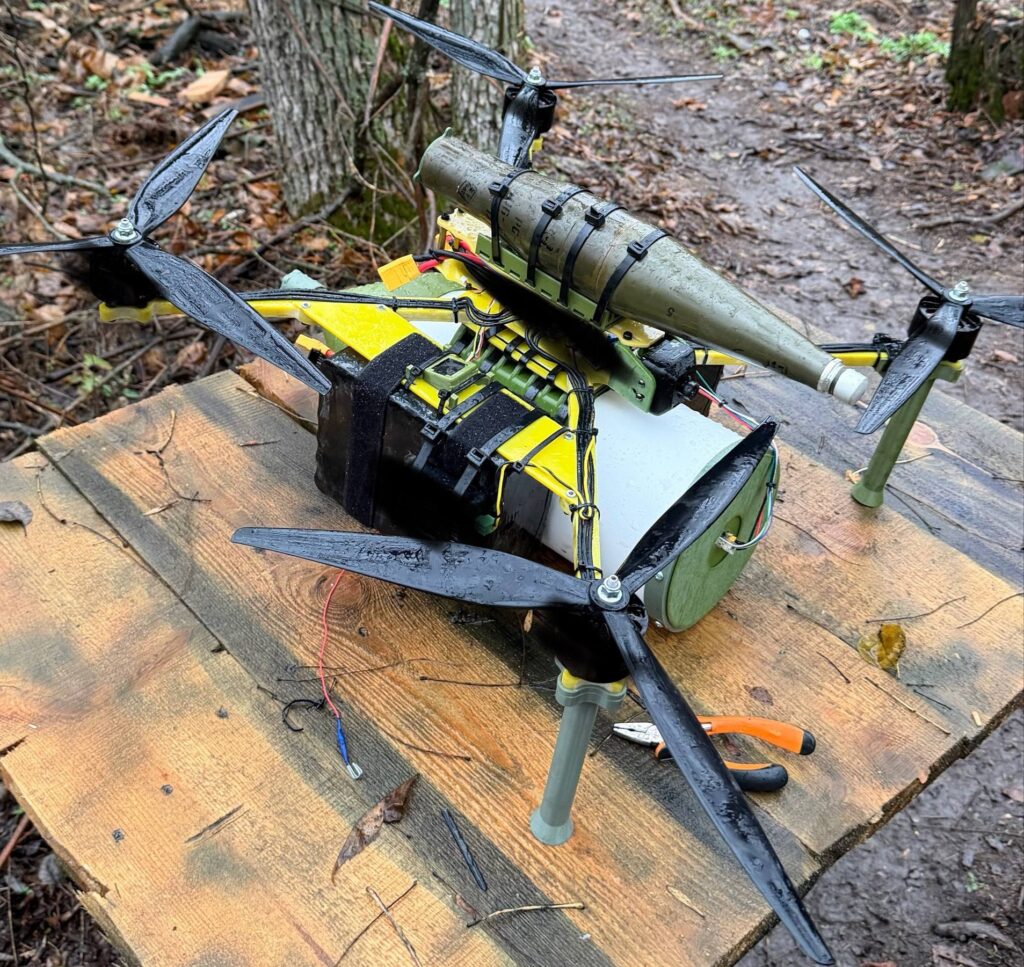
FPV drone by Ptashka Drones equipped with a 50 km fiber optic reel. Photo from the company’s official Telegram channel.

The Ukrainian Defense Forces have received the “Ptashka” strike quadcopter, a domestically produced drone with a record operational range. According to the Ministry of Defense, it has a record range among all codified drones of this type.

Ukraine continues to expand its deep-strike drone campaign against Russia, increasing both the range and frequency of attacks as Russia’s full-scale invasion of Ukraine enters its fourth year. In 2025, Ukraine carried out 371 strikes on Russian territory, inflicting $13 billion in losses on Russia’s oil and gas sector.

The drone features a fiber-optic control channel and can conduct combat missions over nearly 50 km. 

The next-generation Ptashka system was designed for use in intense combat conditions. The drone has a reinforced composite frame, high-performance electric motors, thrust propellers, and a split battery pack, providing stable operation and high maneuverability.

Its design allows missions both day and night, under various weather conditions, and even in strong gusty winds.

What can Ptashka strike? 

The drone’s payload is sufficient to strike enemy infantry, fire positions, bunkers, vehicles, and lightly armored equipment. It is already operational within the Defense Forces and is actively used by Ukrainian defenders to hit targets deep behind enemy lines.

Earlier, the Ukrainian company Temerland developed a ground robotic system called “Hnom‑ND” — a wheeled-tracked carrier for FPV drones.

This technological “stacking doll” can secretly deliver strike payloads deep into enemy positions, fundamentally changing frontline combat tactics. It enables ambushes in unexpected locations and allows Ukrainian forces to hit targets far behind enemy lines.

The ground robot can launch kamikaze drones against artillery crews, command posts, ammunition depots, or lightly armored vehicles hiding in the rear. For Russian occupiers, this means that even relatively deep rear areas are no longer safe. Every bush or ruin could conceal a launch point for a Ukrainian drone, ready to strike at the most unexpected moment.