Ukraine issues largest-ever sanctions package against Russia’s shadow fleet
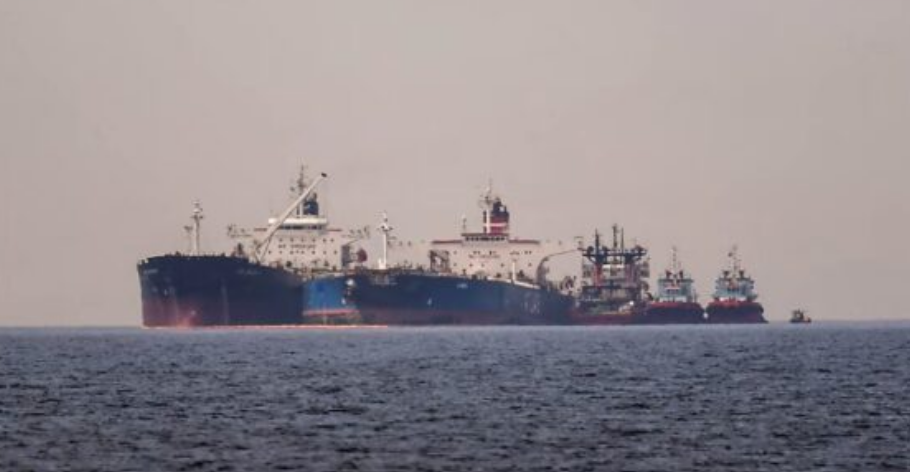
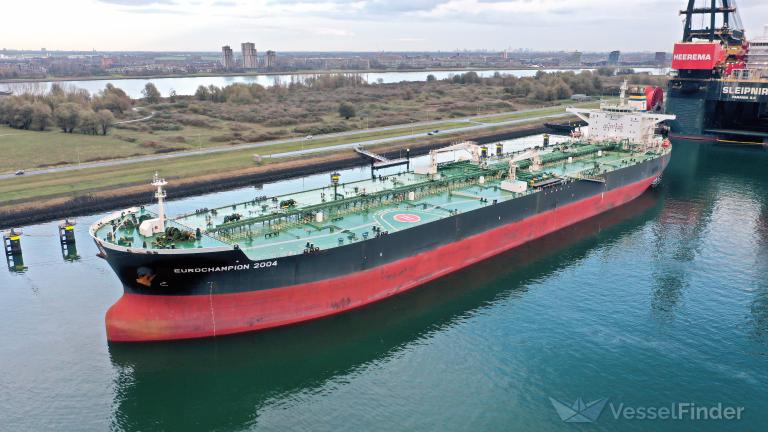
Ukraine imposed sanctions on 656 Russian shadow fleet vessels on Saturday — the largest single sanctions package ever applied against the tanker network Moscow uses to evade Western oil restrictions.
The blacklist comes days after Ukrainian naval drones struck five shadow fleet tankers in the Black Sea, tripling war-risk insurance costs in a single month. It marks the latest escalation in Kyiv's campaign to deprive Russia of its hydrocarbon revenues — a campaign that has already cost Moscow $30 billion in oil income this year.
Record scale
The 656-vessel decree signed by President Volodymyr Zelenskyy dwarfs all previous efforts. The US sanctioned 183 tankers in January 2025 — until now, the largest single package. The EU's entire accumulated blacklist stands at 557 vessels, built across multiple packages since June 2024. Ukraine just exceeded both in a single move.
"This is the largest sanctions package ever applied against tankers and vessels that work for the aggression," Zelenskyy said.
What is the shadow fleet
The shadow fleet refers to a network of over 1,000 aging tankers to circumvent Western oil sanctions and the $60-per-barrel price cap imposed after the 2022 invasion.
These vessels fly "flags of convenience" from countries like Gambia, Panama, or the Comoros, disable tracking systems, and use shell companies to hide ownership.
Ukrainian intelligence estimates one in six tankers worldwide — roughly 17% of global capacity — now belongs to this network. Russia uses the fleet to transport more than 60% of its seaborne oil exports, according to Ukraine's Presidential Office.
“Kinetic sanctions”: 160 strikes on Russian refineries in 2025 cut oil output by 90% – SBU chief
What Ukraine found
Ukrainian intelligence monitored the Black, Red, and Baltic Seas to identify the sanctioned vessels, according to the Presidential Office. Ship owners systematically disabled Automatic Identification Systems and used schemes to conceal ownership and cargo origin.
The tankers fly flags from more than 50 countries — most commonly Gambia, Sierra Leone, Panama, and Cameroon. Ukraine says it will share intelligence with these flag states and pressure them to revoke licenses. The sanctions apply for 10 years under Decree No. 929/2025.
Why the fleet matters
Beyond oil smuggling, the shadow fleet poses environmental and security threats. European officials warn these poorly maintained vessels risk catastrophic spills — and may serve as platforms for hybrid attacks. Drones spotted over European airports have been linked to shadow fleet tankers.
"We will work to ensure that each of these vessels, every shipowning company, and the entire infrastructure of Russia's oil export are also blocked by our partners," Zelenskyy said.
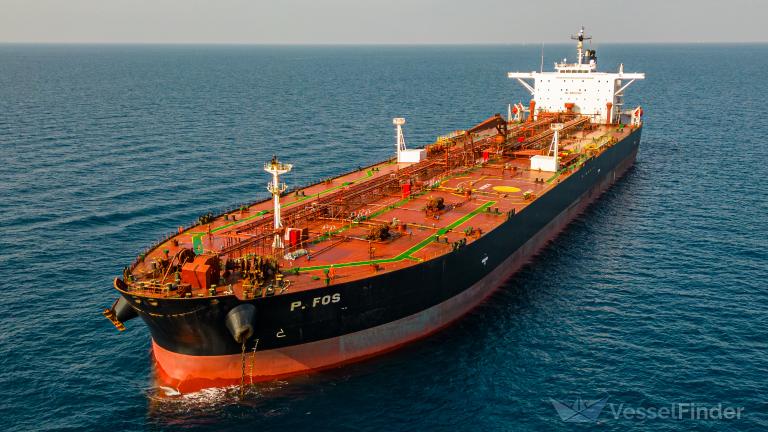
Russian “shadow fleet” tanker suspected of involvement in Danish drone incursions resumes voyage after French detention
Ukraine's oil war
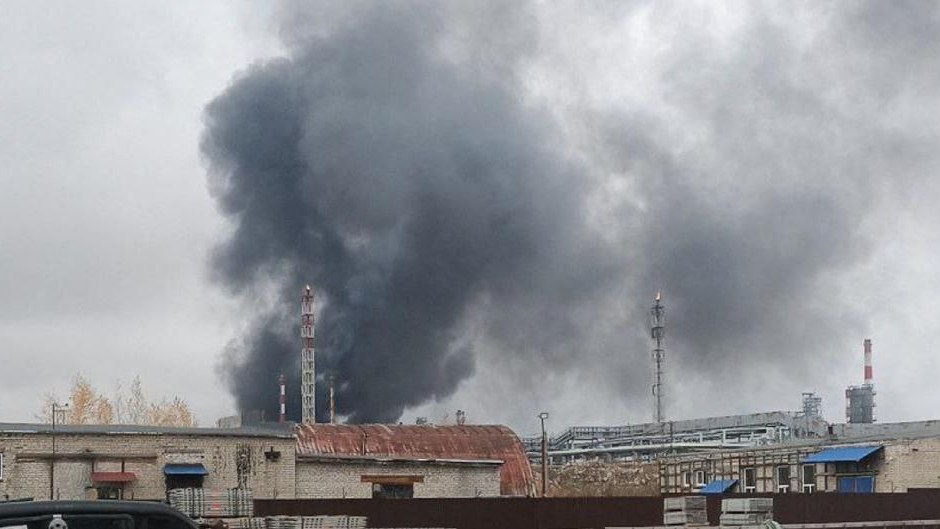
The sanctions formalize what Ukraine has been doing kinetically. Over the past year, Kyiv has struck over 160 Russian refineries with long-range drones, knocking 20% of refining capacity offline. It has sanctioned Arctic LNG projects that remain largely untouched by Western restrictions. And now it's targeting the ships themselves — with drones and blacklists alike.
"We are implementing what we call kinetic sanctions," SBU chief Vasyl Malyuk said in October. "These are the dirty oil rubles the enemy uses to kill us."
"Pressure on Russia and diplomacy to end the war must go hand in hand," Zelenskyy said.