
UK risks becoming ‘dumping ground’ for Temu and Shein, retailers warn
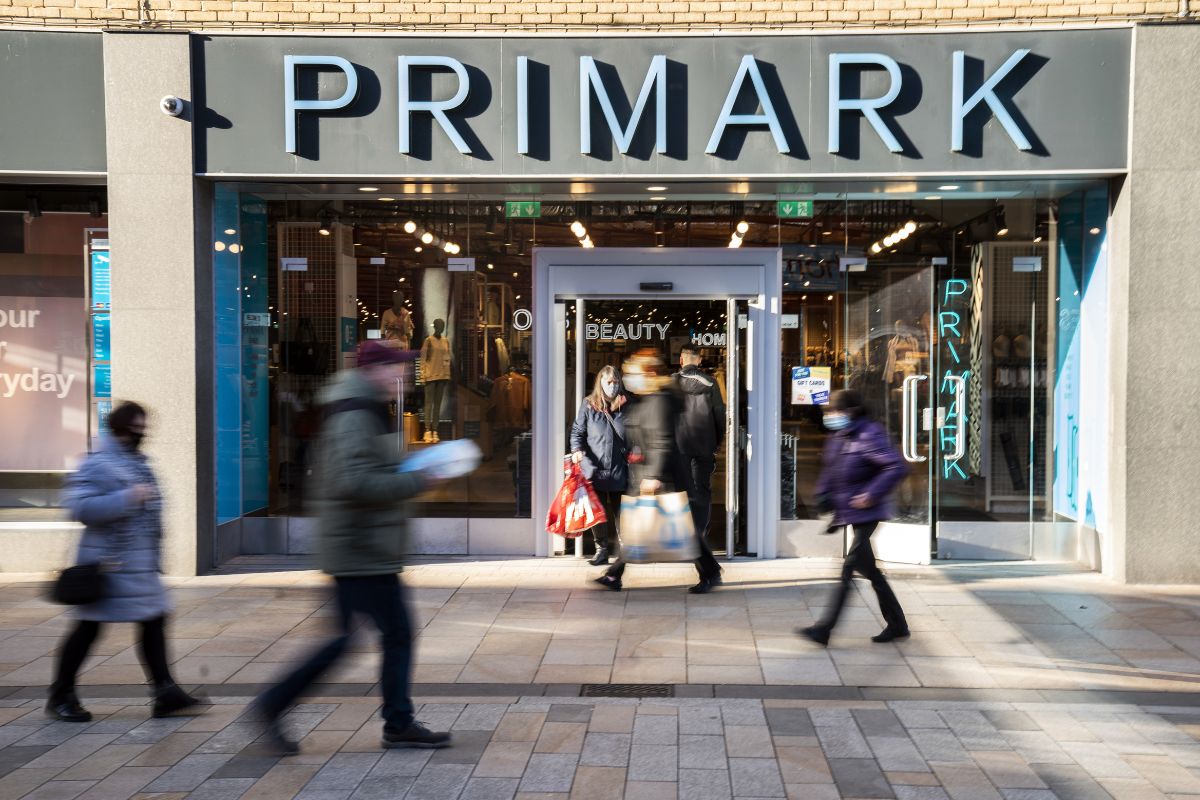
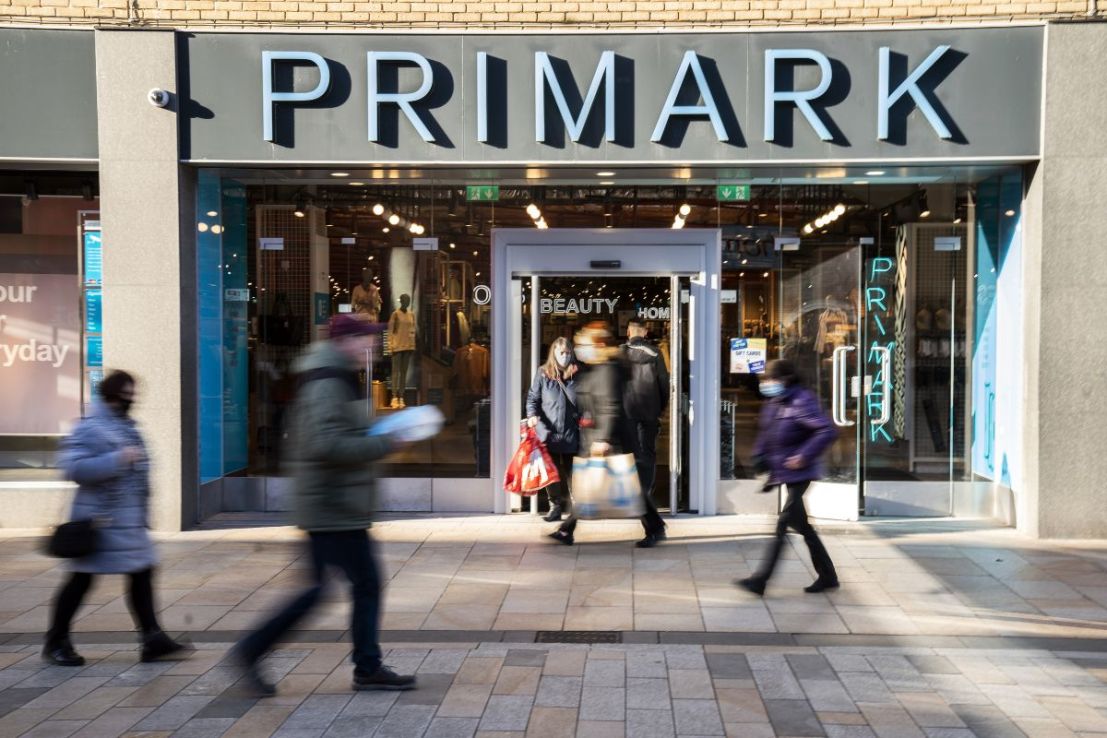
The UK risks becoming a “dumping ground” for online fast-fashion giants like Shein and Temu once a European crackdown on those firms comes into effect, leading retailers have warned.
High street firms including Primark and Accessorize told City AM they risk facing tougher rivalry from foreign fast-fashion sellers if the UK does not clamp down on a tax loophole on low-value imports.
Under current rules, the so-called de minimis regime means that all goods imported into the UK that are worth less than £135 are exempt from customs duties.
The government has pledged to close this loophole, which retailers say gives an unfair advantage to the likes of Shein and Temu, but is not due to take action until 2029.
The European Union is set to remove the de minimis threshold from 1 July and British retailers have warned that this will cause fast-fashion importers to redirect their efforts towards the UK market.
Shein and Temu, e-commerce businesses which were both founded in China, have provided fierce competition to the UK’s fast-fashion retailers in recent years by shipping low-cost goods straight to British consumers.
‘Problem going to get worse’
Nick Stowe, the chief executive of fashion retailer Monsoon Accessorize, told City AM that the need for action on low-value imports is “one of the few areas where businesses and the government seem to be in complete agreement”.
But “the frustration is just timing,” he said, adding that Shein and Temu refocused their efforts on the UK and the EU when the US shut its de minimis loophole in August, and are likely to redouble their focus on the British market after Europe clamps down.
“The problem is going to get worse. We are all aligned on what needs to happen, we just need action now,” Stowe said.
The British Retail Consortium (BRC), a trade body, added that the UK risks becoming a “dumping ground for low-value imports”. British retailers “cannot afford” to spend three more years “competing on an unfair playing field,” BRC director of food and sustainability Andrew Opie said.
A spokesperson for fast fashion giant Primark told City AM that it is “vital” that the government speeds up its action to “level the playing field between UK retailers that employ thousands across the country and those operating overseas with no UK footprint”.
“This would raise millions in taxes for the Exchequer while supporting British high streets and shops. Other countries are acting decisively to support their domestic sectors and the Government must now do the same,” they added.
Tax change could raise £1.7bn
Andrew Goodacre, chief executive of the British Independent Retailers Association (BIRA), said that Labour’s timeline for action “is simply too long and we need to follow the Euro example by introducing an interim measure”.
Last month, leading retailers including Next, M&S and Currys wrote to the Chancellor to urge the Treasury to act faster on this loophole.
“The de minimis threshold has become a structural advantage for overseas retailers without a footprint in the UK, who undermine retailers that employ millions of people across the country, pay local taxes and pay import duties,” the retailers said.
The government would raise £1.7bn per year from this tax, the companies claimed, which they suggested it could use to offer Brits more cost of living support.
A spokesperson for Shein said: “We support fair, clear and consistently enforced customs rules, and we have been engaging constructively with HMRC on the UK’s proposed reforms. We are committed to complying with all applicable customs and tax requirements.
“Shein’s success is not dependent on the de minimis threshold, but rather on our innovative on-demand production model. Advocating for measures that risk increasing costs for British shoppers in the name of competitiveness will not ultimately benefit British consumers or retailers.”
Temu and the Treasury were contacted for comment.