
Two-tier taxes are not the way to get Britain back to work
Reform’s plan to cut employer National Insurance for Brits but not immigrants is not the way to fix unemployment. Lower jobs taxes for everyone would be better, says Joanna Marchong
Reform’s pitch has been consistent from the start. Brits first. Patriotism is a universal solvent for problems that are, on inspection, structural rather than national. Their newest announcement is the clearest demonstration of where that instinct breaks down.
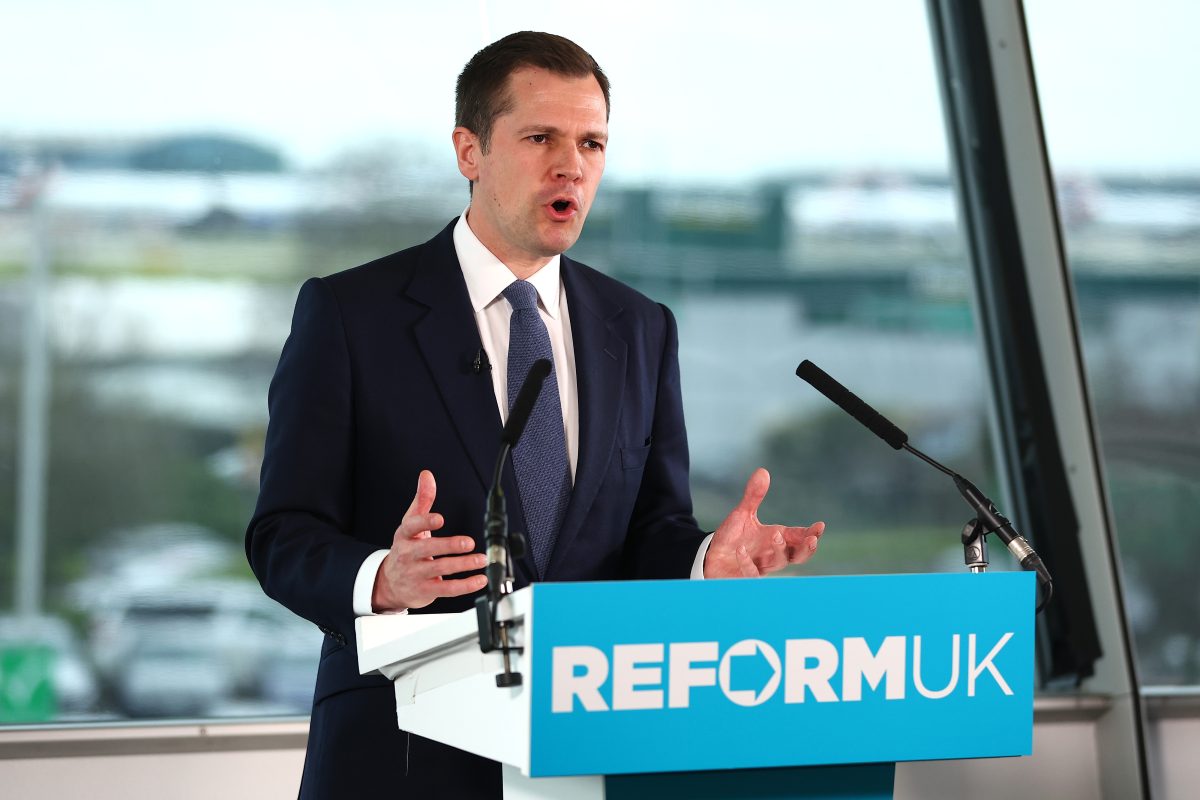
Robert Jenrick announced: “Reform will reverse Labour’s increase in Employer National Insurance by cutting it from 15 per cent to 13.8 per cent. But Reform will do this for British workers only.” Do that, he explained, and the welfare rolls would shrink. However, he failed to mention how he planned to coax the 488,000 plus people that have spent over 15 years on benefits to choose work instead.
The more unshakable issue with this policy is its focus on controlling the labour market rather than harnessing it. Reform has made a fatal error in thinking that you can solve unemployment and sky-high welfare spending by making it harder for foreign workers to hold onto jobs, believing this will lead the way for British people to enter the labour market.
Realistically, cutting employer National Insurance to 13.8 per cent for British workers alone doesn’t tax migrants more heavily; it shaves 1.2 percentage points off the cost of hiring a Brit, a wedge between two CVs on the same desk. On its own terms, that might nudge a manager towards the British candidate. But deciding who gets hired is not the same as creating something to be hired for, but that is the lever Reform has mistakenly reached for.
More jobs, not who fills them, is what matters
The question was never who fills the jobs. It is why there aren’t enough of them, and how you make more. A tax tweak that reshuffles a shrinking pool answers the first and ignores the second entirely.
The levy misreads what the public is actually anxious about, which is not who holds which job, but that too many people of working age hold none. That is the real fight, and it is not with people who work. It is with those who can work and do not, and leave the taxpayer to bear the cost. Sorting the workforce by passport does nothing about worklessness; it picks a fight with the wrong people.
It is fundamentally wrong and backwards thinking. The problem in Britain is the lack of jobs available because businesses are being squeezed. The Employment Rights Act, the jobs tax and the equalisation of the minimum wage all land on the same payroll, and the response has been predictable: fewer hires, more shuttered businesses. Sixteen and seventeen-year-olds have been priced out of entry-level work; graduates are treated as a risk not worth taking. These are market signals that can’t be overlooked. Move the relative cost of a British worker by 1.2 percentage points, and none of them shift.
The policy surrenders the ground that the free-market case should be holding. Employer National Insurance is a tax on employment, full stop. The answer is to cut it for everyone, not to means-test it by nationality and hand HMRC a two-tier system to police. The irony writes itself. Labour already carved up National Insurance by passport with the India trade deal, exempting seconded Indian workers for up to three years, a carve-out Jenrick himself attacked as British workers coming last. Now he offers the mirror image and calls it growth.
Businesses have always needed the same thing: reliable, well-priced labour to meet demand. Any government that wants to solve unemployment and the welfare bill should start with stimulating business growth and tackling the rising number of educated, working-age people out of work. That is the lever that needs to be heaved.
Joanna Marchong is head of communications and external affairs at the Adam Smith Institute