
Trump's behavior at home is blowing up in his face on the world stage: analyst
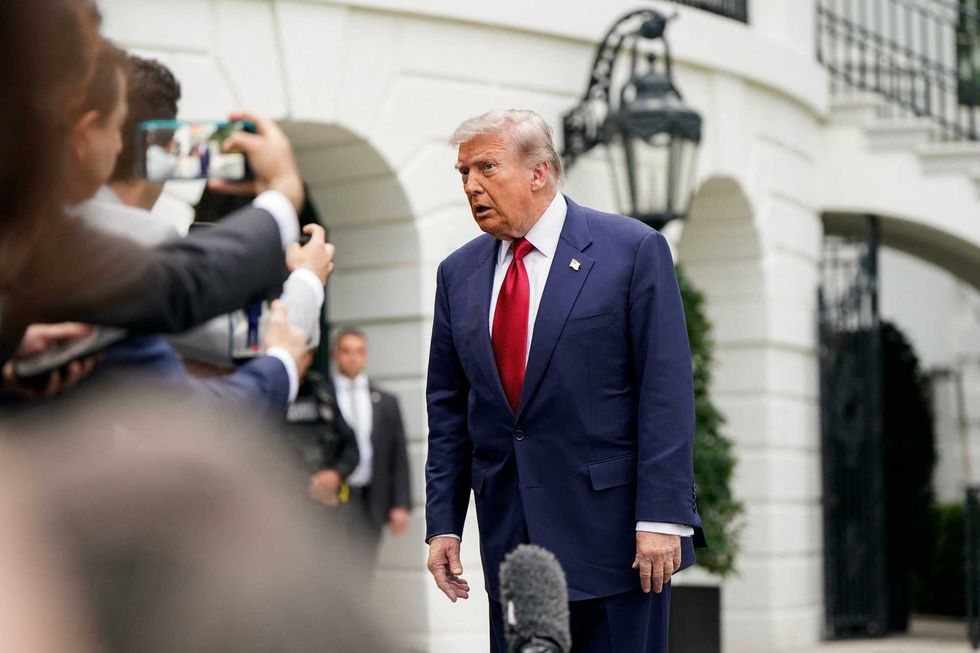
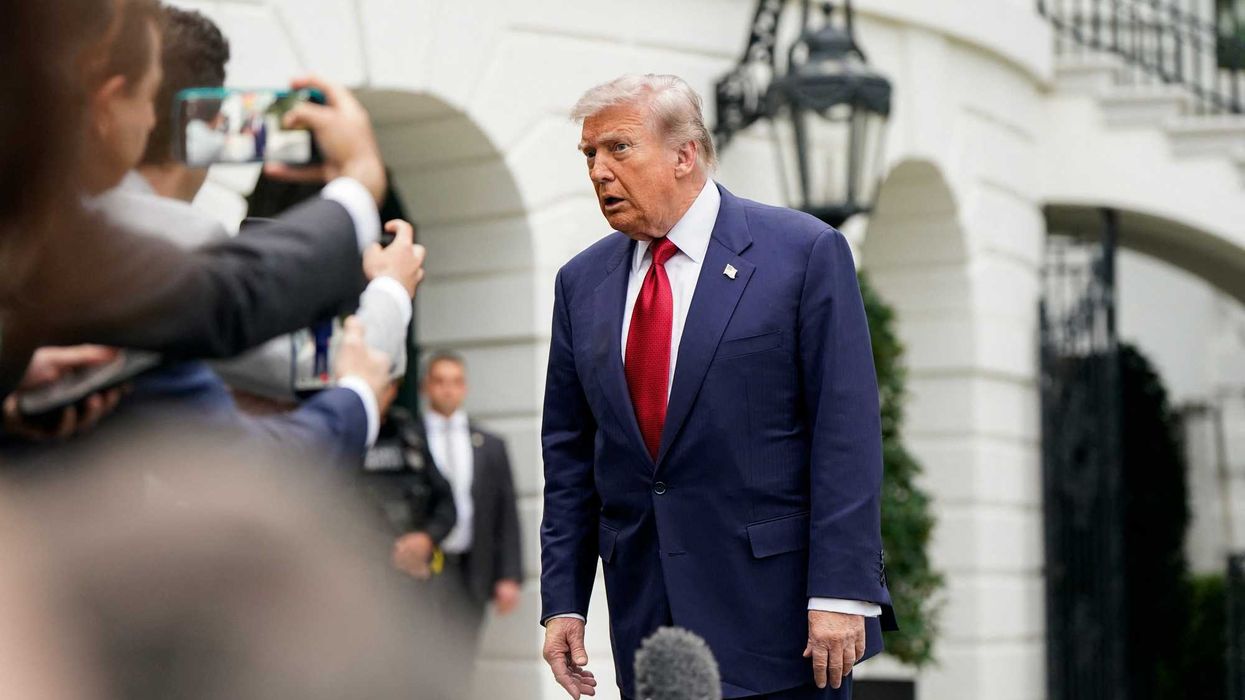
Donald Trump's habit of punishing Republicans who cross him may have just cost him the political cover he needs to sell his Iran deal, according to political analyst Sabrina Haake, who argues the president's domestic vendettas are actively undermining him abroad.
In her latest newsletter, Haake makes the case that Trump's "personal thirst for revenge at home is hurting him on Iran." Her logic is straightforward: the lawmakers Trump targeted in primaries, several of whom lost as a result, no longer owe him anything and are now free to attack his foreign policy without fear of consequences. As she puts it, they "have zero Fs left to give."
The result has been a chorus of Republican criticism aimed at the memorandum of understanding that ended Trump's war with Iran. Haake points to Sen. Bill Cassidy, who called the agreement "the worst foreign policy blunder in decades" and warned that Iran learned "threatening the Strait of Hormuz works." Sen. Thom Tillis flagged the war's $100 billion price tag, while Rep. Thomas Massie noted that figure is five times what Congress spends annually on roads and bridges. Even former Vice President Mike Pence said the deal "smacks of appeasement," and Sen. Ted Cruz blasted a reconstruction fund he described as handing "billions of dollars to theocratic lunatics."
Haake's central argument is that this is a self-inflicted wound. Trump alienated the very voices he would now need to defend the agreement, and he is reportedly planning to skip the congressional review required under the 2015 Iran Nuclear Agreement Review Act, a move that members of both parties have urged him not to make. Having burned those bridges, she contends, he is left without allies to make his case.
The analyst is also sharply critical of the deal's substance, which she says bears no resemblance to the "UNCONDITIONAL SURRENDER" Trump demanded fifteen weeks ago. Instead of regime change, disarmament, or American control of Iranian oil, Haake writes that the MOU waives sanctions immediately, lets Iran resume oil exports, and steers an estimated $300 billion reconstruction package toward the country, while securing only a temporary 60-day window of toll-free passage through the Strait of Hormuz. She frames it bluntly as the US "effectively paying Iran to stop threatening international shipping."


