The politics behind the 2026 Fifa World Cup draw and schedule
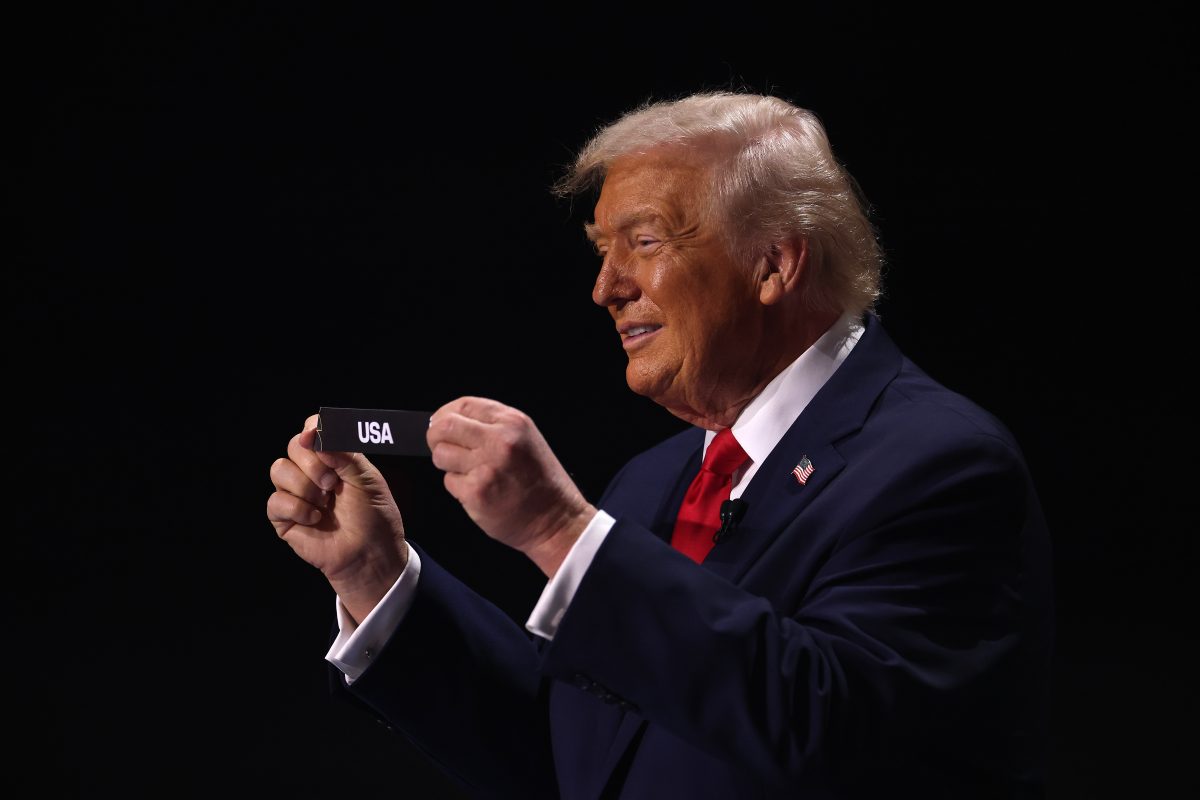
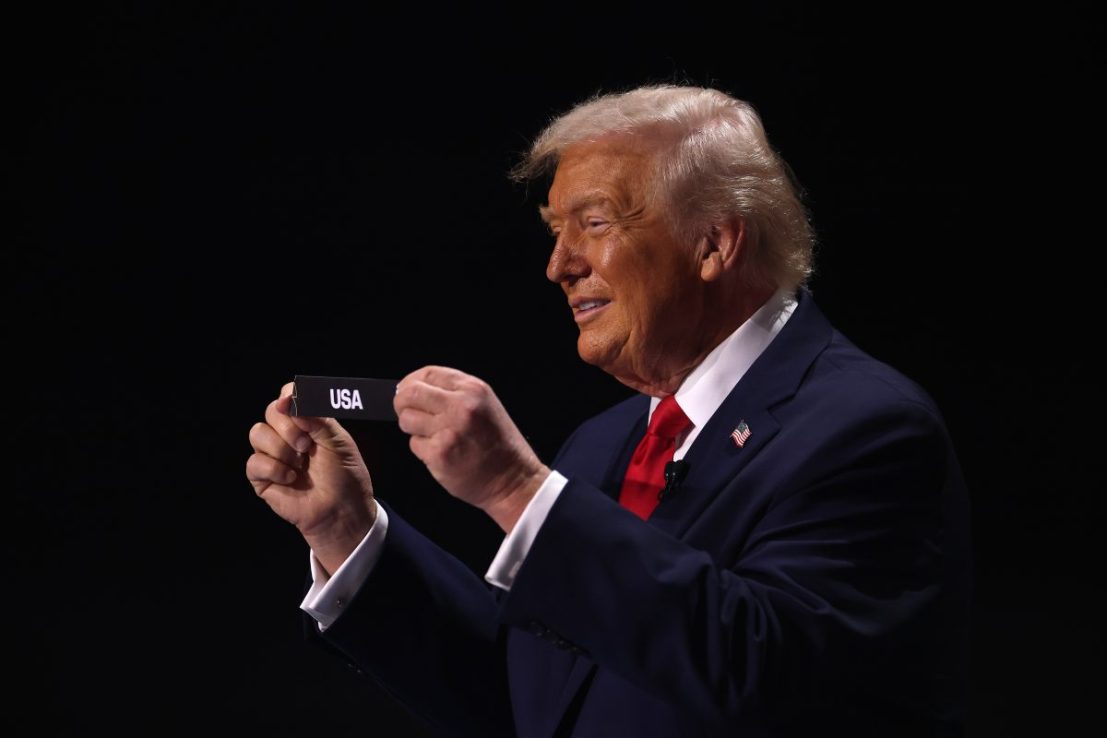
By the time the Village People walked out on stage to close the 2026 Fifa World Cup draw, to the delight of US President Donald Trump and Fifa chief Gianni Infantino, many fans’ thoughts had already turned to who their team would be playing and when.
And when the full schedule was confirmed 24 hours later, it threw up some intriguing details – in particular regarding the locations of certain teams and fixtures – in the context of the Trump administration’s politics and a tournament being co-hosted with Canada and Mexico.
We asked Simon Chadwick, professor of sport and geopolitical economy at Skema Business School in Paris, to pick out the talking points.
Banned from Fifa World Cup?
“There remain some issues that will need to be resolved if Iran and Haiti are to compete; both are part of a US travel ban which could impact both players and coaches but also officials, commercial partners and journalists,” Chadwick says.
“It is interesting that Iran has been drawn to play matches on the opposite side of the country – in Los Angeles and Seattle – which keeps the team away from the political sensitivities of Washington DC and the east coast.”
One of Iran’s matches will, interestingly, be against Egypt in what the Seattle local organising committee had long designated as a Pride match, as it falls two days before International LGBT Pride Day. Homosexuality is illegal in both Egypt and Iran.
South Korea
“The Trump administration has had beef with several countries, including South Korea which has attracted the president’s ire over electric vehicle production,” says Prof Chadwick.
“Kia-Hyundai increased its political lobbying budget in the US by a triple digit percentage ahead of last year’s election.
“With the car company a sponsor of the Fifa World Cup, it is notable that all of the South Korean national team’s group games will be staged in Mexico, a country in which it has invested considerably this year.”
Japan
“The Japanese national team will play two group matches in Arlington, Texas,” he adds. “The country’s government has spent most of this year trying to placate the Trump administration amid a tariff spat.
“Japan has sought to calm the situation by reshoring some of its production facilities back into the US. Indeed, Texas is home to several Japanese corporations such as Toyota, Mitsubishi and Toshiba.”
Elsewhere at the Fifa World Cup
“Among other sponsoring nations, Qatar (via its national airline) – a key US ally in the Middle East – will get to play their games in the more temperate climes of Seattle and Vancouver,” says Chadwick.
“An important US (and Israeli) partner, Morocco, are scheduled to appear in a showcase match at the MetLife stadium in New Jersey, where the Fifa World Cup final will eventually be played.
“An elephant in the room of Friday’s draw is China; although its national team didn’t qualify for the tournament, the country will contribute the largest group of non-US event sponsors.
“This should make for interesting watching as the likes of Hisense and Lenovo land in the streets of America, activating their deals with Fifa at a time of huge antagonism between the Trump administration and its counterparts in Beijing.”
The old adage states that sport and politics shouldn’t mix but after Trump received Fifa’s inaugural peace prize, we’re well beyond keeping the two sectors separate.
The geopolitical undertones to the 2026 Fifa World Cup are fascinating, and will likely continue to shift ahead of kick-off in June.