“The last thread that keeps us anchored in a toxic, bitter past” — Moldova’s parliament votes to leave the post-Soviet CIS bloc
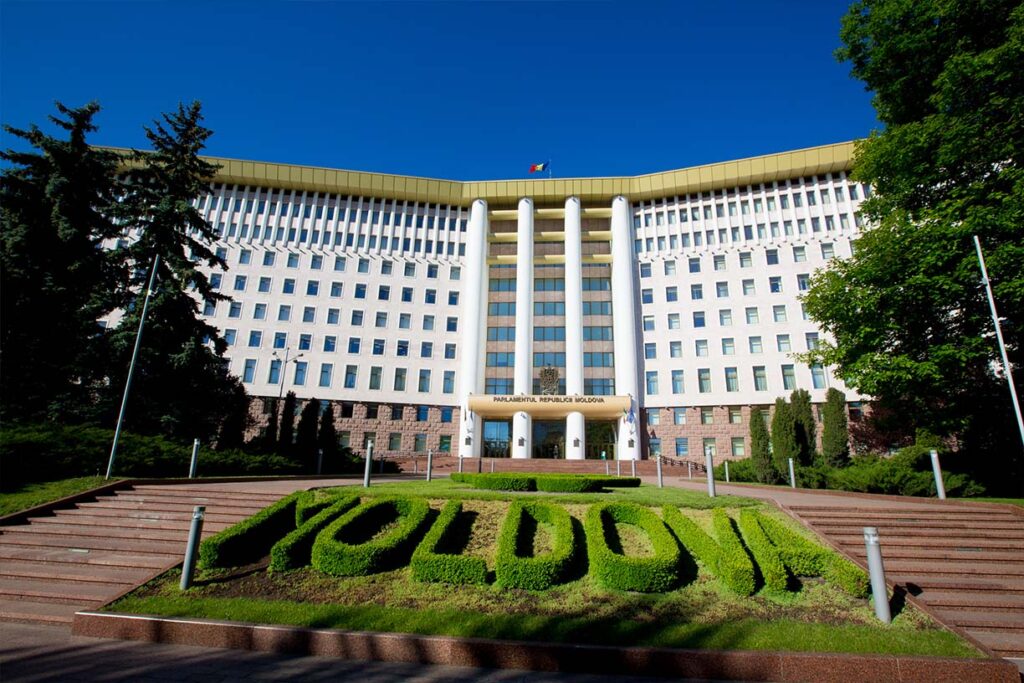

Moldova's Parliament voted on 2 April to denounce the founding agreements of the Commonwealth of Independent States, paving the way for the country's full withdrawal from the post-Soviet bloc, the Parliament reported. The Foreign Affairs Ministry initiated the move, citing Russia's repeated violations of the bloc's core principles. President Maia Sandu must now sign the law before the formal exit process begins.
Parliament votes to leave the CIS
Lawmakers voted to denounce the CIS founding agreement, its 1991 protocol, and the 1993 CIS charter. The Foreign Affairs Ministry argued that the bloc's fundamental values are no longer upheld — specifically the principle that member states recognize and respect one another's territorial integrity and the inviolability of borders.
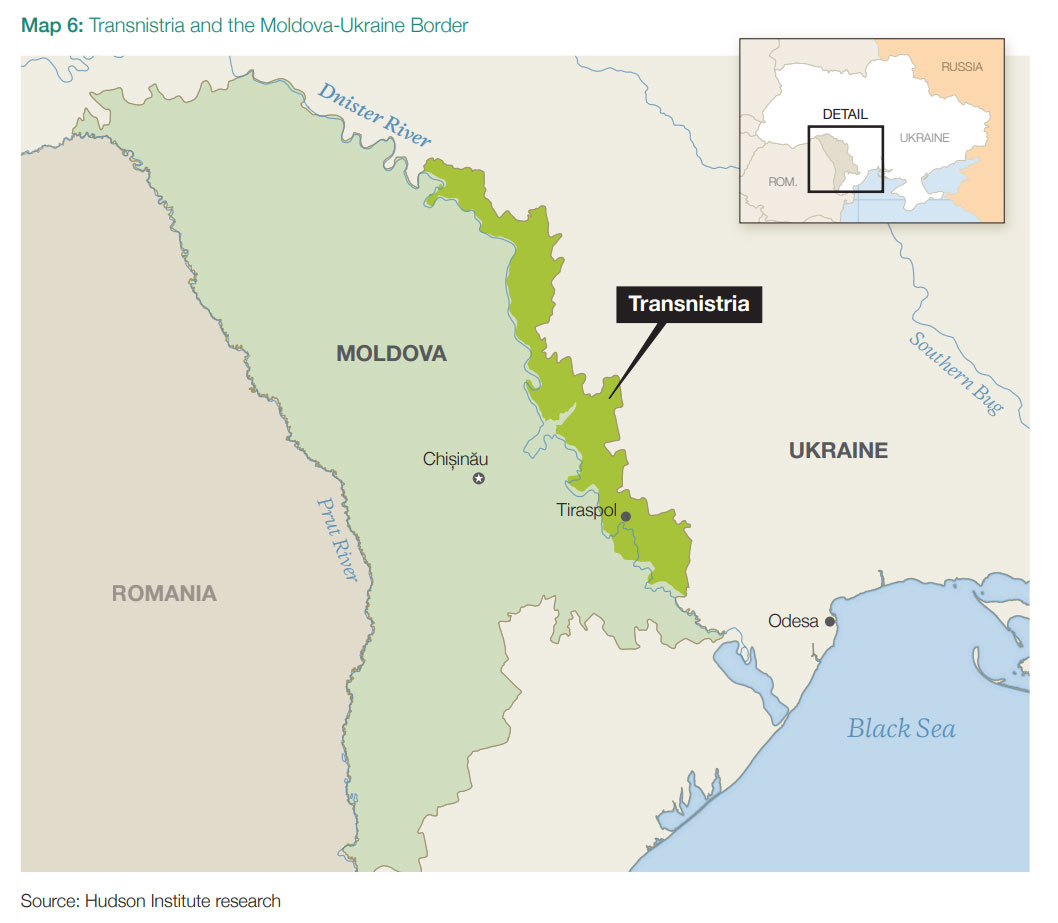
Chișinău cited three Russian violations of that principle: the war against Ukraine, acts of aggression against Georgia, and the illegal military presence on Moldovan territory. The latter refers to Russia's troops illegally stationed in Moldova's Transnistria region, controlled by Moscow since the 1990s.
The Ministry also described the denunciation as "a natural and inevitable step" toward EU membership.
The majority of deputies backed the legislation. Communists and Socialists voted against, demanding the question be removed from the agenda and warning of economic consequences for Moldova.
What comes next
After Sandu signs the law, Moldova notifies the CIS Executive Committee. Under the Vienna Convention, formal withdrawal takes effect 12 months after that notification.
Moldova has already denounced approximately 70 CIS agreements as part of an ongoing process of aligning its legislation with EU standards. Following the denunciation of the founding agreements, the country will remain party to some CIS treaties in commercial, economic, and social areas. Relations with member states will continue on bilateral and multilateral platforms.
The state budget will save approximately 3.1 million lei — around $160,000 — annually, the amount Moldova had been contributing to the CIS budget.
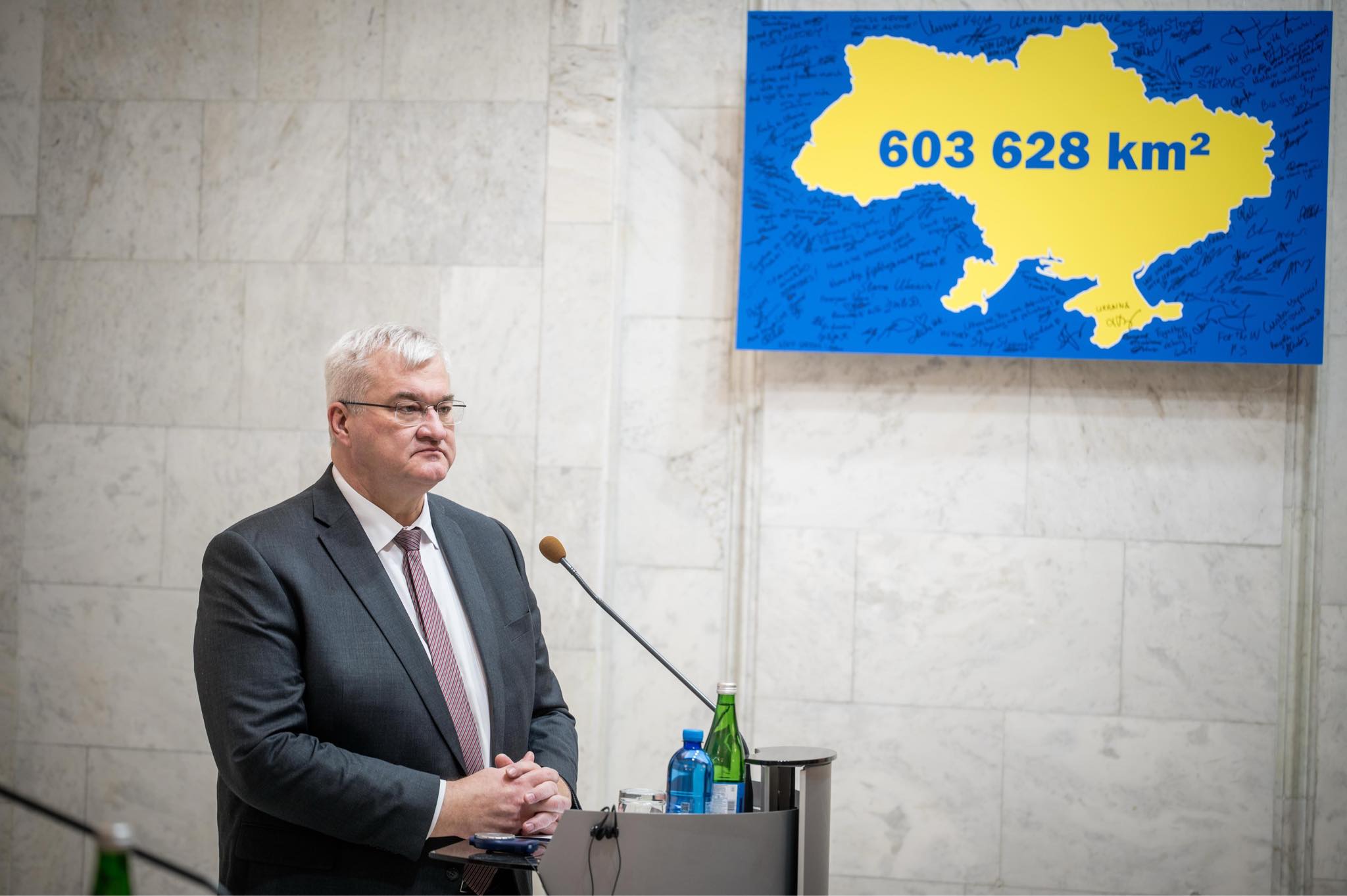
After four years of war, Ukraine formally tears up its last legal ties to Russia and the CIS
"An act of liberation"
When the first reading passed in March, Foreign Minister Mihai Popșoi described the departure in stark terms:
"Leaving the CIS is not an act of revenge, it is an act of liberation — the breaking of the last thread that keeps us anchored in a toxic, bitter past. It is a clear declaration: the Republic of Moldova is a sovereign, independent, and European state, not a piece on someone else's chessboard."
Read also
-
$10,000 per person: Moldova arrests 11 drivers in Ukrainian male smuggling network
-
Moldova’s plan for Russian-controlled Transnistria: squeeze it economically, replace the separatist regime with an international administration
-
Moldova to exit from Russian-led CIS bloc by mid-February, says foreign minister