THE JUNGLE AND THE HIGH LIFE: How the Ruparelia Empire is Weaving Conservation into the Fabric of Ugandan Tourism
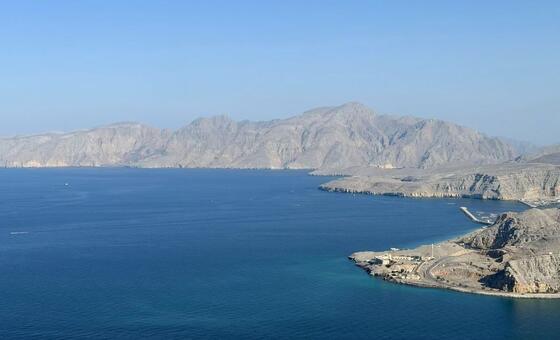
NGAMBA ISLAND—The journey to one of East Africa’s most vital primate sanctuaries begins at the Marina dock of the prestigious Speke Resort Munyonyo. From there, a high-speed boat cuts through the waters of Lake Victoria, embarking on a 38-kilometer cruise toward Ngamba Island Chimpanzee Sanctuary.
Roughly twenty minutes into the boat ride, travelers pass a striking new landmark rising from a private 24-acre oasis: Paradise Island Resort. The exclusive eco-luxury retreat—the latest crown jewel in billionaire Dr. Sudhir Ruparelia’s ever-expanding hospitality portfolio—serves as a fitting prelude to the journey ahead. It represents the pinnacle of modern, sustainable luxury. Yet, on a recent, sun-drenched Saturday afternoon, the Ruparelia family cruised past their new resort to reinforce a different kind of legacy—one measured not in concrete and cottages, but in wildlife conservation.
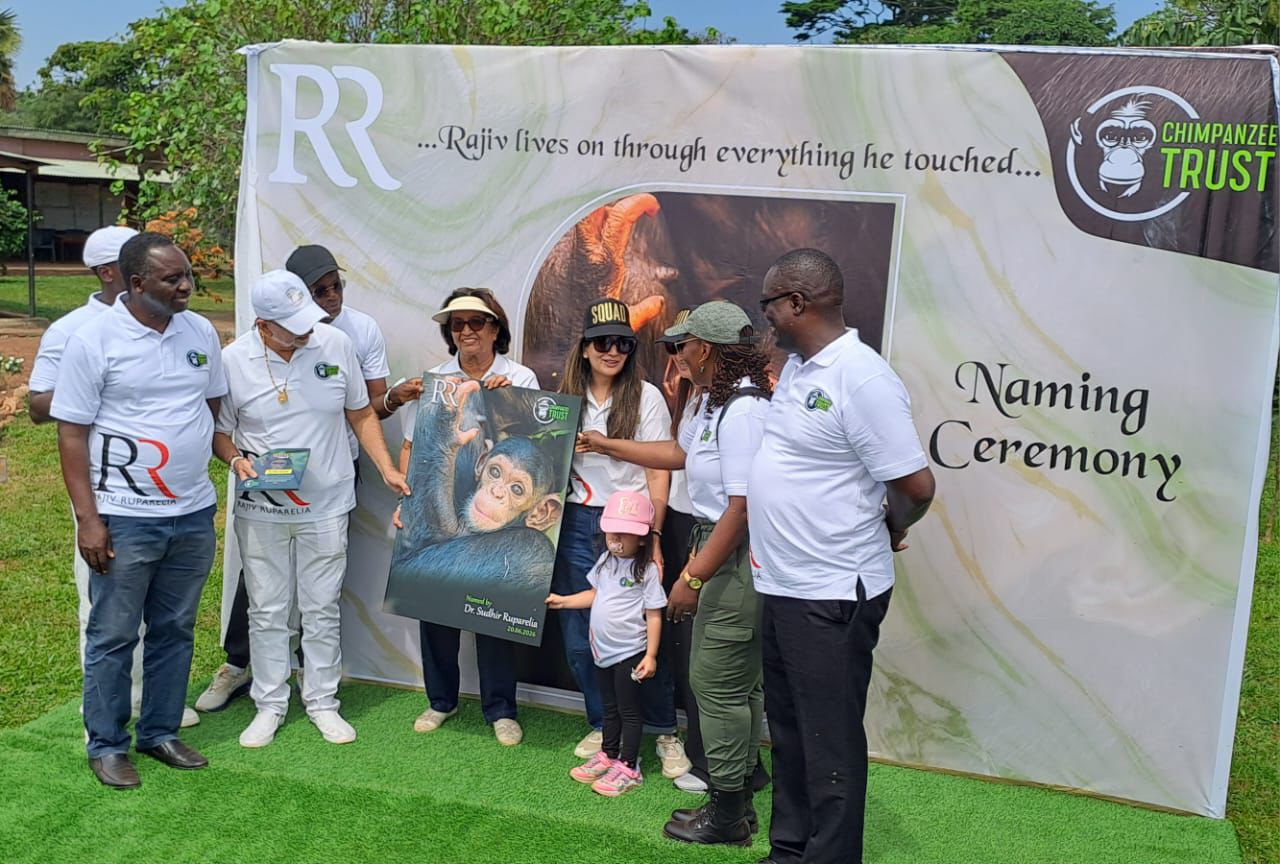
For Sudhir, this weekend getaway to Ngamba Island was an deeply emotional convergence of family history, grief, and a lifelong commitment to the wild heart of Uganda. Surrounded by his wife Jyotsna, his daughters Meera and Sheena, and his grandchildren, the real estate and hospitality mogul officially named a seven-month-old infant chimpanzee “RR”—short for Rajiv Ruparelia.

The naming ceremony served as a living tribute to Sudhir’s son, Rajiv, the former Managing Director of the Ruparelia Group, who tragically passed away in a car accident in May 2025. Rajiv was a fiery champion of Ugandan wildlife, a man who believed those blessed with commercial opportunity carried an absolute duty to protect the vulnerable. Along with the naming of baby RR, the family, through the Ruparelia Foundation, handed over a UGX 50 million cheque to the sanctuary to ensure the care, rehabilitation, and feeding of the island’s orphaned primates.
“By naming this chimpanzee in his honour, we are not only remembering Rajiv,” Sudhir noted softly during the visit. “We are extending his spirit of care, kindness, generosity, and responsibility into the future.”
This island ritual is the entry point into a much larger, multi-generational story. While the Ruparelia name is synonymous with the glitz and commerce of Uganda’s multi-million dollar leisure sector, the family has quietly built a circular economy where the profits of urban luxury directly fuel the preservation of Uganda’s natural ecosystem.
A Full-Circle Ecosystem: From Nightlife to Wildlife
To understand the Ruparelia family is to understand the literal infrastructure of modern Ugandan tourism. Through their sprawling business conglomerate, they dominate nearly every major touchpoint of the traveler’s journey.
On the mainland shores, the iconic Speke Resort and Convention Centre in Munyonyo stands as the undisputed hub of Uganda’s high-level international diplomacy and MICE (Meetings, Incentives, Conferences, and Exhibitions) tourism. In downtown Kampala, their footprints cover the pulse of the city’s premium lifestyle—from the upscale rooms of Boulevard Suites and Speke Apartments to high-end events, elite catering, and curated food and wine experiences that attract regional and global travelers.
Yet, what separates the Ruparelia empire from typical commercial hospitality is their understanding that luxury cannot thrive in a vacuum. It requires an engine of trained professionals and a pristine natural environment to sustain it.
To address the human resource gap, the family established Victoria University as an educational powerhouse. Instead of treating tourism as an instructional afterthought, the university pioneered specialized hospitality, culinary, and tourism management programs as flagship courses. By professionalizing the industry from the ground up, they are training the next generation of hoteliers, tour operators, and chefs who will shape the traveler experience across East Africa.

The Private Sector as a Conservation Shield
The true depth of the family’s legacy, however, lies in how they funnel the rewards of this commercial success back into the wilderness. For decades, Sudhir Ruparelia has been a critical pillar for conservation institutions like the Uganda Wildlife Conservation Education Centre (UWEC) in Entebbe (popularly known as the Entebbe Zoo) and Ngamba Island.
When the COVID-19 pandemic struck and tourism collapsed overnight, Uganda’s wildlife sanctuaries faced a quiet, terrifying starvation crisis. It was Sudhir who stepped forward with millions of shillings to purchase food for the animals. Decades ago, he even bought the very land on which a portion of the Ngamba sanctuary sits and donated it to the trust. The family’s partnership with the island runs so deep that nearly ten years ago, they adopted another chimp, naming him “Rupa.”
This commitment extends across species; one of Rajiv’s proudest moments was seeing a young rhino at the Ziwa Rhino Sanctuary named “Rae Ruparelia,” after his own daughter.
A Lasting Legacy
By linking Uganda’s glitziest entertainment, fine dining, and elite hospitality directly to the survival of the country’s most vulnerable species, the Ruparelias have redefined what it means to be a tourism stakeholder.
For the Ruparelia family, conservation is clearly no longer just a corporate social responsibility checkbox—it is a deeply personal family mandate passed down through the generations. As the young chimp RR swings through the canopy of Ngamba Island, backed by the family’s financial protection, it stands as a testament to a powerful reality: the same family hosting Uganda’s grandest conferences and finest nightlife is ensuring that the country’s oldest wild lineages still have a home.
The post THE JUNGLE AND THE HIGH LIFE: How the Ruparelia Empire is Weaving Conservation into the Fabric of Ugandan Tourism appeared first on Watchdog Uganda.