The Greatest Moments in American History

1776
Declaration of Independence
The one that started it all—the reason we’re celebrating a semiquincentennial. The Founders “embrace[d] a world-quaking creed that values individual freedom and the rights of man over heredity, might, or wealth,” writer and historian John A. Farrell noted.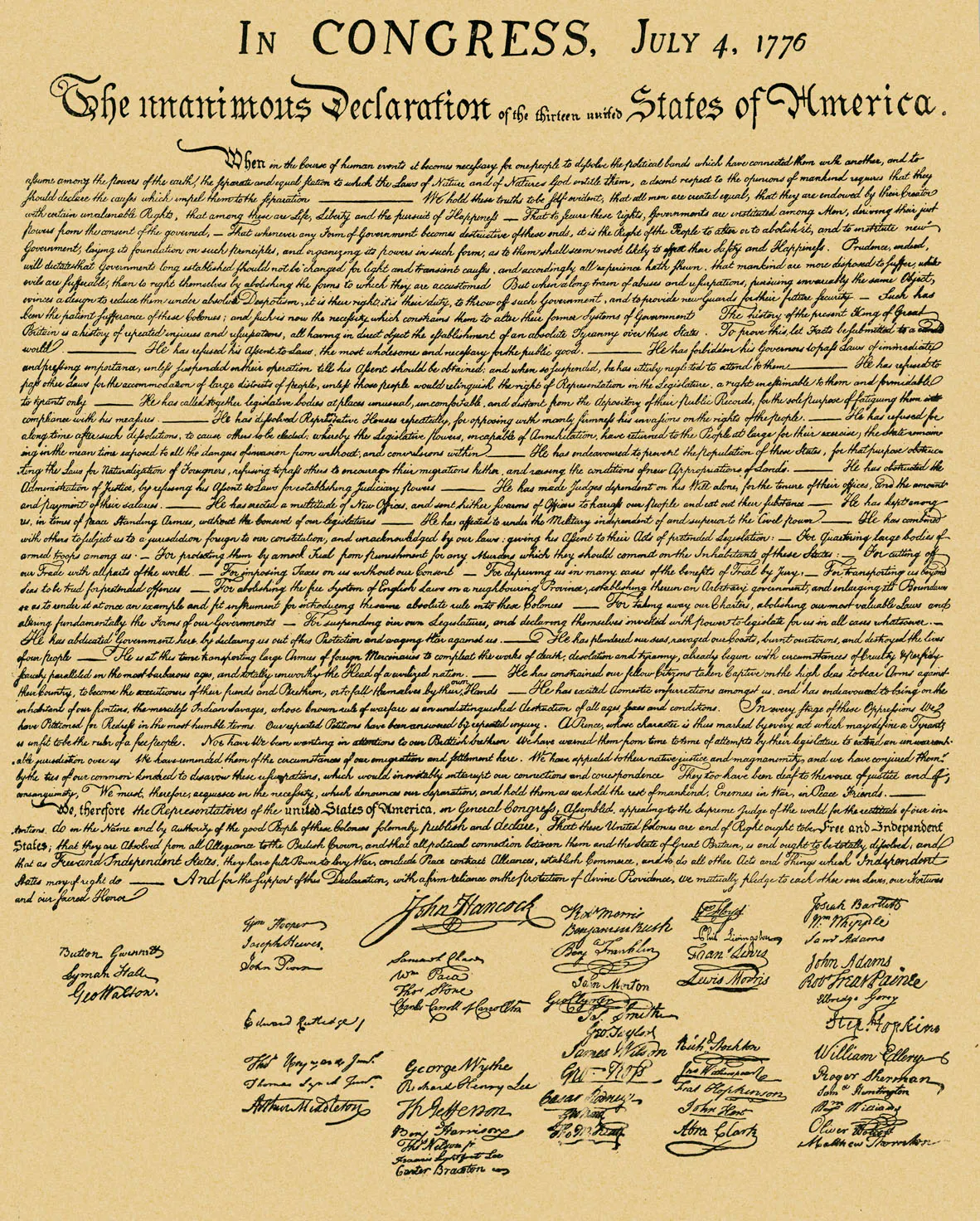
1787
The Constitution
An imperfect document (both because the framers tacked on 10 Amendments soon after and because of its slavery compromises), it was the result of a host of compromises that produced some epic arguments at the Constitutional Convention. Still, it created a flexible and enduring system.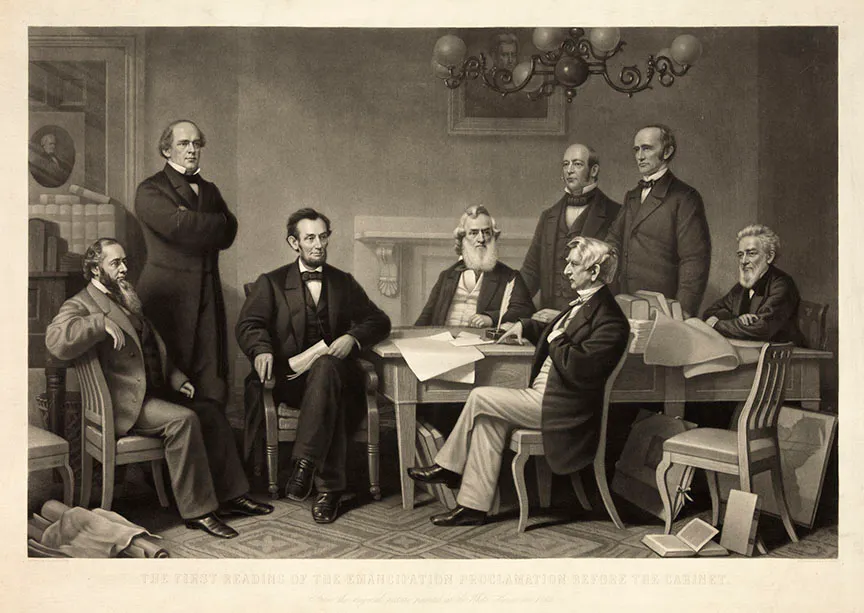
1863
Emancipation Proclamation
Lincoln’s declaration didn’t immediately liberate anyone, but it made “the U.S. Army into a force for liberation,” University of California, Davis historian Eric Rauchway pointed out. “Every step a U.S. soldier took into rebel territory afterward created free soil and free people.”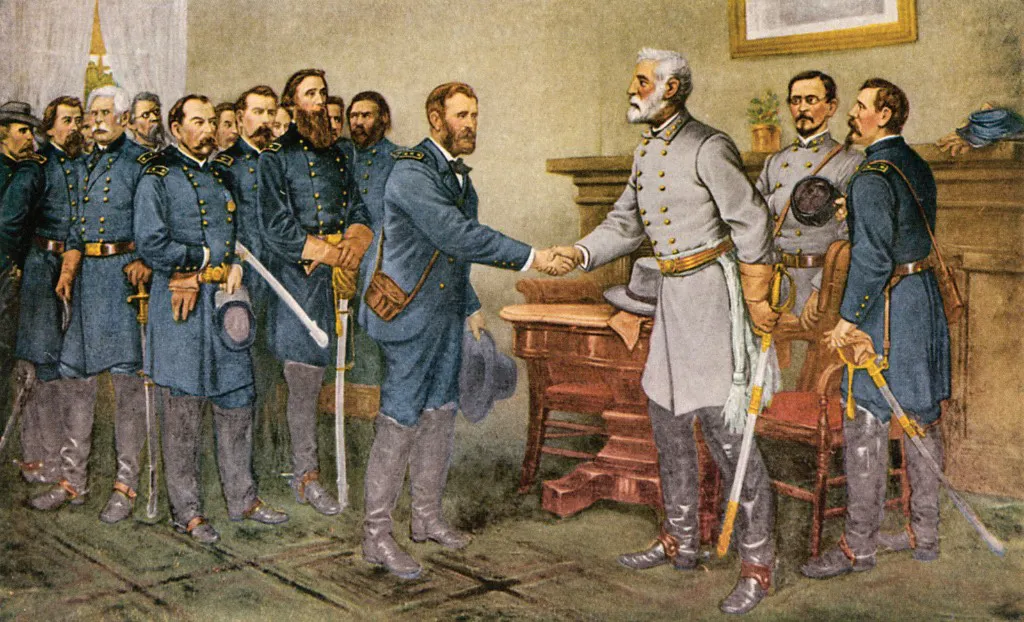
1865
Victory in the Civil War
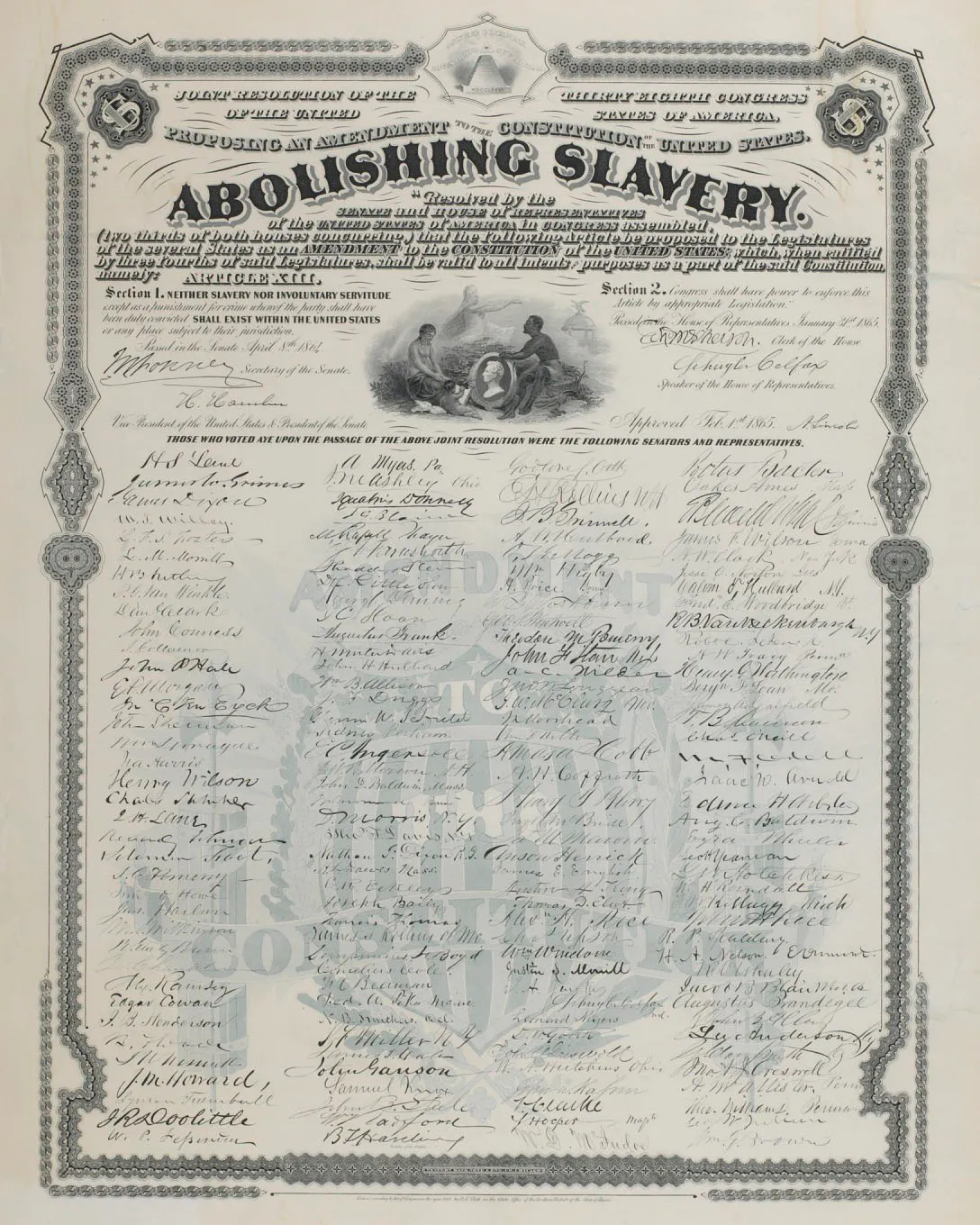
The Union prevailed in what was not only an existential fight but also a contest to define the nature of freedom and start to expiate the nation’s original sin, slavery. It came at the price of more than 600,000 dead, and the assassination of our greatest president.
1865–1870
Reconstruction Amendments
Yes, it took a while for the Thirteenth, Fourteenth, and Fifteenth Amendments to achieve their full potential (OK, we’re still waiting), but they ended slavery while dramatically expanding all Americans’ rights.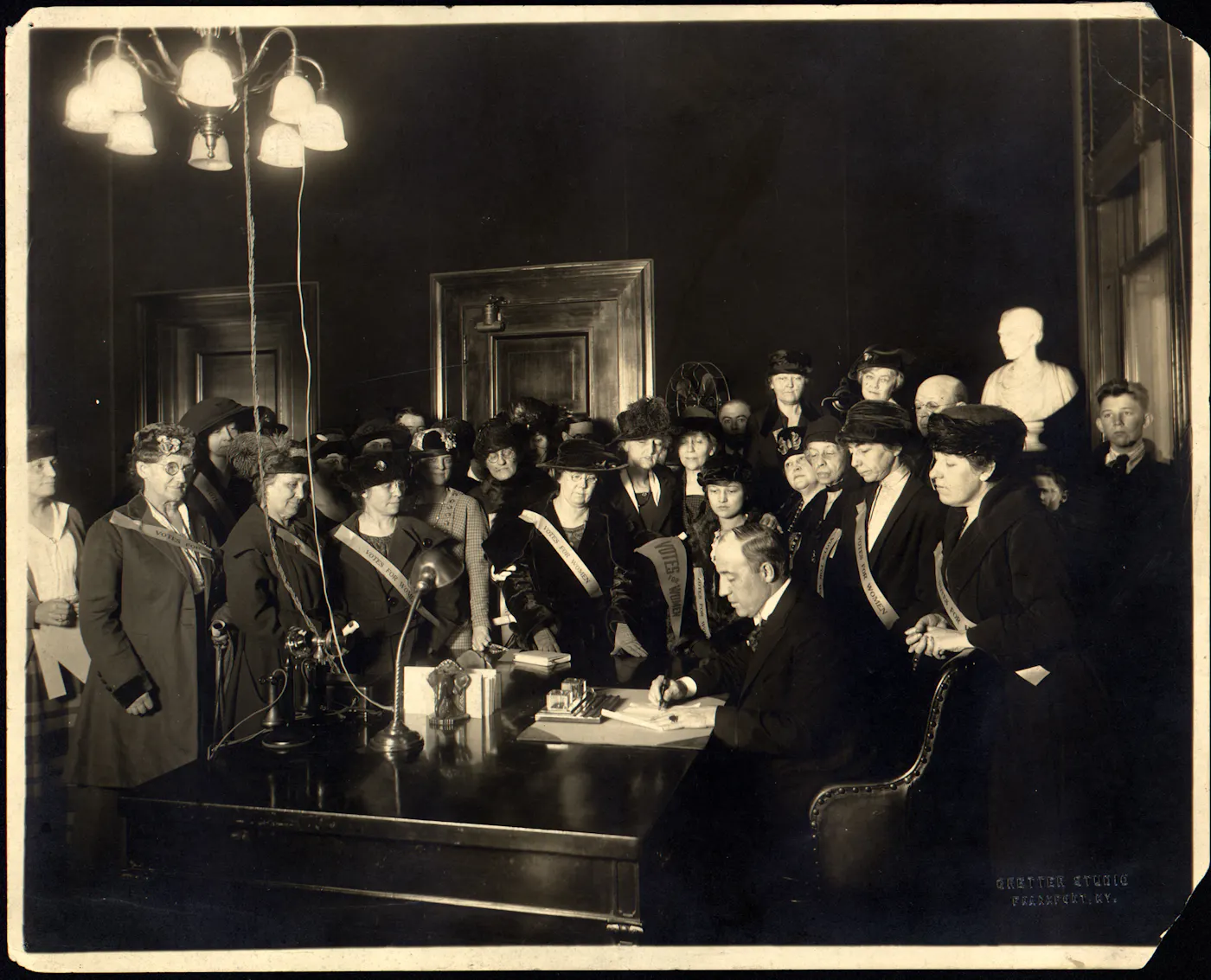
1920
Nineteenth Amendment
It’s strange to think that guaranteeing in the Constitution a woman’s right to vote was once a controversial idea. It’s even weirder to realize that there are still people around who think of it that way.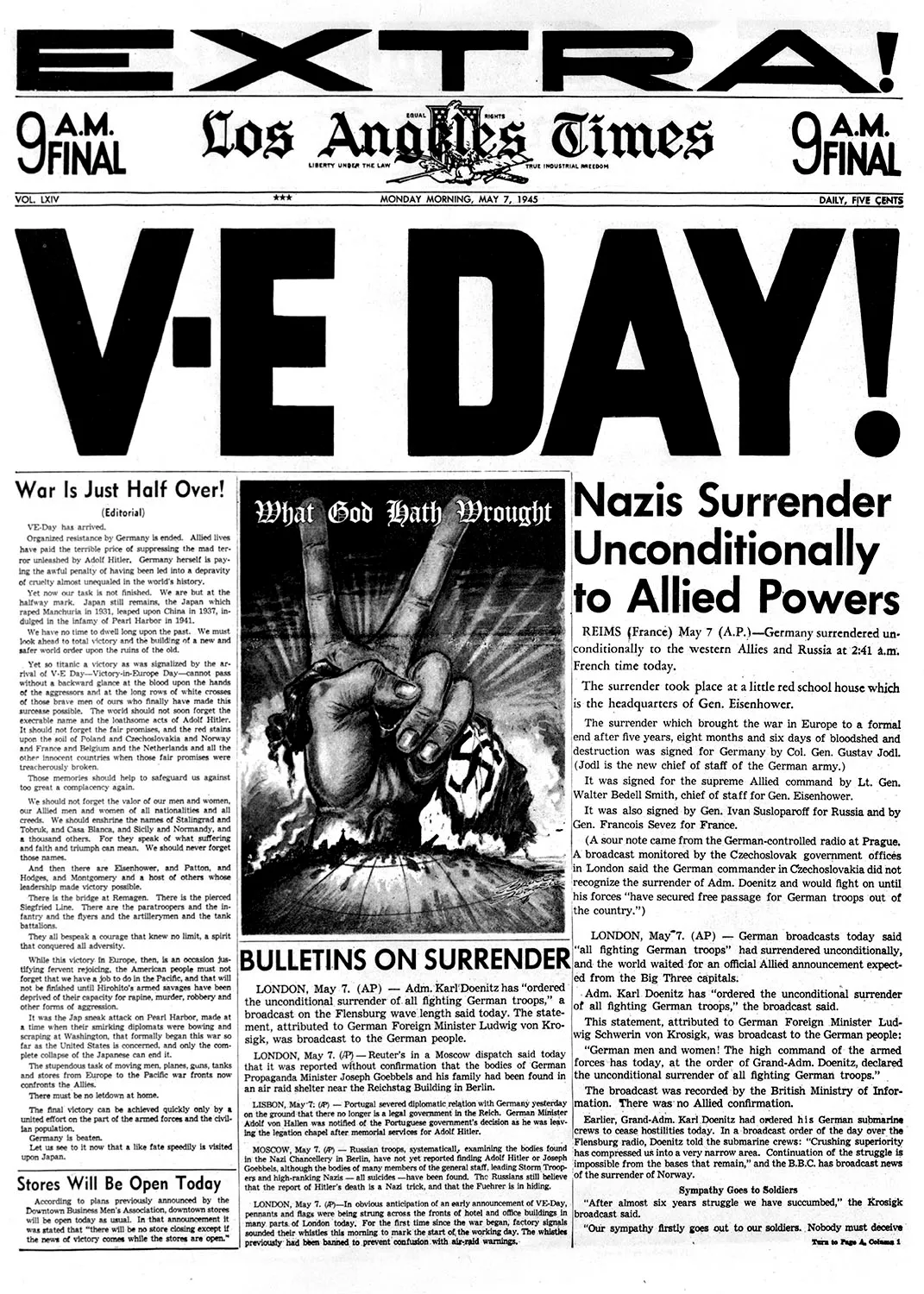
1945
Victory in World War II
The United States led the original forces of antifa, liberating the globe and establishing itself as the moral and political leader of the free world. Hitler’s declaration of war on the United States was considered by many to be a huge mistake. We made him pay.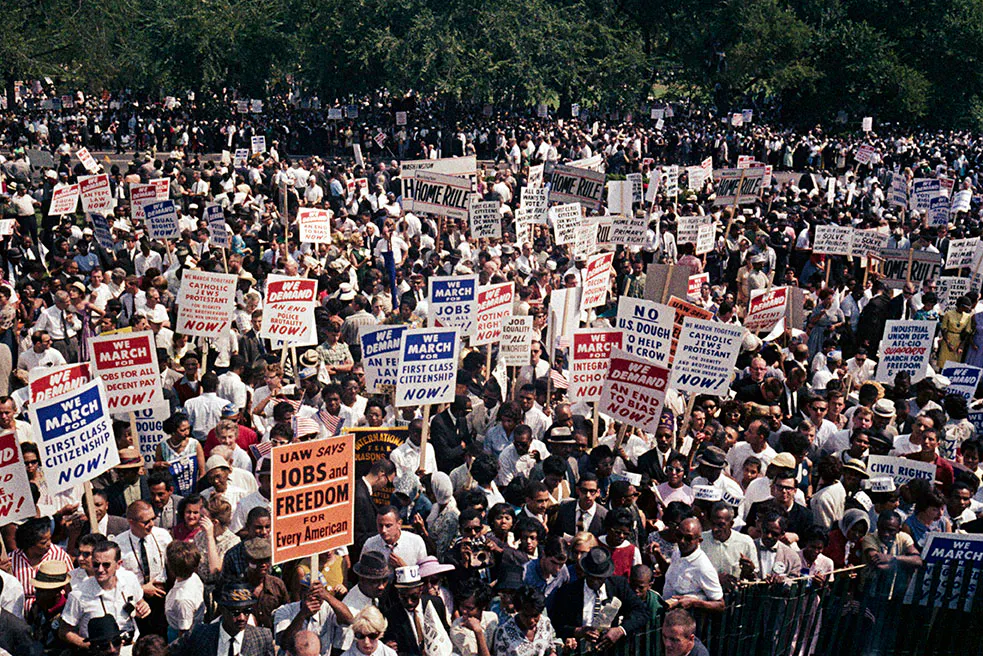
1963
March on Washington for Jobs and Freedom
Capped by Martin Luther King Jr.’s “I Have a Dream” speech, this August 1963 event attracted a quarter-million attendees and countless more watching on television. King’s moral and rhetorical might helped galvanize the nation.
1964–1965
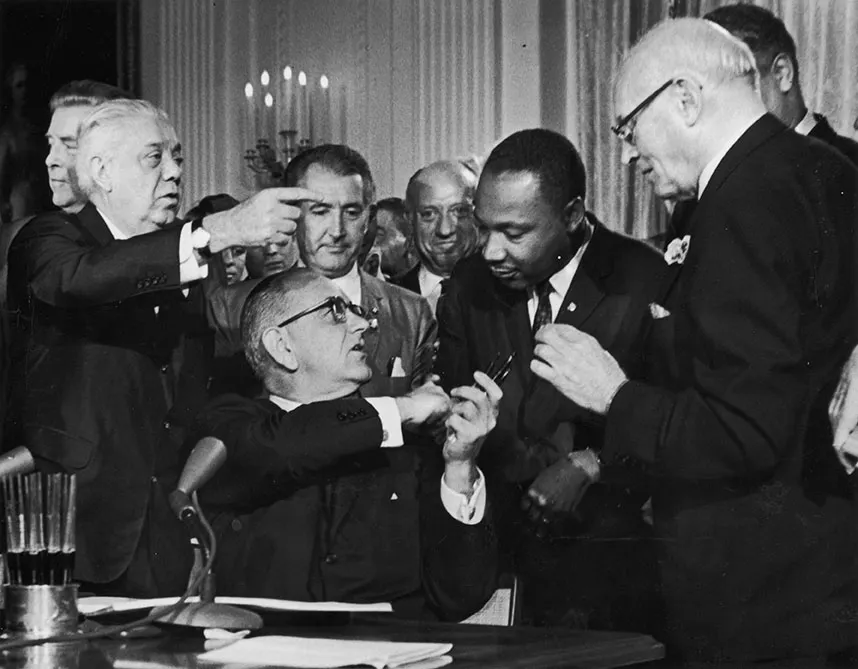
Civil/Voting Rights Acts
A century after the Civil War, Lyndon Johnson signed the Civil Rights Act (1964) and the Voting Rights Act (1965), laws that “actually began to fulfill the failed promise of the Union victory,” said Vanderbilt University political scientist John Sides.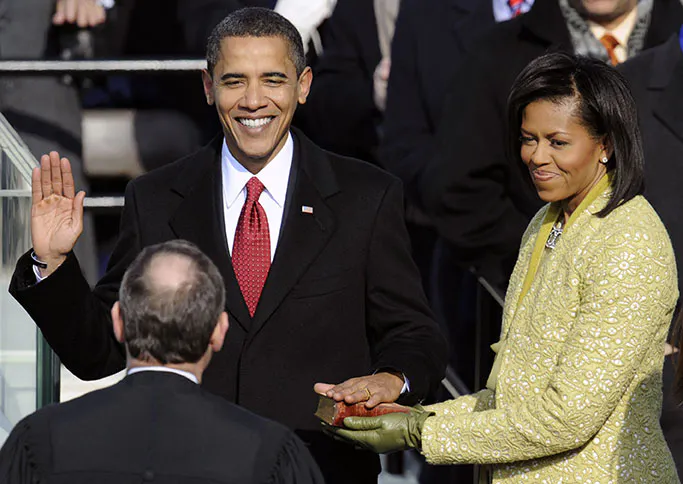
2008
Election of Barack Obama
By becoming the first African American to achieve the nation’s highest office, Obama became a living embodiment of our Union bending toward greater perfection.