The Debate: Should the resignation of the Prime Minister trigger a general election?
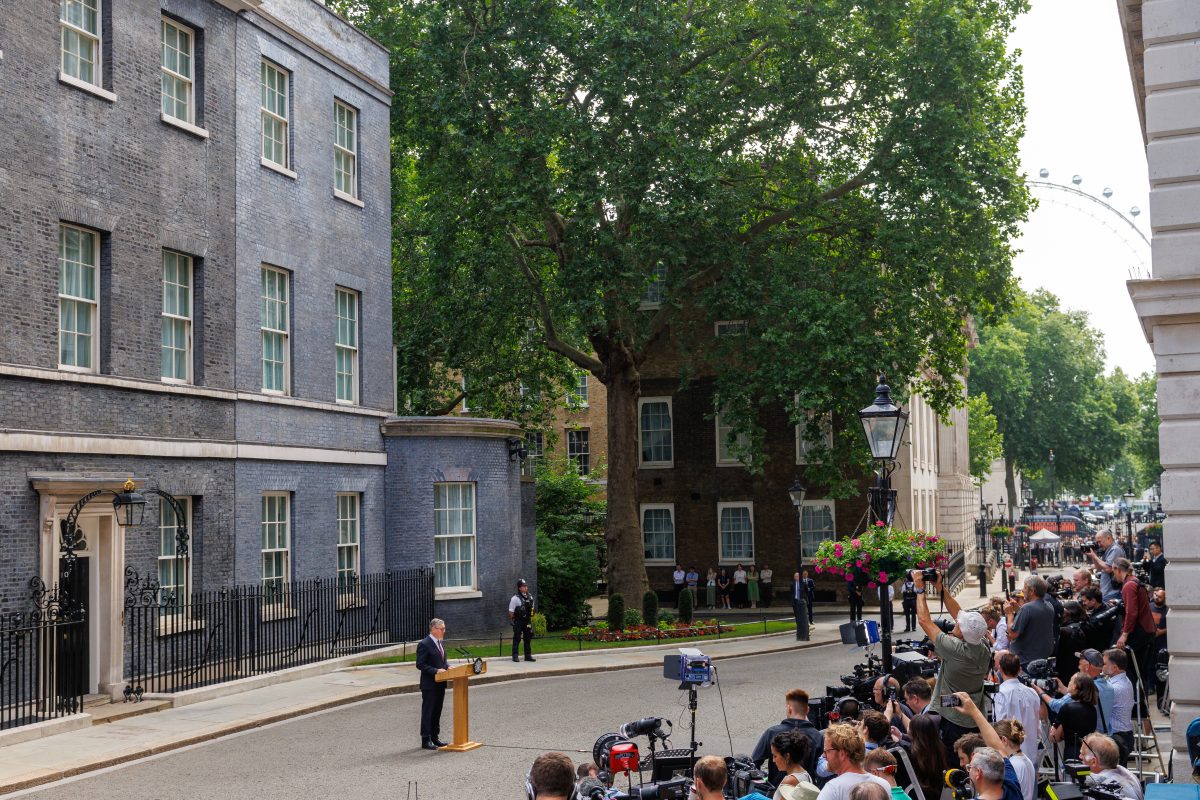
As prime ministerial resignations have accelerated, so too have calls for consequent snap elections. We explore the pros and cons of such an idea in this week’s Debate
YES: Building in the threat of a general election will focus of minds of trigger happy MPs
The British political landscape is starting to resemble the Premier League management merry go round. We are dispatching with Prime Ministers at an alarming rate. It has become normalised and seen as an occupational hazard.
India, a global superpower, has had one Prime Minister in the past 10 years – we are now about to get our seventh.
Events drive pretty much everything in UK politics. Short termism and reactive decision making has been fuelled by the explosion of social media where some politicians have made the fatal mistake that algorithms that magnify outrage reflect public sentiment. They don’t. People rarely go online to express their overwhelming support for a government policy. And most people are too busy working to spend all day being keyboard warriors.
All governments are going to be unpopular at some point in the electoral cycle. It would be best if they were disincentivised from deposing their leaders in a panic response. David Cameron was 15 points behind Labour in 2012 yet went on to win a majority in 2015. You cannot affect radical change in two years. Tackling the systemic problems of sluggish growth and a creaking welfare system are going to require long-term solutions which at times will be painful and require politicians to hold their nerve.
We are now back to square one. We will soon have a new Prime Minister with a fresh agenda that looks like it will be markedly different from Keir Starmer’s tenure. With no mandate what can they achieve in three years? Can you imagine a successful FTSE 100 ploughing through seven CEOs in the space of 10 years?
Building in the threat of a general election will focus the minds of those trigger happy MPs who have become far too comfortable deposing leaders with strong electoral mandates.
Giles Kenningham is a former Number 10 adviser and founder of Trafalgar Strategy
NO: It would entrench the power of the leader over the party; a gift to creeping presidentialism
On a basic level, the resignation of a Prime Minister should not trigger a general election because general elections do not elect prime ministers in the first place. This must be clear beyond misunderstanding: Sir Keir Starmer is the 58th Prime Minister since Sir Robert Walpole took office in 1721, and in the intervening 305 years, no Prime Minister has ever been “elected” nor had a formal “mandate”.
That is not how the system works. The argument already being heard that “we didn’t vote for Andy Burnham” is easily rebutted: well, you didn’t vote for Sir Keir Starmer either.
The Prime Minister is formally appointed by the King, but in modern practice he or she needs only one qualification: the ability to command a majority in the House of Commons. Under almost all circumstances, that person will be the leader of the largest party in the House and therefore of the party which won the most recent general election. But that election does not choose the Prime Minister, it chooses 650 members of parliament in 650 separate polls.
The idea of having a “mandate” is really an alien one to our political culture. Parties produce manifestos containing specific commitments and a general indication of ideological tenor, but they are not contracts. Parties can and do break those commitments, sometimes justifiably, and must account for that at the following election. But they must also have the flexibility to govern in changing circumstances over the course of a parliament.
Tying the resignation of premiers to general elections is not just inaccurate but damaging: it identifies the government collectively with the individual Prime Minister, a gift to the creeping “presidentialism” many deplore. It would entrench the power of the leader over the party. If you think we need more centralised authority and a stronger head of government, argue for it. But don’t hyperventilate over your own false reading of the constitution.
Eliot Wilson is a writer and historian
THE VERDICT
As prime ministerial resignations have become routine, so too have the calls for “snap elections” immediately thereafter. This time, as Keir Starmer paved the way for the UK’s seventh PM in 10 years, it was Nigel Farage that duly obliged. While few presumably possess the desire to have had six additional elections in the last decade, it is understandable why many are drawn to the “we didn’t vote for this” line of reasoning. It is also naturally alluring to dream of a parliament that is properly disincentivised from occupying itself with party politics rather than governance, as the threat of a general election would surely do. Even so, we must ultimately give in to Mr Wilson’s compelling pedantry.
As he explains, to say we didn’t vote for this is simply incorrect. Under Britain’s current parliamentary system, we consent to being ruled by our MPs and their party rules rather than a particular individual, putting a greater emphasis on ideas, not leaders. And that is something we would be remiss to get rid of that too hastily.