
Some 42% of Germans favor Ukrainian territorial concessions to end war – poll
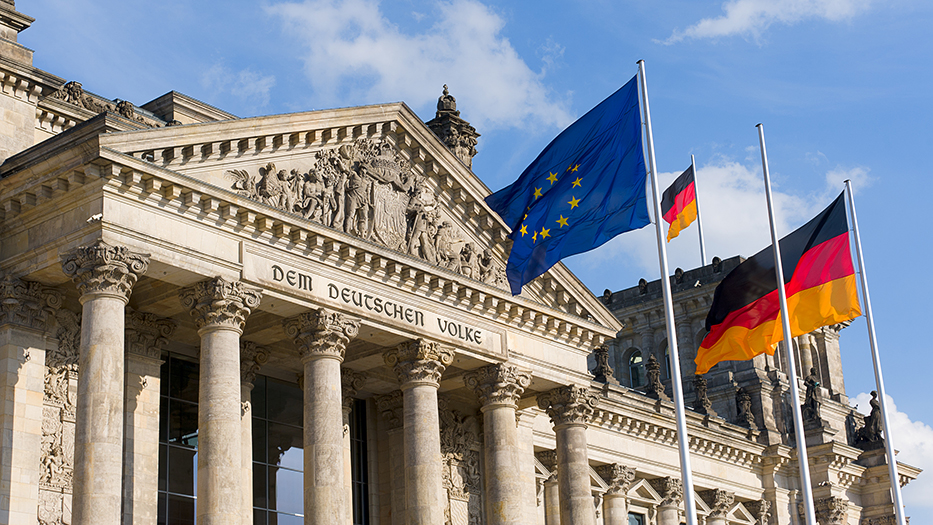
German public opinion is split on whether Ukraine should surrender occupied territories to end the war, according to a ZDF Politbarometer survey conducted ahead of a planned Trump-Putin meeting in Alaska.
The poll, conducted by telephone and online among 1,370 randomly selected voters between 11-13 August 2025, found 42% believe Ukraine should give up parts of its territory if this would end the war. However, a slightly larger group—45%—think Ukraine should continue fighting to liberate these territories. The remaining 13% responded “don’t know.”
The survey comes before the scheduled meeting for 15 August between US President Donald Trump and Russian President Vladimir Putin in Alaska to discuss the Ukraine war. Only 13% of Germans believe Trump can broker a ceasefire between Russia and Ukraine during this encounter, while 84% doubt such an outcome.
Germans show profound skepticism toward Putin’s intentions. Just 14% consider the Russian president genuinely interested in a lasting ceasefire, while 82% reject this notion. The distrust spans across party lines, with “different-sized majorities in all party affiliations” expressing doubt, according to the survey.
An overwhelming 89% of respondents consider it important or very important that Ukraine and President Volodymyr Zelensky participate directly in talks between Trump and Putin to achieve a lasting ceasefire. Only 9% view Ukrainian participation as unimportant.
Ukrainian President Zelenskyy recently confirmed he will not accept any territorial concessions in possible peace negotiations and “will be guided by the Constitution.” US President Trump has “expressed dissatisfaction” with these arguments from Zelensky.
The survey reveals the complexity of German public opinion as diplomatic efforts intensify to resolve the conflict that has lasted since Russia’s full-scale invasion began.
Read also
-
One million shells in eight months — Czech ammo push for Ukraine reaches milestone as Trump–Putin talks loom
-
Ukraine swapped 84 prisoners with Russia — and got its legendary minesweeper captain back
-
Security guarantees without NATO? Trump’s Ukraine plan draws cautious optimism and concern before his Putin summit