Ryanair intends rapid return to Ukraine after war with 25-route network plan
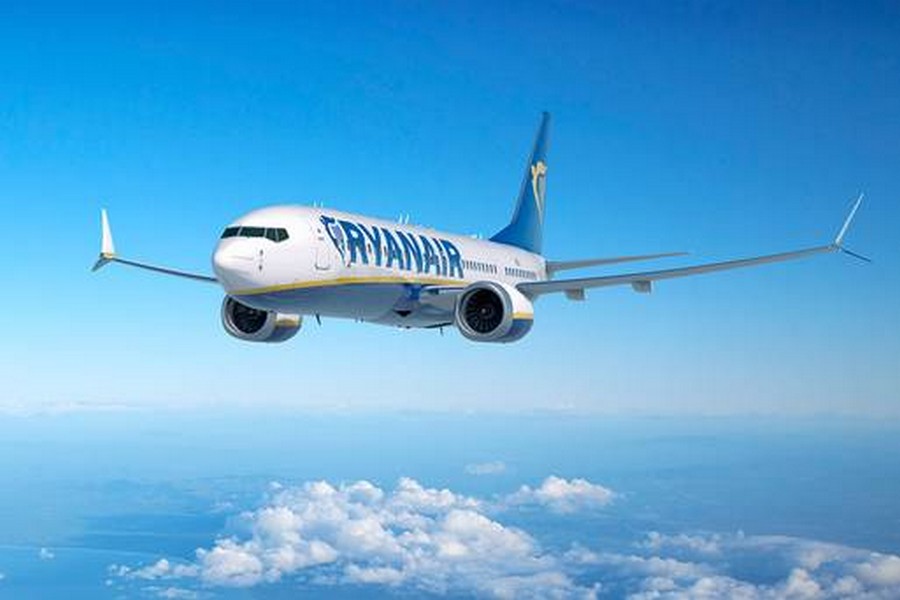
Michael O’Leary, Ryanair’s chief executive, told The Independent that the company wants to be the first airline back into Ukraine if Russia’s war ends.
Civil aviation ceased its flights over Ukraine on the day the war began, 24 February 2022. Currently, the EU Aviation Safety Agency reports that the country’s airspace and critical infrastructure, including airports, are exposed to military activity that poses risks to the safety of civilian aircraft. In particular, there is a risk of both deliberate targeting and mistaken identification of civilian planes.
“We want to be the first airline back into Ukraine, and we have a plan to run about 25 routes to and from Kyiv and Lviv within six weeks of the sky reopening. We need the six weeks just to fill those flights,” said O’Leary.
If a peace agreement is reached, the ban on flights to, from, or over Ukraine could be lifted soon afterward.
Michael O’Leary said that Ryanair plans to station five of its planes at bases across Europe – one each at Stansted, Dublin, Brussels, and Milan. Then, for example, the route from Stansted to the Canary Islands might be canceled, and that aircraft would be reassigned to Lviv or Kyiv.
He added that there are currently about 14 million Ukrainians scattered throughout Europe who haven’t seen their friends and families for three years due to the war, so the company expects a significant influx of passengers.
Ryanair’s CEO noted that although Odesa Airport has been affected, Lviv and Kyiv could quickly be ready to handle passengers.
Before February 2022, Ryanair had planned to expand its operations in Ukraine in the summer of 2022, including launching its first flights from London Stansted to Odesa on the Black Sea.
Related:
- Zelenskyy: Ukraine needs nuclear weapons if NATO entry takes decades
- Ukraine plans Trump team meetings amid US push for peace
- Trump wants Ukraine’s rare earth minerals in exchange for continued aid
- Trump’s peace deal for Ukraine is limited to a ceasefire – and it’s not even clear if Kyiv or Moscow are going to play ball
You could close this page. Or you could join our community and help us produce more materials like this.
We keep our reporting open and accessible to everyone because we believe in the power of free information. This is why our small, cost-effective team depends on the support of readers like you to bring deliver timely news, quality analysis, and on-the-ground reports about Russia's war against Ukraine and Ukraine's struggle to build a democratic society.
A little bit goes a long way: for as little as the cost of one cup of coffee a month, you can help build bridges between Ukraine and the rest of the world, plus become a co-creator and vote for topics we should cover next. Become a patron or see other ways to support.