
Russia’s strike drones now fly with escorts – as Ukraine’s interceptors tear through stocks
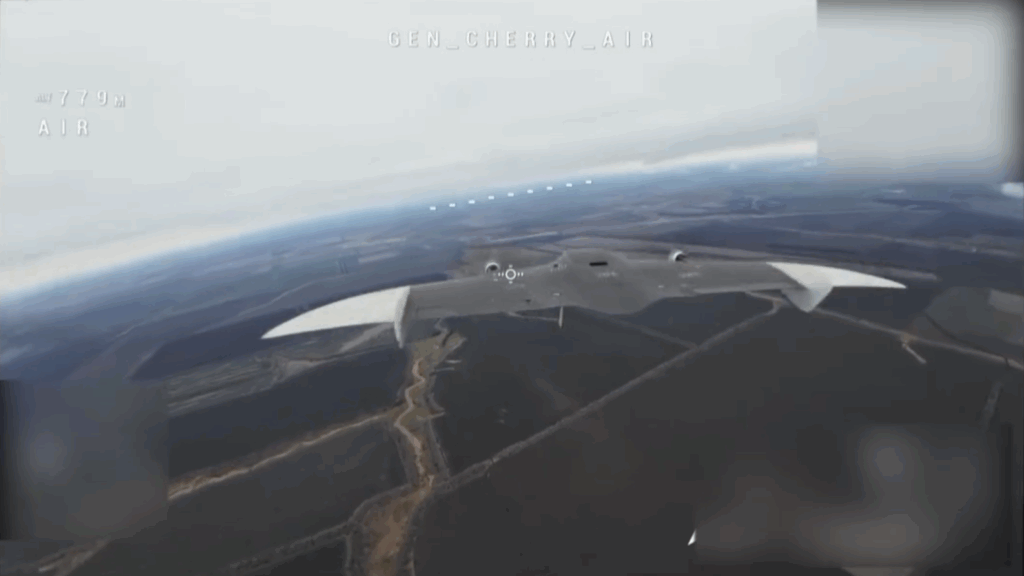

Russian forces are increasingly relying on cheaper reconnaissance drones and introducing escort tactics for strike UAVs in response to losses from Ukrainian interceptor systems, according to Militarnyi.
Ukraine’s interceptor drone units are becoming more consistent and coordinated in engaging Russian UAVs along the front, increasing interception rates and tightening the conditions under which Russian reconnaissance drones can operate.
A Ukrainian anti-aircraft drone unit commander told Militarnyi that Russian reconnaissance drones now rarely cross the line of contact in the same way as earlier in the war, with activity sharply reduced due to interception losses.
Escorting strike drones with interceptors
The commander describes a new practice of pairing strike drones with additional UAVs designed to engage Ukrainian interceptor drones during attack runs.
These escort drones are intended to disrupt interception attempts and increase the chance that strike UAVs reach their targets. The result is a layered formation combining reconnaissance, strike, and counter-interception roles within a single mission package.
Recon drones forced into high-altitude, short-duration flights
Russian reconnaissance UAVs are now operating at higher altitudes and for shorter periods when crossing into Ukrainian-controlled airspace.
Systems such as the Orlan-10, once widely used for frontline reconnaissance, are now used more cautiously, often limited to brief “in-and-out” missions or high-altitude passes above the effective engagement range of interceptor drones.
According to the report, crews increasingly treat deeper reconnaissance flights as near-expendable, with a high probability of being shot down once they cross deeper into contested airspace.
Shift toward lower-cost UAVs
Militarnyi reports a growing shift toward cheaper reconnaissance platforms, including systems such as “Knyaz Veshchiy Oleg” and reconnaissance versions of the Molniya-2 strike drone.
These systems are being used more widely as Russian forces adapt to sustained losses, prioritizing volume and affordability over survivability and range.
Higher-end drones such as ZALA systems are still in use, but are described as more difficult to intercept due to improved maneuvering and signal-awareness capabilities.
Adaptation under sustained losses
Militarnyi frames these changes as a direct response to increased Russian UAV losses caused by Ukrainian interceptor drones.
Rather than restoring previous reconnaissance reach, Russian forces are adapting through lower-cost platforms, higher drone volumes, and protective escort tactics – maintaining operational output while operating in a more contested and constrained air environment.
Read also
-
Ukraine intensifies strikes on Crimea supply routes with renewed hit on Henichesk Strait bridge and rear logistics network
-
Ukrainian firms court Asian militaries, pitching combat-proven drones as China–Taiwan tensions drive demand – Reuters
-
Partisan sabotage forced an emergency shutdown of drone production at Russian defense plant, ATESH claims