
Russia’s 1,392-vessel shadow fleet is now hybrid-warfare tool. It will continue as long as its export capacity remains unharmed
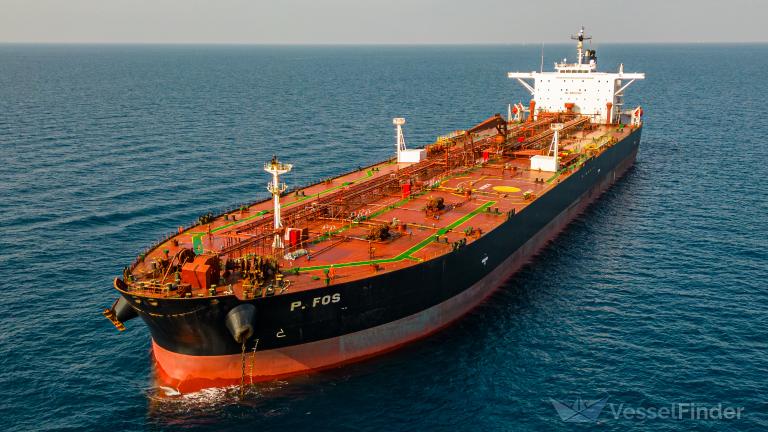
Russia is using its sanctions-busting "shadow fleet" to circumvent oil-export restrictions and as infrastructure for hybrid warfare against NATO members. It includes documented links to cable cuts and drone launches over critical European installations, and Russian state-military escorts protecting the vessels, conflict-monitoring nonprofit ACLED says, according to Newsweek.
The fleet, comprising around 1,392 vessels that carry up to 80% of Russia's crude oil maritime exports, according to Ukrainian government figures, is the financial backbone of Moscow's wartime economy.
Drone incidents that closed Danish airports
Finland's special forces seized the Eagle S, a Russian shadow-fleet oil tanker, in December 2024 after it dragged its anchor and severed critical undersea cables — the first time Finnish forces had boarded and seized a foreign ship since the Second World War, CBS News reported from its 60 Minutes investigation.
Finnish Prime Minister Petteri Orpo said the link between the shadow fleet and the cable cuts was "clear"; Russia denied involvement. The Eagle S was later sanctioned by the EU, the UK, and Canada.
In September 2025, Germany seized the Scanlark after allegations it had launched a reconnaissance drone over a German Navy frigate at the Kiel naval base, and French naval forces seized the sanctioned tanker Pushpa off the Danish coast during a wave of drone incidents that closed Danish airports, ACLED noted in its Newsweek briefing.
In May 2025, Polish Prime Minister Donald Tusk reported that a Russian shadow fleet ship was performing suspicious maneuvers near the cable connecting Poland and Sweden.
European response, layered but asymmetric
The underlying conditions remain. The maritime intelligence firm Windward documented 2,313 Russia-linked vessels visiting the Baltic Sea between February 2024 and February 2025, of which only 436 flew the Russian flag.
The European Union Agency for Cybersecurity (ENISA) has noted that more than 97% of global telecommunications traffic flows through undersea cables, supporting roughly $10 trillion in daily financial transactions, a target geometry that the Baltic seabed exposes within concentrated reach of opaque-ownership vessels.