
Russian attack causes cross-border pollution of Dnister River
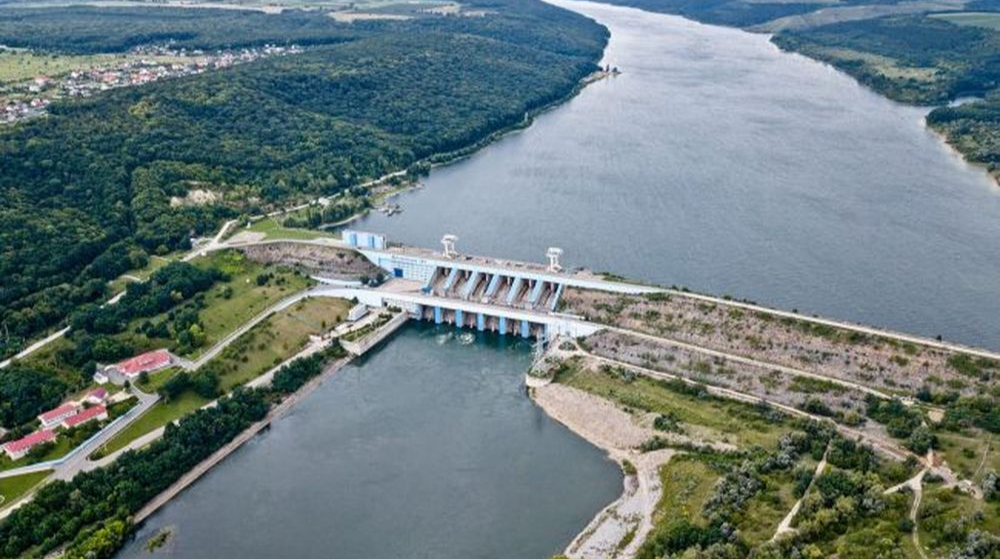
A leak of technical oils into the Dnister River has occurred following a Russian attack on infrastructure facilities near the Dnister Hydroelectric Power Plant (HPP) in Chernivtsi Oblast, with the pollution spreading downstream into Moldova.
Source: Ukraine's Ministry of Economy, Environment and Agriculture
Details: "The Russian Federation continues to commit international environmental crimes, using the war as a tool to destroy ecosystems and create cross-border environmental threats," the ministry said.
Russia carried out its first large-scale attack on the Dnister HPP on the night of 6-7 March.
Following a missile and drone attack by Russia on Ukraine on 10 March 2026, patches of technical oil were detected in the Dnister River near the village of Liadova in the Yaryshiv hromada of the Mohyliv-Podilskyi district in Vinnytsia Oblast. [A hromada is an administrative unit designating a village, several villages, or a town, and their adjacent territories – ed.]
"Early reports indicate that the pollution of the Dnister is likely linked to a leak of technical (transformer) oils from infrastructure facilities near the Dnister Hydroelectric Power Plant in Chernivtsi Oblast, which occurred as a result of a Russian attack on 7 March 2026," the statement said.
The contamination has spread downstream, including to the area near the village of Naslavcea in the Republic of Moldova.
Within the framework of the Dnister Commission's activities, the ministry is acting as the central coordinator of interagency and international cooperation in responding to this environmental threat.
Ukraine is acting swiftly and in a coordinated manner, both at the national level and in cooperation with Moldova, to contain the pollution and minimise its consequences. Meanwhile, the ministry stressed that Russia's actions must receive an appropriate international legal assessment.
Units from the State Emergency Service will begin practical response measures, including installing containment booms and using sorbents to localise and collect the oil pollution.
The Dnister River is one of the key sources of water supply for the cities of Odesa (Ukraine) and Chișinău (Moldova), and the contamination poses a serious threat to the population and aquatic ecosystems.
Background:
- Earlier reports indicated that since early October 2025, Russian forces have deliberately attacked 11 hydroelectric power plants and 45 major combined heat and power plants.
- The European Bank for Reconstruction and Development is providing Ukrhydroenergo, Ukraine's largest state-owned hydropower company which operates hydropower plants along the Dnipro and Dnister rivers, with a €75 million loan for the modernisation and renovation of hydropower facilities.
Support Ukrainska Pravda on Patreon!