Russia revived “previously unrecoverable” engines to restore 5,100 Cold War tanks

Russia regenerated diesel engines that one of its own industry representatives publicly described as "previously unrecoverable," enabling the return of roughly 1,000 1970s-vintage T-72A tanks from long-term storage and completing a broader effort that has restored or set in motion the restoration of around 5,100 Soviet-era tanks, defense analyst David Axe reports for Euromaidan Press.
The restoration leaves Russia with more tanks than it had on the eve of its full-scale invasion of Ukraine in February 2022—but no comparable Cold War stockpile to draw on for any future war.
How "previously unrecoverable" engines came back
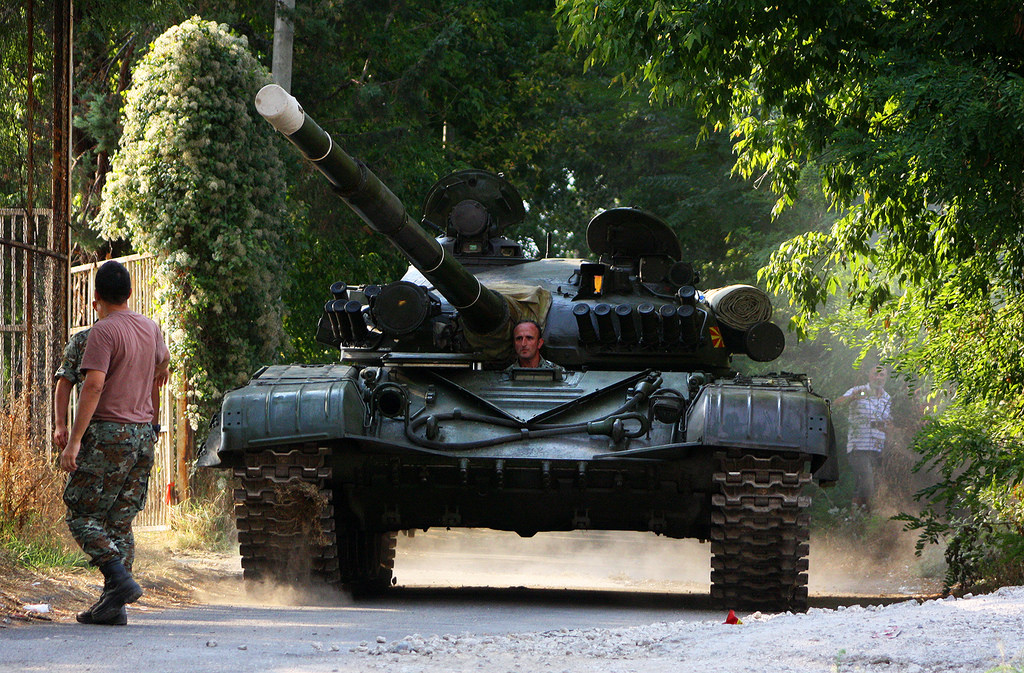
In September 2024, a Russian industry representative told the State Duma's Defense Committee that industry had launched a "new regeneration program" to install new parts in old 780-horsepower W-46 diesel engines used in the T-72A. The program would transform "previously unrecoverable" W-46s into working engines after decades of disuse, the industry representative said.
That program alone was expected to produce only around 100 engines—enough for roughly 10% of the stored T-72As. Three months later, in December 2024, the Kingisepp Machine Building Plant in Leningrad Oblast signed a contract with the Russian defense ministry to refurbish the 840-horsepower W-84 engine, also compatible with the T-72A, to handle the remainder.
The engine contracts were what convinced OSINT analyst Jompy that Russia intended to restore its full stored T-72A fleet rather than leave it stranded. Without working engines, around 1,000 of the oldest hulls in storage—a substantial slice of the recoverable inventory—would have remained where they sat.
Draining the last of the Soviet stockpile
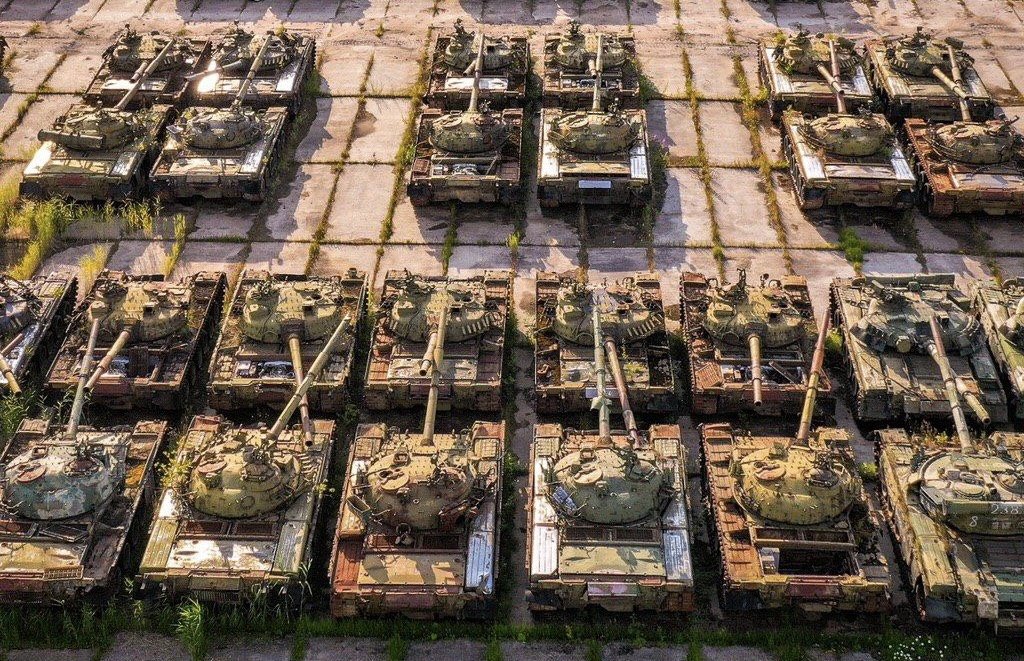
Russia entered its war on Ukraine with around 7,200 tanks in long-term storage. Roughly 2,100 were either ruined beyond economical recovery or belonged to the Ukrainian-designed T-64 class that Russian forces are not equipped to operate, leaving about 5,100 recoverable hulls. Axe writes that most of those 5,100 have now been either restored or set in motion for restoration.
Restoration does not mean uniform modernization. A separate analysis by Frontelligence Insight, based on leaked Uralvagonzavod planning documents, indicates that roughly 828 T-72s are scheduled for overhaul to the more modernized T-72B3M standard through 2036, with the analysts themselves flagging lower confidence in that figure than in their T-90M production estimates.
The restoration package for the older T-72As, where visible, includes:
- Engine work, via the W-46 regeneration program and the Kingisepp W-84 refurbishment contract
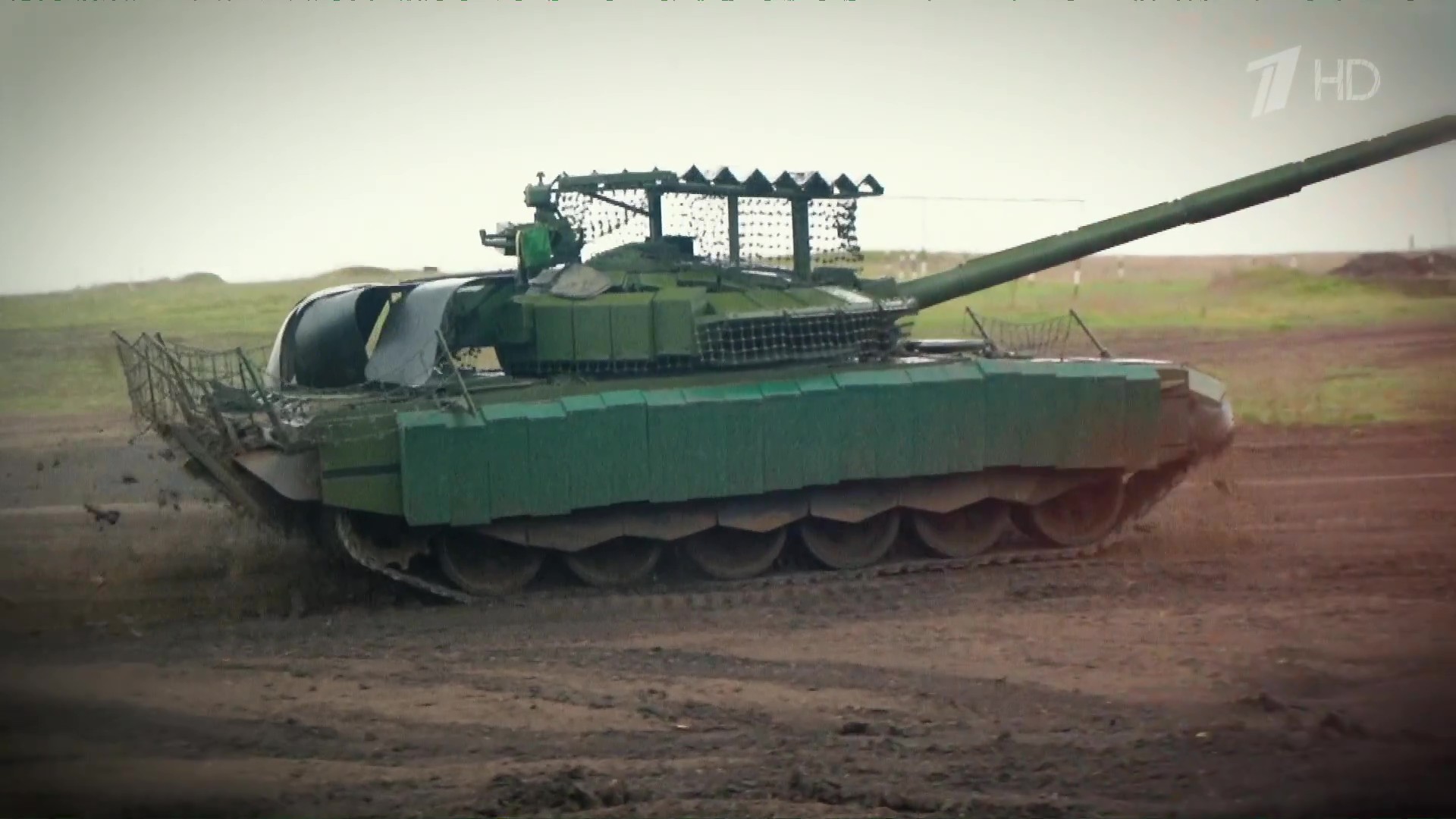
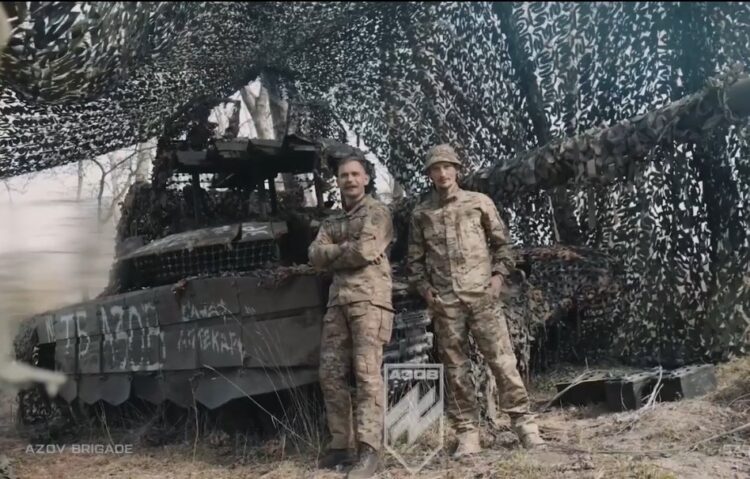
- Bolt-on protections—explosive reactive armor, drone-blocking "cope cages," chains, and rubber mats—visible in footage of T-72AMs deployed near Kostiantynivka with the 1442nd Guards Motor Rifle Regiment in May 2026
- Modernized internal systems where the conversion goes further: the T-72B3M package normally includes upgraded fire-control sights and R-168-series radios, though independent confirmation for each restored T-72A batch is limited
What that adds up to is a tank brought closer to modern Russian combat standards but not equal to them. The T-72A hull dates from 1979 and carries a turret frontal arc of just 280 mm—thinner than the later T-72B platform that the T-72B3M is built on. Modernized engines, sights, and add-on armor narrow the gap with newer Russian tanks. They do not erase it.
The strategic frame, in Jompy's closing assessment: "The loss of the vast Soviet legacy stockpiles means the capability to quickly regenerate after high attritional warfare won't be there anymore for Russia, and they'll have to change their approach to mechanized warfare." Russia is committing the recoverable end of its Cold War inheritance to this one war. There will not be another.
Read David Axe's full analysis for Euromaidan Press on the engineering effort behind Russia's rebuilt T-72As—and what Moscow plans to do with armor it currently cannot deploy under drone surveillance.