Russia may soon have more tanks than pre-war. It just can’t use them.
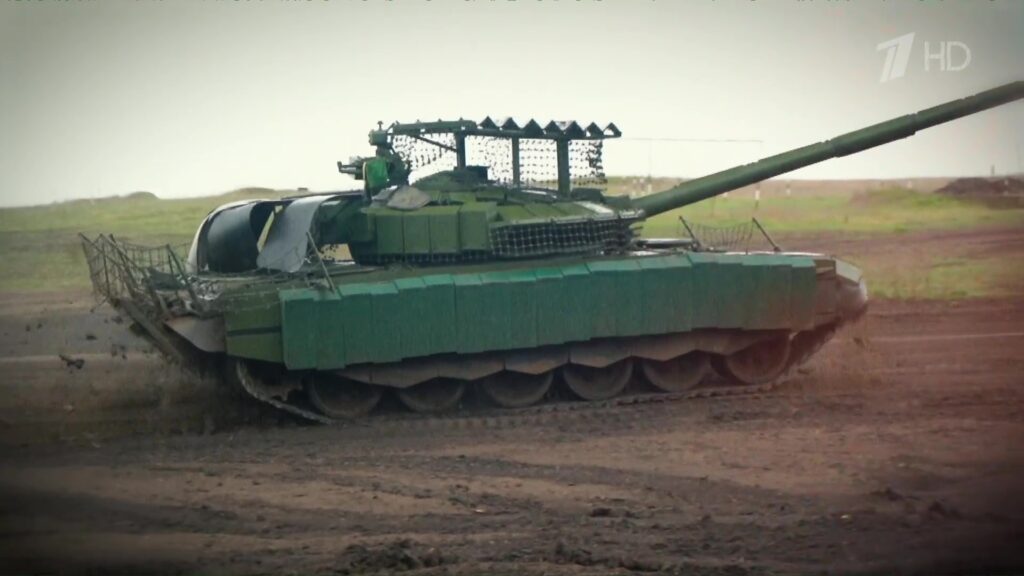

- Russia has restored thousands of old Soviet-era tanks
- Despite enormous losses in Ukraine, the Russian tank force is actually bigger than it was pre-war
- But drones prevent the mass deployment of tanks in Ukraine, so what are all these vehicles for?
In 2024, as Russian tank losses in Ukraine exceeded 3,000—roughly as many tanks as the entire Russian ground forces had in active service on the eve of Russia's wider war with Ukraine—Russian industry got creative.
Two years later, it has for more tanks than it needs. The big question is what it plans to do with them.
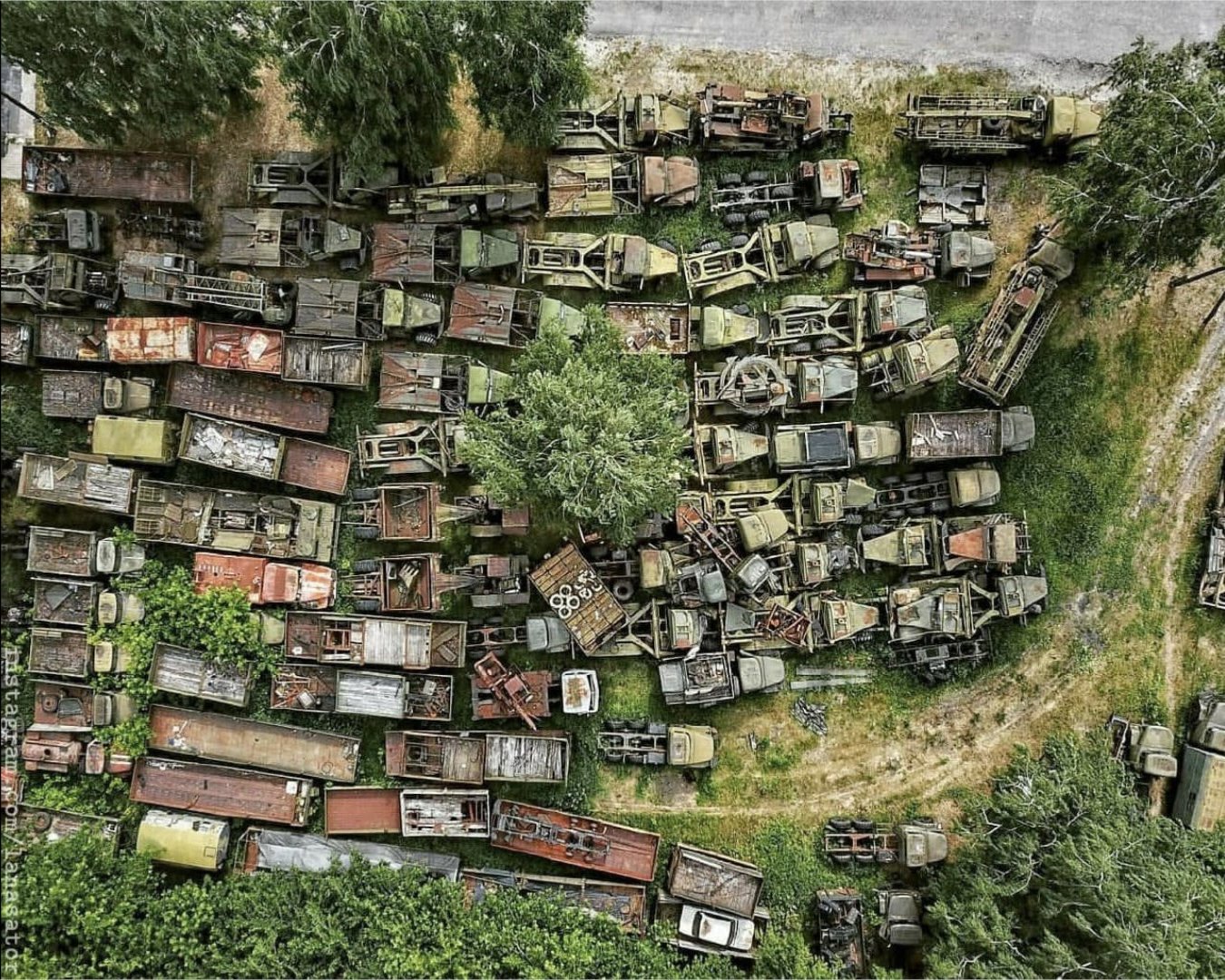
As 2023 ground into 2024, the Kremlin was determined to rebuild its armor stocks. But Russia's only factory producing brand-new tanks, Uralvagonzavod in Nizhny Tagil, makes just 250 or so new T-90M tanks from scratch every year. Every other "new" tank that reaches a front-line regiment is built around an old hull left over from the Cold War. And stocks of Cold War-vintage tanks, while vast, are also finite.
Expecting to restore every single tank possible out of the roughly 7,200 tanks sitting in long-term storage, Russian factories assessed some of the oldest and rustiest stockpiled tanks, around 1,000 T-72As from the early 1970s, and concluded they'd need new engines.
Engineers got to work. And in September 2024, an industry representative told the State Duma's Defense Committee that industry had launched a "new regeneration program" to install new parts in old 780-horsepower W-46 diesel engines powering the 45-ton, three-person T-72A. The new parts would transform "previously unrecoverable" W-46s into working engines after decades of disuse, the industry rep said.
Three months later in December 2024, the Russians doubled down. The W-46 regeneration program was expected to produce just 100 or so new engines, enough for 10% of the stored T-72As. To get the others moving again, the Kingisepp Machine Building Plant in Leningrad Oblast signed a contract with the Russian defense ministry to refurbish 840-horsepower W-84 engines that are also compatible with the T-72A.
With fresh engines and other new components—including optics, radios and bolt-on armor—a 50-year-old T-72A could become something akin to a modern T-72B3M, albeit less well-protected. The engine contracts were "the moment when I started to suspect Russia was going to try to repair and field their stored fleet of T-72As," analyst Jompy recalled.
And the impulse to restore T-72As was an indication the Russians planned to go all in, and restore nearly every single old tank that wasn't completely rusted through. Around 2,100 of the oldest tanks in storage in Russia were wither ruined beyond any hope of economical recovery or belonged to a class of tank, the Ukrainian-designed T-64, that Russian forces aren't accustomed to operating.
That left around 5,100 tanks that were recoverable. Now, 52 months after Russia widened its war on Ukraine, most of those 5,100 tanks have either undergone restoration or are in line for restoration. That's ... a lot of tanks.
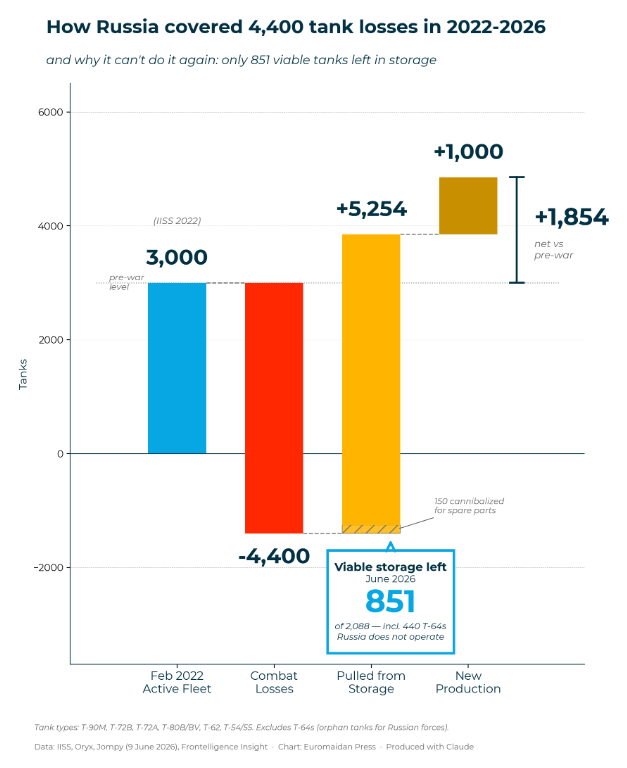
Tank math
Do the math. The Russians went to war in February 2022 with 3,000 tanks and have now lost around 4,400 tanks. New production may amount to around 1,000 tanks. Add in 5,100 old but refurbished tanks, and the Russian ground forces could soon have far more tanks than they had four years ago.
And those tanks should last. In 2025, Russian field armies in Ukraine pivoted to infantry-led assaults in order to protect their tanks from drones. Daily average tank losses dropped from dozens per day to just one a day.

What the Russians plan to do with all those tanks, as well as the hundreds of additional new T-90Ms they plan to build in the coming years, is an open question. The same drones that have destroyed thousands of Russian tanks are still prowling the air over the disputed gray zone in Ukraine. Deploying long columns of tanks in the current technological conditions would probably just result in the destruction of those tanks.
It's likely Russian commanders are waiting for some new counterdrone tech to make tank assaults possible again. "Clearly they are thinking in the long run, predicting that eventually a solution to the current drone-saturated environment will be reached that allows them to bring back fast, mobile warfare via armored vehicles," and preserving and rebuilding the mechanized corps in the meantime. " Jompy wrote.
A Russian tank division rolls toward Pokrovsk, adding major manpower to Russia’s eastern push
It's also possible Russian commanders just get desperate enough to deploy tanks again. At present, the Kremlin is still recruiting around 30,000 fresh infantry every month—just enough to sustain costly infantry-led assaults. But if infantry casualties increase, or recruitment slips, commanders "could also be forced to go back to mechanized warfare."
Yes, a return to tank assaults in the absence of some new counterdrone tech would surely result in a lot of blown up tanks.
Then again, Russia now has tanks to spare. The only wrinkle is that there are no longer vast stocks of old tanks waiting to replace the tanks that burn in the Ukrainian gray zone or on some future battlefield.
In that sense, the Russian tank fleet at its current huge size is now a single-use force. Once it's gone, it's gone for good. "The loss of the vast Soviet legacy stockpiles means the capability to quickly regenerate after high attritional warfare won’t be there anymore for Russia," Jompy wrote, "and they’ll have to change their approach to mechanized warfare."