
Russia is now losing 95% of its Shaheds to Ukrainian interception. Moscow’s response will be jet-powered variants and border-area targeting
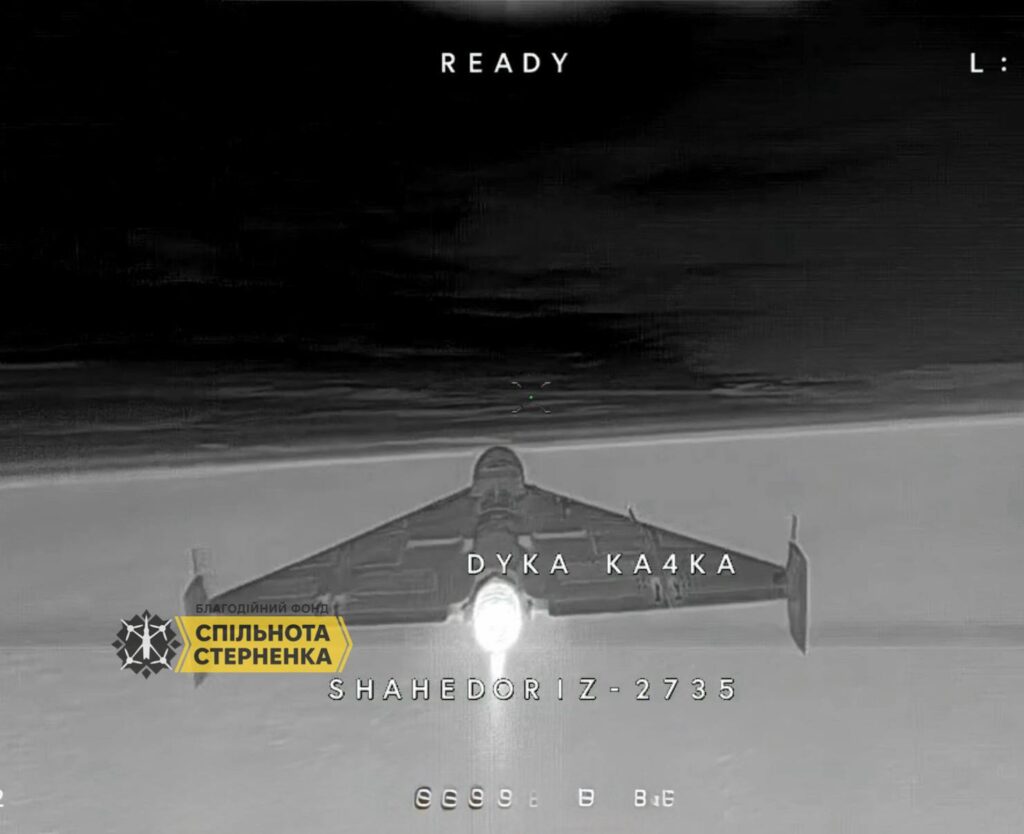
Russia will not abandon its Shahed campaign despite a sharp drop in operational effectiveness. However, it will adapt by fitting electronic-warfare systems to the drones themselves and scaling jet-powered Geran-3 and Geran-4, Serhii "Flash" Beskrestnov, the Defense Ministry adviser, told UNIAN.
It will shift attack patterns toward targets closer to the border rather than deep in the Ukrainian rear.
"For example, EW on Shaheds or other systems. They will definitely use jet Shaheds, such as Geran-3, Geran-4. They will also change tactics, using Shaheds near borders, not in the rear," Flash said.
The likely Russian responses he named match what is already documented in Russian drone production: Russia is building out jet-powered Shahed variants and expanding the launch infrastructure that the operational shift toward border-area targeting would rely on.
Russian forces see growing threat from Ukraine’s interceptor defenses
"They already understand that we are developing air defense and interceptors. And this percentage [of Shahed shootdowns for Russians] is very critical," Flash said.
Flash has consistently been one of the most quoted Ukrainian analysts on the technical evolution of the Russian Shahed campaign.
What Russia is likely to try?
Flash identified three categories of Russian adaptation.
- First, electronic-warfare suites mounted on the Shaheds themselves. It's the same logic that already has Russian Geran-2s carrying decoy emitters and frequency-agile communications equipment, but more directly oriented to defeating Ukrainian interceptor guidance.
- Second, the operational scaling of jet-powered Geran variants, the propeller-replaced versions of the Iranian Shahed-136 design that fly significantly faster than the original gasoline-engine drone and present a harder target for both kinetic interception and electronic-warfare countermeasures.
- Third, tactical reorientation: more Shaheds against targets close to the front line and the international border, where Ukrainian air defense density is thinner and shorter flight times reduce the window for interceptor engagement.
The expected pattern fits the documented Russian production and deployment record. Russian drone manufacturers have been scaling jet-powered variants over the past year, with the most recent generation — the Geran-5 — operational and based at the Tsymbulova drone port in Oryol Oblast and at the occupied Donetsk Airport.
Russian forces have continued to build new launch corridors, looking for routes that increase the percentage of drones reaching their targets.