
Reuters: 40% of Russia’s oil exports offline, mostly due to Ukrainian drone strikes — worst disruption in Russian history
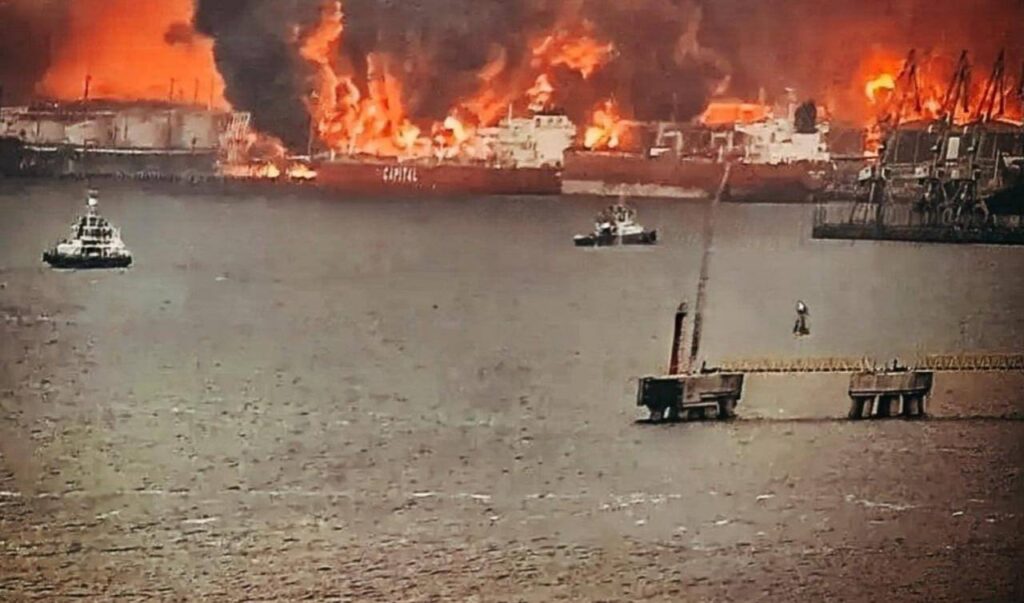

Ukrainian drone strikes, pipeline damage, and tanker seizures have halted at least 40% of Russia's oil export capacity — around 2 million barrels per day — in what Reuters calculated on 25 March as the most severe oil supply disruption in modern Russian history. The shutdown combines port strikes, pipeline damage, and tanker seizures.
All three major western Russian ports hit
Ukraine struck all three of Russia's major western oil export ports recently. Primorsk and Ust-Luga on the Baltic Sea suspended crude oil and petroleum product loadings on 25 March after massive drone attacks sparked blazes. Both ports had briefly resumed exports after earlier strikes but halted again following the latest wave.
A source told Reuters that Ust-Luga was sealed off with reservoirs ablaze. Gulf of Finland Coast Guard District director Jukka-Pekka Lumilahti confirmed the Primorsk fire was still ongoing.
"It is still burning there pretty much just as it was at the start," he said. "These are indeed massive fires, and there is a massive amount of smoke."
He added there was no oil leakage from the attacks.
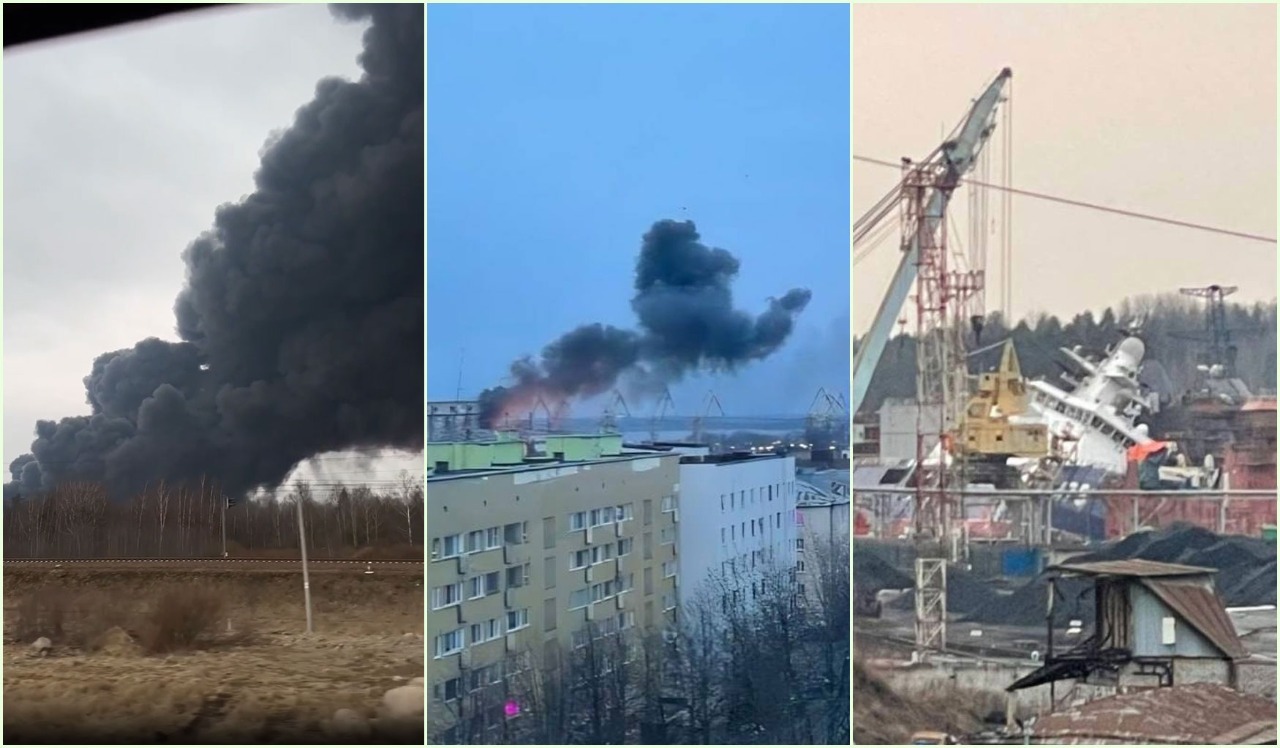
Russia’s Baltic coast took three hits in one night: gas hub, oil terminal, military icebreaker — all confirmed by Ukraine (updated)
Heikki Autto, a Finnish MP and chairman of the parliament's defence committee, told Reuters he saw a massive pillar of black smoke rise from the direction of Primorsk as he landed at Helsinki Airport yesterday.
Novorossiysk on the Black Sea — which can handle up to 700,000 barrels per day — has also been loading below plan since drone attacks earlier this month.
Beyond the port strikes, Russia's Druzhba pipeline — which runs through Ukraine to Hungary and Slovakia — has been disrupted since damage in late January. Ukraine said the pipeline was hit by Russian strikes, but both Slovakia and Hungary — led by pro-Russian governments — demanded Kyiv restart supplies immediately.
Russia’s oil revenues hit four-year high amid Iran’s war. And Ukraine is paying price
Frequent seizures of Russia-related tankers in Europe have also disrupted 300,000 barrels per day of Arctic oil exports from the port of Murmansk, Reuters said, citing traders.
With western export routes under sustained attack, Moscow must rely on oil shipments to Asian markets from the country's east — but traders said those routes are limited by capacity.
The timing compounds the pressure
Russia's oil output is one of the main revenue sources for the national budget, central to its $2.6 trillion economy, with oil and gas accounting for roughly a quarter of state budget proceeds. Ukraine says it aims to cut those revenues to weaken Russia's military capacity. The disruption arrives just as oil prices exceeded $100 a barrel due to the Iran war — Reuters noted Ukraine has stepped up attacks over recent weeks as US-pushed peace talks stalled.