Rachel Reeves: Leak to the FT was inaccurate

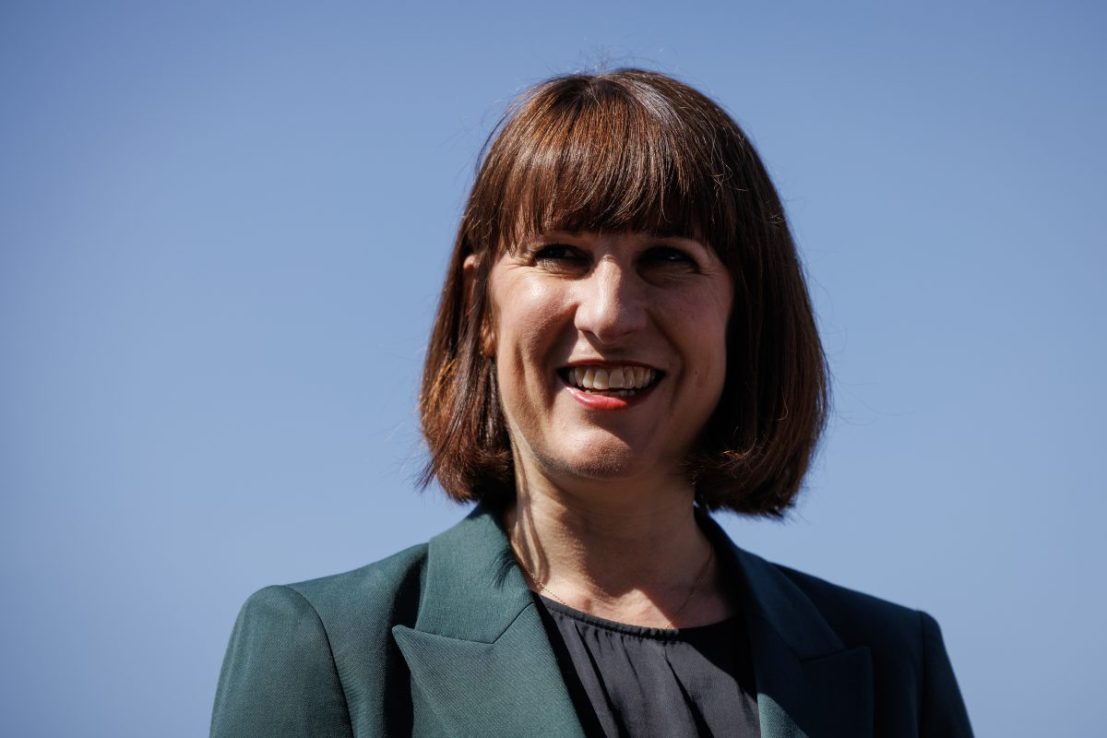
Chancellor Rachel Reeves slammed briefings provided to media outlets in the lead-up to the Budget as she referred to a specific Financial Times news report which had “partial and inaccurate” information.
In a Treasury Select Committee hearing on Wednesday morning, the Chancellor hit out at leaks in the months leading up to the Budget, adding that a Treasury-led inquiry would seek to determine the source of briefings.
Her appearance before the group of MPs came a day after she denied suggestions that she authorised Budget leaks.
“Leaks are unacceptable,” Reeves said. “The budget had too much speculation. It had too many leaks.
“Much of those leaks and speculation were inaccurate and very damaging, as well as the IT security issues they made in which the entire Budget was inadvertently published [by the Office for Budget Responsibility (OBR)].”
She added: “On 13 November there was a leak to the Financial Times about one element of the Budget. The leak presented partial and inaccurate information. It provided an inaccurate picture of the Budget strategy.
“The implication that some could take from that story would have been that I had ditched core elements of the budget strategy that I had set out a few days before in a [4 November] speech and that I was not going to build the headroom that I had previously said was necessary. This wasn’t true.”
Reeves hits back at Tory accusations
Reeves also argued that the government was able to ditch plans to hike income tax rates, which would have been a direct breach of the Labour manifesto, because the OBR provided “information” that suggested there was more headroom as a result of a string of other planned tax rises.
Her comment attempts to shed some light on the complexities of the Budget process.
Shadow Chancellor Mel Stride has urged the Financial Conduct Authority (FCA) to investigate the Treasury for potential bond market manipulation over a leak to Bloomberg on 14 November stating that income tax hike plans had been abandoned due to “improved forecast”.
A post-Budget letter from the OBR appeared to indicate that forecasts to the headroom did not change between 31 October and the Budget on 26 November, with the fiscal watchdog not taking account of any growth measures into its fiscal forecasts.
OBR economist David Miles also said he was worried by “misconceptions” in media reports that the fiscal watchdog had provided “good news” in forecast changes in this period when in fact such improvements “didn’t exist”.
But Reeves told former City minister John Glen, who sits on the committee, that there was “plenty of additional information” shared between the OBR and the Treasury which changed forecasts and allowed the government to change course on potential manifesto breaches.
“The reason for that is that the OBR does costings of all the changes we are making as well as there being interactions between the tax measures and other economic variables, whether that be GDP, consumption and inflation.
“Every measure both has its own impact and a cumulative impact.”
She also revealed that the Treasury was not working on the assumption it had £4.2bn headroom as of 31 October, as shown by the OBR’s letter, because the surplus did not take account of welfare spending U-turns.
Reeves also defended her decision to extend income tax thresholds for a further three years, adding that her 4 November “Scene Setter” speech made it clear that all Brits would “have to contribute”.
“We were able to keep that contribution as low as we did by using some progressive taxes.
“We did look at whether we needed to increase rates of income tax given our concerns around the forecast.”
“In the end that was not necessary.”