Public spending fuelled growth spurt ‘no cause for celebration’
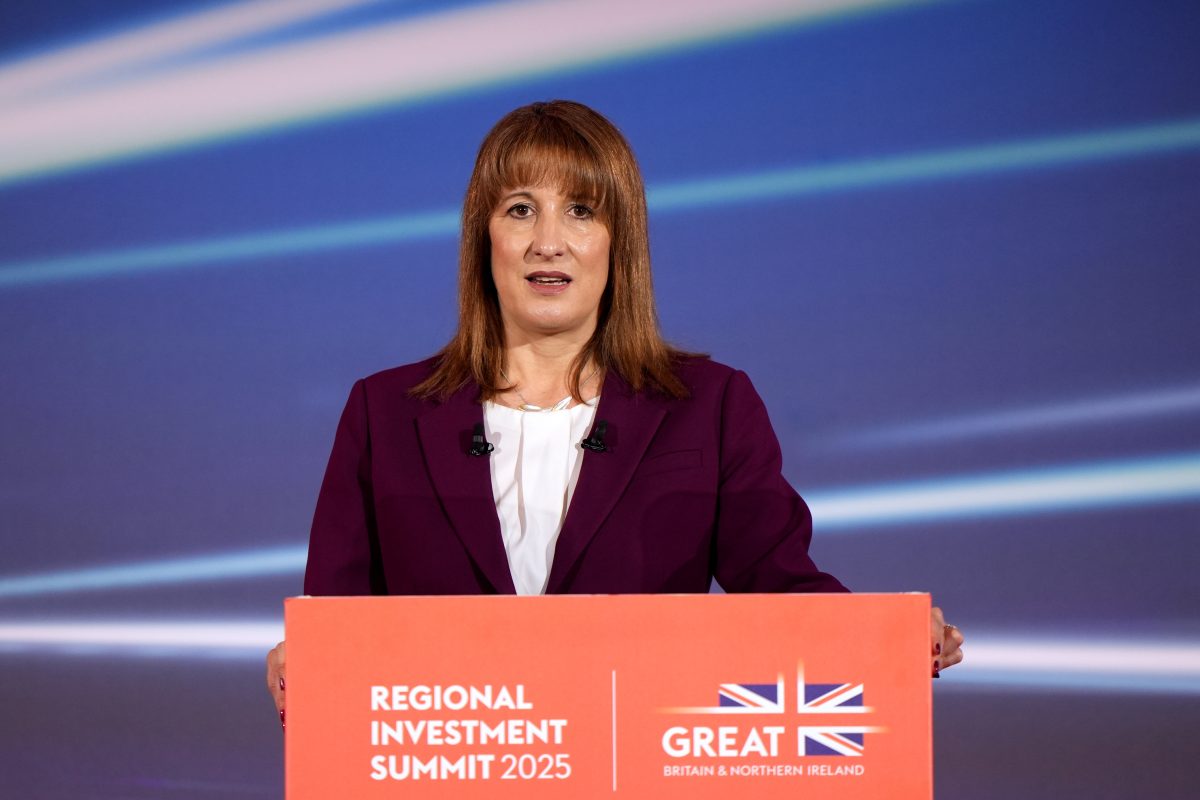
Labour’s “spend now, tax later” approach to fiscal policy will drive higher growth than previously expected, an industry group has said, but will leave UK public finances in a “vulnerable” position.
The Confederation of British Industry (CBI) upgraded its growth forecast for next year from 1 per cent to 1.3 per cent, with an extra £11bn in state spending plans revealed in the Budget accounting for most of the difference in forecasts published between today and June.
It also pencilled in “moderate” GDP growth of 1.5 per cent in 2027.
CBI economists said its upgrade came with a caveat after it was revealed the government would be increasing borrowing in the next three years to be able to spend more on welfare.
The bulk of extra government revenue in the Budget made through tax hikes will stream in from 2028 in a set of measures the CBI referred to as “spend now, tax later”.
The short-term boost to Rachel Reeves’ borrowing could be a “drag on growth” beyond the CBI’s two-year forecast period while Labour’s spending policies risked leaving the public purse in a “vulnerable” position.
Productivity growth trends are not expected to match pre-Covid levels seen year-on-year while the industry group’s surveys have pointed to a sharp downturn in business investment and capital expenditure intentions.
The forecasts downgraded business investment growth by 1.1 percentage points for 2026 from a previous projection of 1 per cent.
Chief economist Louise Hellem said the growth upgrade should be interpreted as “cautious optimism” rather than “cause of celebration”, warning that private sector growth was being held back by “underlying challenges” in regulation, taxation and energy.
“While the Budget did deliver much needed stability, too many bold choices were left unaddressed,” Hellem said.
“If the government is serious about restoring business confidence and turbo-charging its own growth mission, it must urgently address some of the biggest barriers to competitiveness.”
Slow growth to hit employment
The CBI also took a more cautious approach to calculating the effects of Budget measures on inflation.
The Office for Budget Responsibility (OBR) and Bank of England have suggested that efforts to strip green levies off energy bills could cut price growth by up to 0.5 percentage points.
However, the CBI suggested inflation would fall at a slower pace than civil servant economists assumed, depending on how the government works out its cuts to green levies.
Inflation is only expected to slow to 2.6 per cent next year and 2.3 per cent the year after, remaining above the Bank’s 2 per cent target.
The unemployment rate is also not expected to drop below 4.9 per cent until 2027 as firms continue to deal with a £25bn rise in employers’ national insurance contributions announced in Reeves’ first Budget in 2024 and another rise in the national living wage this year.