Oil slides and stocks surge as Trump-Iran pact calms global markets
Global markets breathed a much-needed sigh of relief on Wednesday morning after it emerged Donald Trump reached a temporary ceasefire agreement with Iran, just hours before a high-stakes deadline in which the US president had threatened to destroy bridges, power plants and swathes of Iranian infrastructure.
On Tuesday Trump set a dramatic ultimatum that “a whole civilization will die tonight” unless Tehran struck a deal with Washington within hours, triggering fears of a sharp escalation in the conflict.
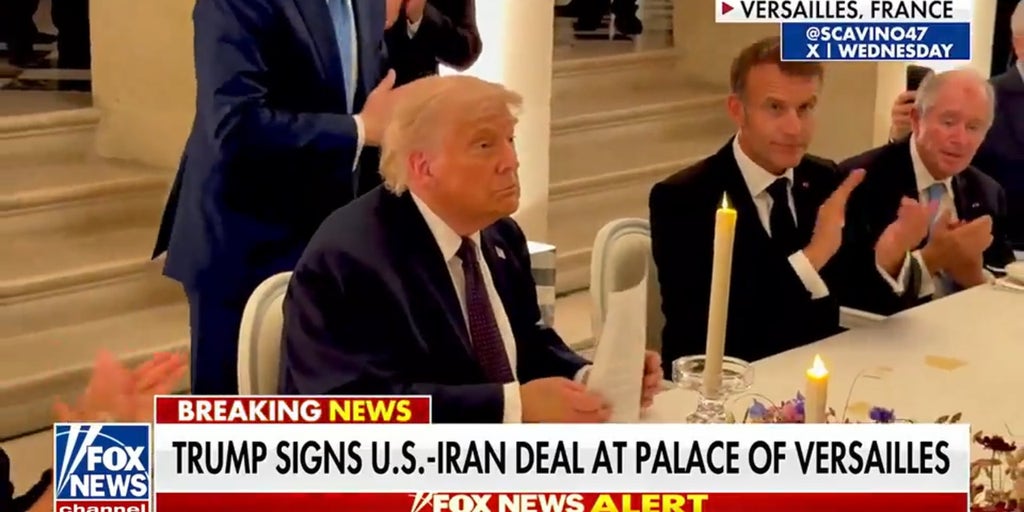
But less than 90 minutes before the deadline, Trump backed down, announcing a two-week ceasefire subject to the immediate reopening of the Strait of Hormuz, a key passageway for global trade, starting the clock on negotiations over a permanent settlement between the US and Iran.
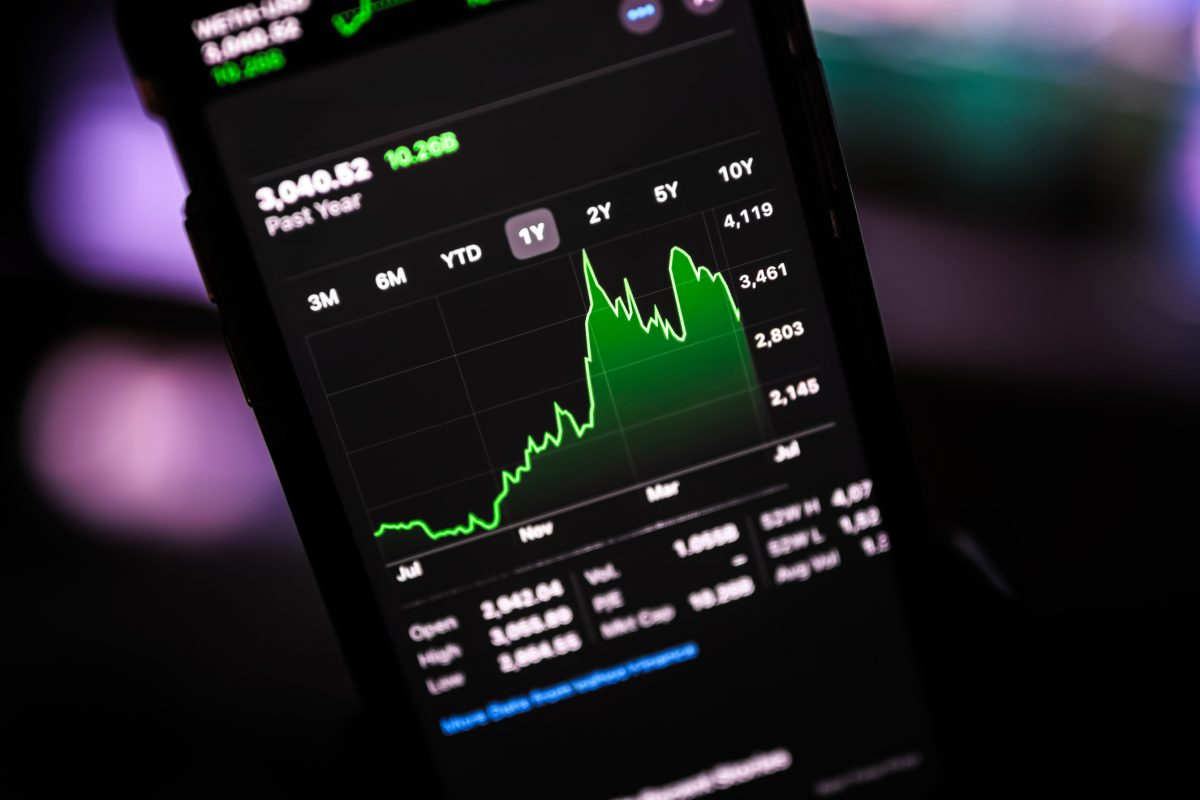
The move sent the price of oil tumbling, falling as much as 16 per cent to below $100 a barrel, while Asian and European stocks rallied strongly and the pound rose as much as 0.8 per cent against the dollar to $1.34.
The FTSE 100 was up around 2.6 per cent to 10,620 in the opening minutes of trade in London, while the FTSE 250 jumped 3.7 per cent to 22,363.
Airlines were among the biggest beneficiaries of the rally, after the reopening of the Strait of Hormuz placated fears over fuel shortages, with Wizz Air up as much as 15 per cent and British Airways owner IAG rising 10 per cent. But shares in oil giants BP and Shell tumbled 8 per cent and 7 per cent respectively on news of weakening oil prices.
“A big day for World Peace!” Trump said in a post on Truth Social.
“Iran wants it to happen, they’ve had enough! Likewise, so has everyone else! The United States of America will be helping with the traffic buildup in the Strait of Hormuz. There will be lots of positive action! Big money will be made.”
But Iran has insisted that the Strait will remain under the control of its armed forces, determining which ships will be allowed to pass through the 21-mile passageway. Iranian officials laid out a ten-point plan for negotiations including demanding reparations for damage caused by US attacks, in signs the prospects of a permanent peace deal remain far from certain.
“Of course, this is just the starting point for the negotiation. But the gap between the Iranian view of a final peace agreement and the American view is so wide that imagining a settlement in two years, much less two weeks, requires some diplomatic jujitsu,” wrote New York Times correspondent David E Sanger.
Strait of Hormuz reopening
Although no ships appear to be passing through the Strait of Hormuz yet, we can probably expect a gradual build-up of traffic over the coming days once complications around logistics and insurance cover are resolved, according to Kallum Pickering, chief economist at City bank Peel Hunt.
“The ceasefire arrives at a critical moment – just before our best estimate that we had about six weeks from the start of the conflict before genuine shortages would hit Europe – reducing recession risks appreciably,” Pickering wrote in a note.
“Even if this truce marks the genuine end of fighting, some economic damage is already baked in – expect higher inflation in the second half of the year and slower growth for major parts of the global economy compared to the pre-war outlook.
“Significant damage to regional infrastructure as well as energy production and manufacturing capacity means some lasting supply-side damage that will only be gradually recovered.“