
Oil products and barium levels in Dniester River exceed norms severalfold due to Russian attacks
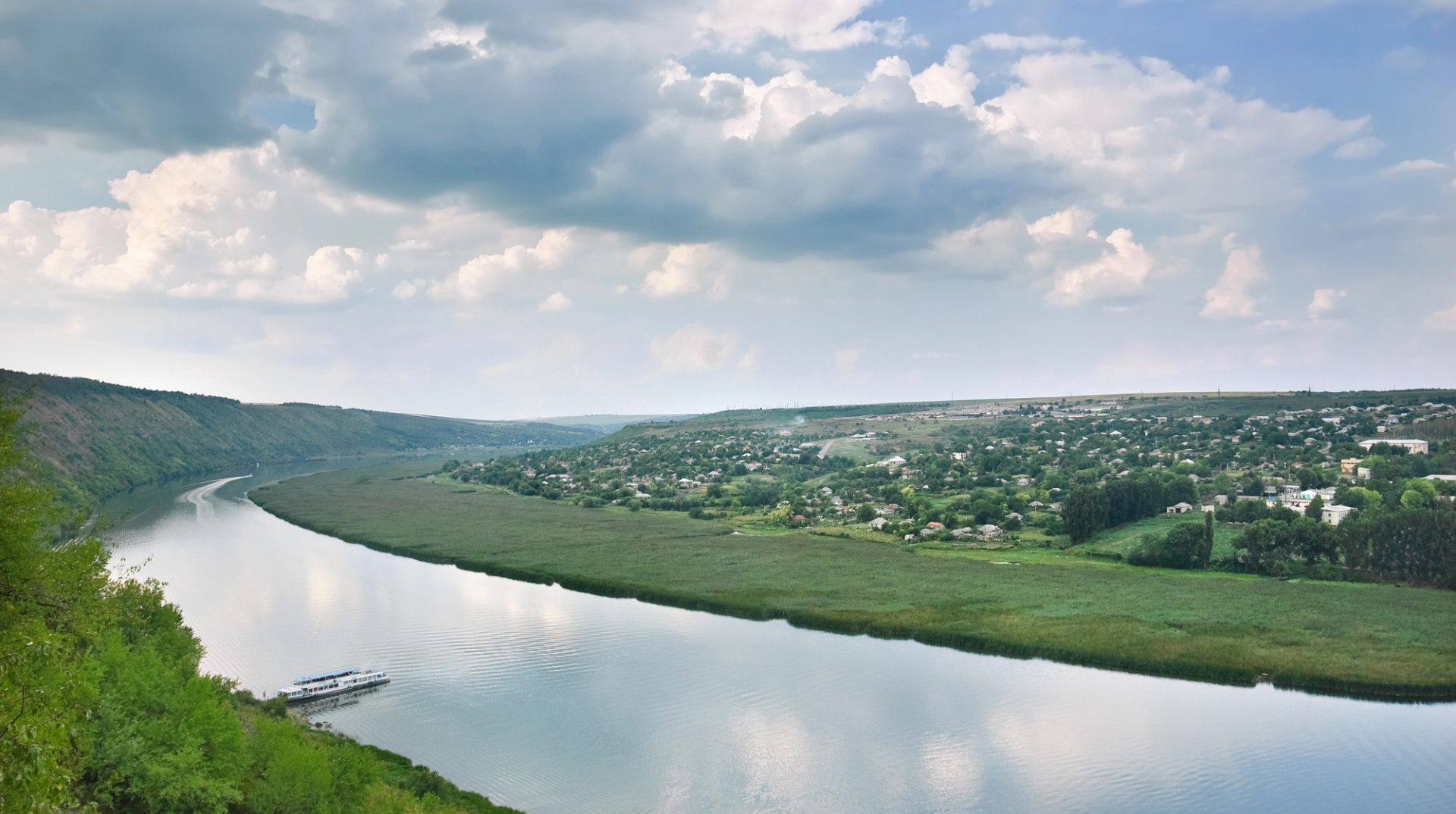
Concentrations of oil products and barium in the Dniester River, polluted as a result of Russian attacks and supplying up to 80% of Moldova's drinking water needs, exceed permissible levels.
Source: Ukraine's Ministry of Economy, Environment and Agriculture on its website
Details: Following Russian strikes and firefighting at damaged facilities, hazardous substances entered the waters of the Dniester River. In particular, the concentration of oil products exceeds permissible levels by 2.5 times, while barium exceeds them by three to six times.
The pollution indirectly indicates a link with explosive substances, Iryna Ovcharenko, Ukraine's Deputy Minister of Economy, Environment and Agriculture said.
"Russia is not only destroying the energy system but is also committing ecocide through its actions. The pollution of the Dniester River is a direct consequence of Russian aggression," said Ovcharenko.
On Ukrainian territory, pollution has been recorded in the Dniester estuary. The ministry said that "all necessary measures" have been taken to prevent hazardous substances from reaching drinking water intakes, particularly near the village of Biliaivka and in Odesa.
Quote from the ministry: "Containment boom barriers have been installed, and sorbents are being used to localise and reduce the impact of the pollution.
Odesa Oblast Military Administration is continuously monitoring the situation, and water utilities have been given recommendations to enhance water purification. Sampling and laboratory analysis are ongoing."
Details: In addition, Ukraine's Security Service has opened a criminal case over the pollution, and experts from the State Environmental Inspectorate are involved in the investigation.
The Ukrainian authorities have established intergovernmental communication with Moldova and are conducting continuous laboratory monitoring of water quality.
Quote from the ministry: "Ukraine and Moldova have also appealed to international partners for support in conducting additional research, in particular to identify polychlorinated biphenyls and compounds present in weapons, including missile fuel.
Both countries are coordinating actions and expect assistance from international laboratories for the relevant analyses."
Background:
- After a Russian attack on Ukraine, spots of technical oil were detected in the Dniester River.
- The Ministry of Economy, Environment and Agriculture had previously reported that the pollution could be linked to a leak of missile fuel in the area of the Dniester Hydropower Plant on 7 March.
- The polluted water spread downstream, including into Moldova. Moldova's Minister of Environment Gheorghe Hajder said that some settlements risk being left without water.
- Later, Moldovan Prime Minister Alexandru Munteanu announced that due to the pollution of the Dniester, the country had appealed to the European Union for assistance, and the government introduced an environmental alert regime in the Dniester River basin.
- On 17 March, Oleg Ozerov, Russia's ambassador to Moldova, was handed a note of protest over the strike that led to the river's pollution. A bottle of water from the Dniester River was brought to the meeting.
Support Ukrainska Pravda on Patreon!