‘Not all sunlit uplands’: Pub bosses weigh in on whether Brexit leaves a bitter taste
A decade on from the referendum, has Brexit left a bitter taste? The bosses of the UK’s biggest pub firms have their say
Notoriously outspoken, the bosses of the UK’s leading pub brands are usually shouting about the same thing: the tax and regulatory burden threatening watering holes across the country. But, on the anniversary of the Brexit referendum, there is little consensus on whether a pint of beer is better off inside the European Union or out of it.
Tracking the share prices of the UK’s major listed pub chains paints a bleak picture, with each of these firms having shed value since the Brexit vote. Marston’s has fared the worst, having spent most of the decade in negative territory, while Mitchells & Butlers held up initially before taking a significant dip in the wake of the Covid-19 pandemic.
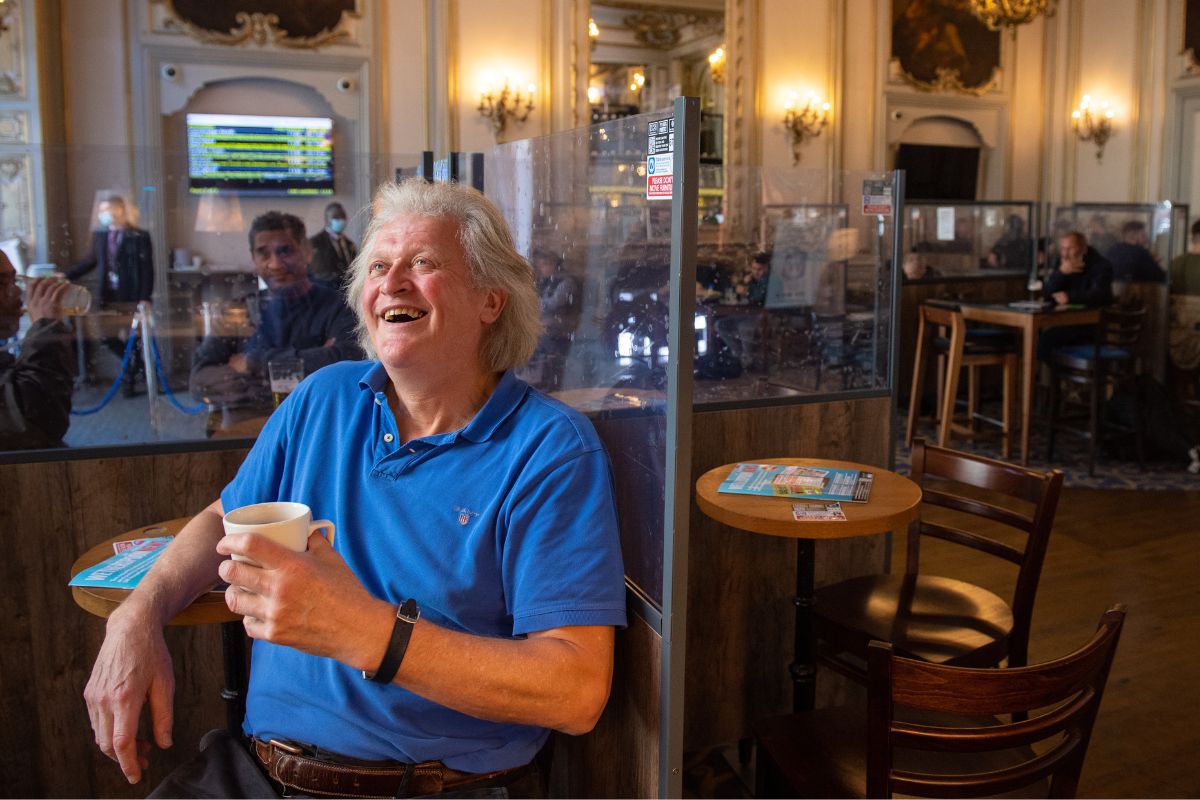
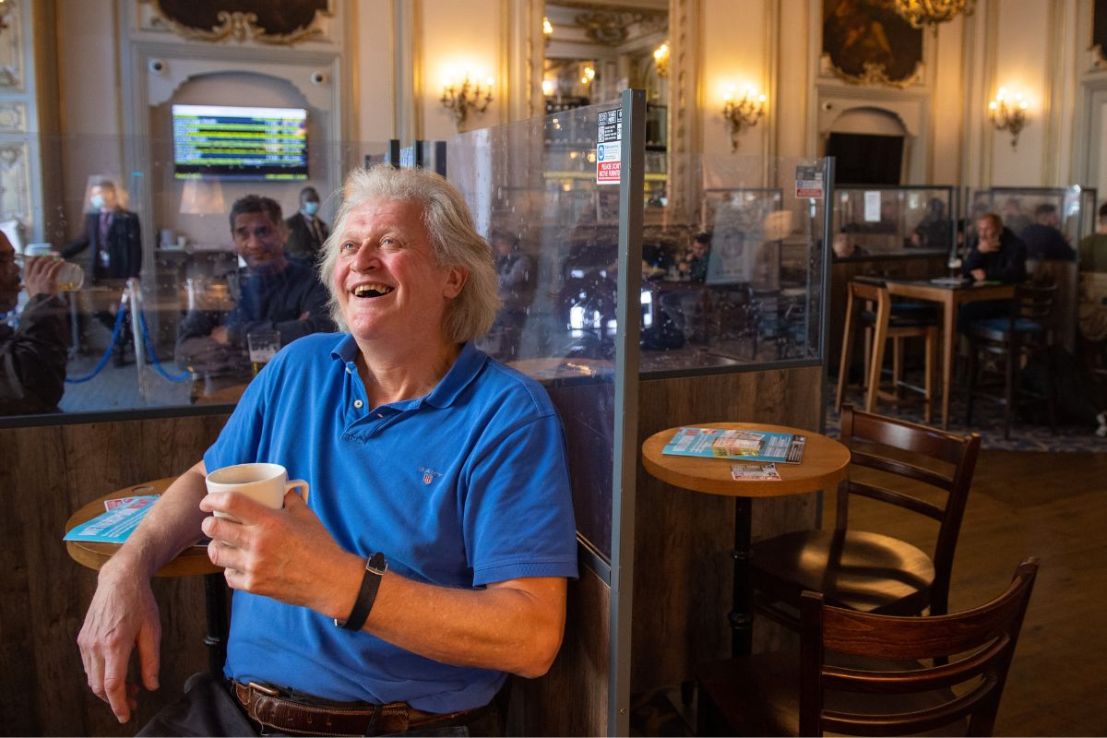
FTSE 250-listed JD Wetherspoon, whose boss Tim Martin was an outspoken advocate and donor of the Brexit campaign, is the only London-listed pub firm whose share price jumped following the vote.
This indicates that either the markets believed its founder’s insistence that the UK would benefit from greater economic freedom outside the EU, or that Brexit-voting traders felt compelled to throw their weight behind one of the campaign’s biggest private sector backers.
Hospitality workforce grows
Retail and hospitality had been tipped to be worst hit by falling migration in the wake of Brexit, due to these industries’ dependence on foreign workers.
This turned out to be true, to an extent, as the share of EU workers in the hospitality industry fell from 18 per cent to 12 per cent between December 2019 and 2023. Despite this, the total number of hospitality workers in the UK has grown, from 2.3m to 2.6m between March 2016 and 2026.
Tim Martin, chairman of JD Wetherspoon and a staunch Brexiteer, said forecasts claiming that 800,000 jobs across the UK’s economy would be lost have since been proven wrong. “Hospitality’s fear about lack of immigration has been proven wrong. Immigration has actually increased,” he told City AM.
Net migration increased to a record 944,000 in March 2023, according to the Office for National Statistics (ONS), but has since fallen and was 44 per cent lower in December 2025 than a decade earlier.
The Wetherspoon boss claims that the UK’s jobs market, in which hospitality plays a large part, has thrived since Brexit, creating 2.4m jobs. Martin pointed to the record low 3.7 per cent unemployment rate recorded in 2022 – before Labour’s 2024 and 2025 Budgets, which he says have since made employment more expensive for hospitality firms.
“All in all – not the sunlit uplands but, chaotic though it is, the UK has chugged along outside the EU,” he said, adding that he “regrets” that the government did not chop “EU-era” tariffs on items like bananas.
Simon Emeny, executive chairman of Fuller Smith and Turner, disagrees., He told City AM that the UK, “unfortunately, is in a worse economic position than it was a decade ago”.
Emeny claimed that Brexit is “one of the reasons” that successive governments have increased the tax burden on the pubs sector, in a bid to “make up the shortfall and lack of growth”.
Some Brexit dividends
Hospitality bosses have warned in recent months that their companies are facing a breaking point following years of tax hikes, including rising business rates and hikes to employer national insurance contributions and the national minimum wage.
The boss of Shepherd Neame, the UK’s oldest brewery, told City AM it is “difficult” to disentangle the impacts of Brexit on hospitality from the other factors which have given the sector a beating in recent years, including the Covid-19 pandemic and the Ukraine war.
“In the round,” Jonathan Neame said, “the UK has gone from being arguably one of the best places in the world to do business, if not the best, to […] one of the most difficult places in the world to do business.”
There are “dividends” from Brexit that pub owners have clung on to, he says, including cuts to the rate of alcohol duty on draft beer designed to bring the product’s tax burden down in comparison to bottled beer.
But the “excess taxation, excess regulation, very high energy [costs] and very high labour costs” which have burdened pubs in the years since Brexit make these benefits hardly worth raising a toast to, Neame said.