No More State-Funded National Celebrations as Government Cuts Costs
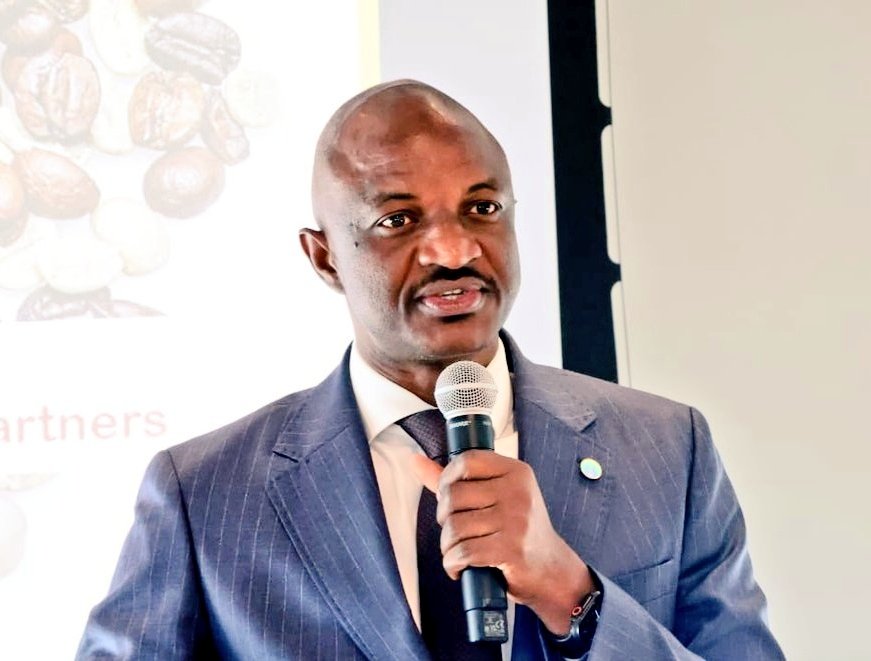
Kampala – The government has announced a major shift in public expenditure policy, revealing that it will no longer finance large-scale celebrations for most national holidays beginning in the 2026/27 financial year.
The decision was disclosed by the Permanent Secretary and Secretary to the Treasury, Dr. Ramathan Ggoobi, as part of broader efforts to streamline government spending and redirect resources toward key development priorities.
Under the new arrangement, public funds will no longer be allocated to organize national celebrations such as Independence Day, International Women’s Day, Labour Day, and several other commemorative events. Only a limited number of religious functions will continue receiving government support.
Instead of presiding over costly public gatherings, President Yoweri Kaguta Museveni will address the nation through radio and television broadcasts from State House, significantly reducing the costs associated with organizing national events.
According to Dr. Ggoobi, the savings generated from the policy will be redirected to priority sectors under the government’s “ATMS and Enablers” strategy, which focuses on agro-industrialization, tourism development, mineral exploitation, science, technology, innovation, and critical infrastructure necessary to achieve Uganda’s ambitious tenfold economic growth agenda.
The announcement, made through the Ministry of Finance, Planning and Economic Development, forms part of wider fiscal consolidation measures aimed at improving efficiency in public spending and ensuring greater value for taxpayers’ money.
Previous government budgets reportedly allocated hundreds of millions of shillings to organize major national celebrations annually. Officials believe the funds can generate greater impact if invested in productive sectors that create jobs, increase exports, and stimulate economic growth.
The decision has sparked debate among Ugandans, with supporters hailing it as a bold step toward fiscal discipline and prudent resource management.
Many citizens argue that expensive public ceremonies have often yielded little tangible benefit beyond symbolism and that broadcasting presidential addresses provides a cheaper and more effective way of reaching the population.
However, critics contend that the anticipated savings may be insignificant when compared to larger government expenditures, including administrative costs, travel budgets, parliamentary allowances, political appointments, and other recurrent expenses.
Others have questioned the rationale for maintaining funding for selected religious functions while withdrawing support from national commemorations such as Independence Day, which they view as important symbols of patriotism, national unity, and historical reflection.
Concerns have also been raised about transparency in the reallocation of the saved funds and the potential impact on small businesses, suppliers, service providers, and casual workers who traditionally benefit from contracts linked to national celebrations.
The announcement comes just weeks before the presentation of the FY 2026/27 National Budget scheduled for June 11, 2026.
It is consistent with the government’s ongoing efforts to improve public financial management, enhance accountability, and maintain debt sustainability. Dr. Ggoobi has repeatedly emphasized that Uganda’s challenge is increasingly not the mobilization of resources, but ensuring that available resources are utilized efficiently and responsibly.
As the policy takes effect, attention will now shift to whether the projected savings are genuinely redirected to priority sectors and whether the move delivers measurable benefits to the economy.
The post No More State-Funded National Celebrations as Government Cuts Costs appeared first on Watchdog Uganda.