NESTOR BASEMERA, PhD: Greasing the bottom of the pyramid? The role of bribery, informality, and manipulation for Ugandan politicians. Do voters care?
Uganda’s upcoming elections present significant challenges to stability, rooted in deep-seated grievances, socio-economic disparities, and political polarization. Having studied the patterns of Ugandan parliamentary and local council elections from 1996 to the present, I concur with Wilkins et al. (2023) that Ugandan politics has long been focused on money, informality, and manipulation. While the multiparty system is a positive indicator of democracy, in Uganda, it is marred by wealth for a select few members of the political elite and poverty for the majority (The Daily Monitor, July 11, 2025).
The recent NRM primary party elections for parliamentary, structural, and local council positions have glaringly demonstrated that the pursuit and use of money during political campaigns tarnishes the democratic morality of Ugandans. Excessive monetization of politics has become a prevalent issue, causing candidates to adopt a do-or-die attitude towards elections. Many candidates put personal property, such as land, homes, or other assets, at risk as collateral to secure large sums of money to fund their campaigns. Other candidates also present questionable academic credentials.
At the same time, the role of Resident District Commissioners (RDCs), supported by security forces, in influencing candidate support has expanded beyond their official duties. Together with party registrars, mobilizers, and powerful figures in government, they are increasingly involved in undocumented and illegal ways in determining which candidates are favored or supported to win elections. This manipulation creates a perception among the population that electoral fraud is legitimate, leading to mistrust in the fairness of electoral processes.
Additionally, social media and technology have become powerful tools for mobilizing and organizing the youth, who constitute an increasing segment of the electorate. However, they also facilitate violence and misinformation. Misinformation spreads rapidly on platforms like WhatsApp, Facebook, TikTok, and X (formerly Twitter), fueling tensions and inciting violence during campaigns and elections.
In order to redefine democracy in Uganda to embody a government “of the people, by the people, for the people,” it is essential to tackle the problems of bribery, informality, and manipulation in the election process. By working together, government entities, civil society, traditional institutions, and development partners can use elections as a means to promote social cohesion and strengthen democracy. It is crucial to address emerging national issues proactively to ensure that electoral processes are peaceful, credible, and inclusive, in line with Uganda’s democratic goals. Only then can the genuine will of the people be accurately represented in the country’s elections.
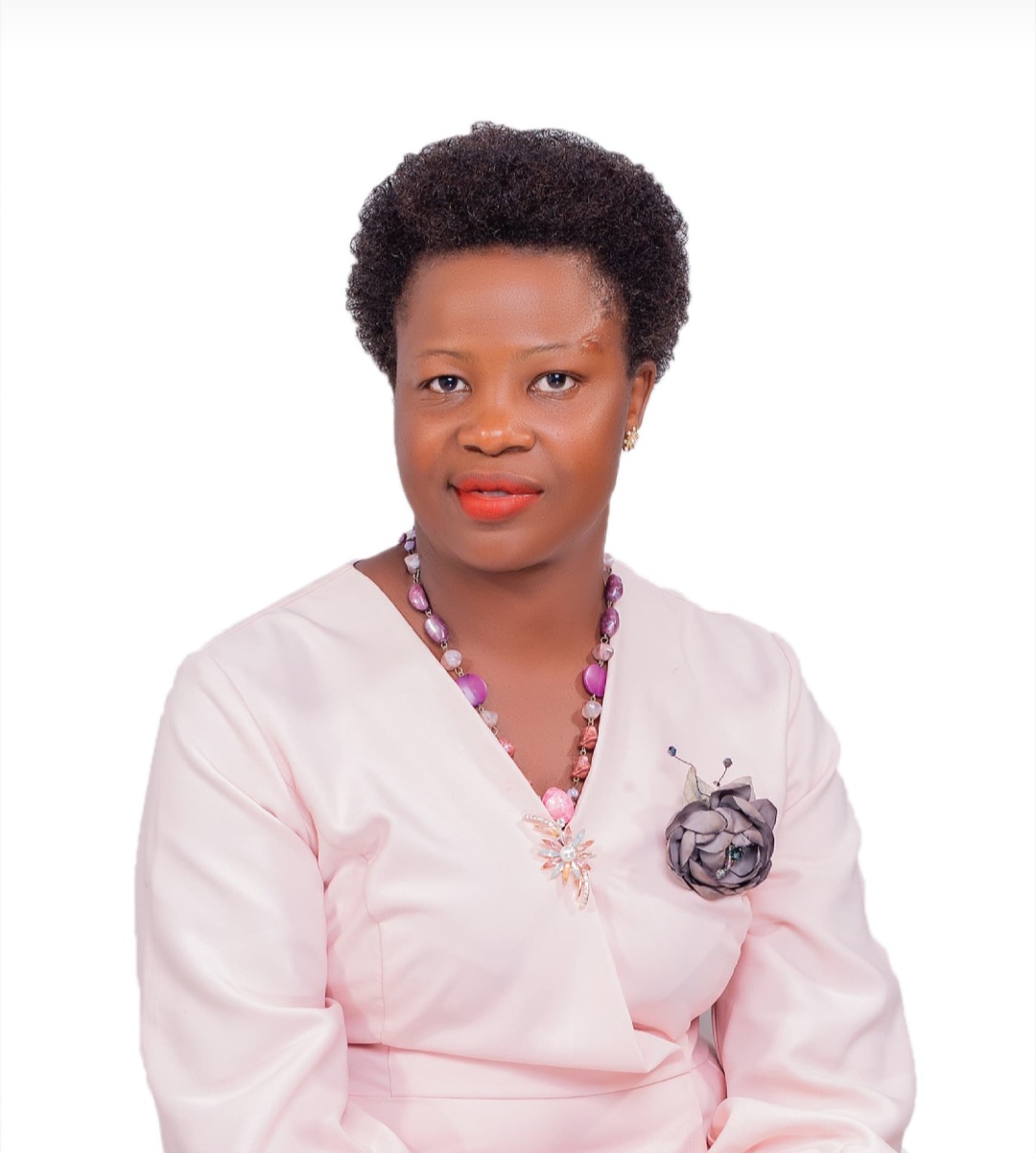
Nestor Basemera, PhD
Email: basemeranestor3@gmail.com
The writer is a researcher
The post NESTOR BASEMERA, PhD: Greasing the bottom of the pyramid? The role of bribery, informality, and manipulation for Ugandan politicians. Do voters care? appeared first on Watchdog Uganda.