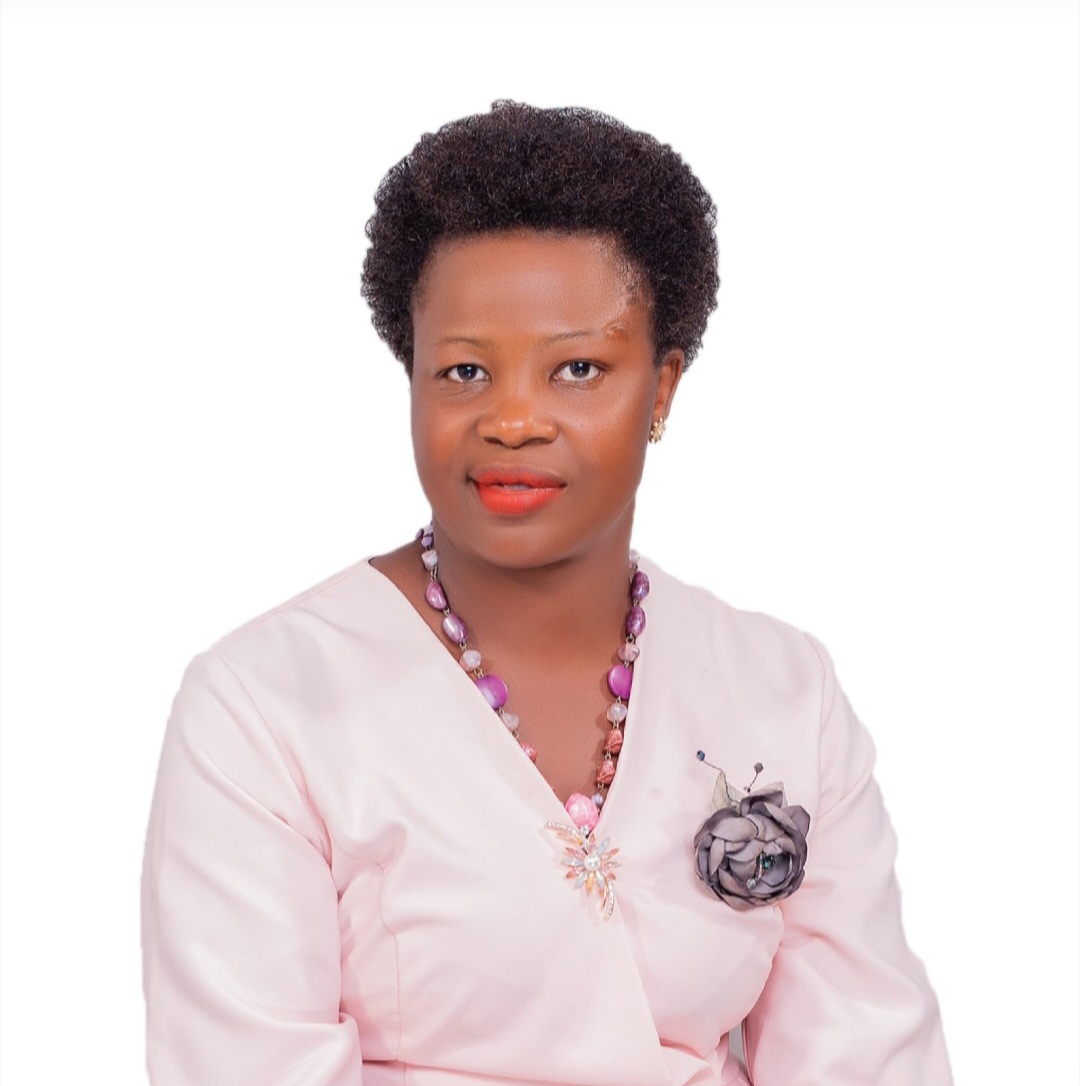
NESTOR BASEMERA, PhD: The Plague of Corruption in Uganda: A Deep Dive
Imagine a nation where billions meant to build hospitals, schools, and roads vanish into the pockets of a corrupt few, leaving millions to struggle without basic services. In Uganda, this is not just a dystopian scenario—it’s a reality that has persisted for decades. As of February 2026, the chances of finding a country without corruption globally are slim (ILO, 2025). This implies that finding a country without corruption is as unlikely as experiencing a “cold day in Hell.”
In Uganda, corruption is a major unresolved issue that has significantly hindered economic growth, services, and development. Transparency International (2025) ranked Uganda’s corruption fight as one of the worst globally, giving the country a score of 30 out of 100 on the Corruption Perceptions Index (CPI).
Despite President Y. K. Museveni declaring war on corruption, this effort has faced challenges due to the continuous misuse of state resources by politically influential individuals. President Museveni’s anti-corruption project is being carried out cautiously, as a more aggressive campaign could threaten the political power of certain individuals.
Similarly, the recent action cast under Operation Maliza Ufisadi—Swahili for Operation End Corruption—by Chief of Defence Forces (CDF) Gen Muhoozi Kainerugaba, who is also Senior Presidential Advisor (Special Operations), offers a glimmer of hope in the fight against corruption. However, there is a need to thoroughly investigate all institutions across the country, as corruption has infiltrated all levels of society. To that end, the government must establish and adhere to a robust system for monitoring its resources. Strong anti-corruption measures must be accompanied by concrete actions to eradicate corruption.
A survey conducted by the Inspectorate of Government in 2025 identified common forms of corruption in the country, including bribery, embezzlement of public funds, nepotism, and favoritism. The current fight against corruption in Uganda is progressing slowly, with ongoing public rhetoric, the introduction of new strategies, and international pressure. This battle is hindered by systemic constraints such as political interference, a slow judiciary, and a general culture of bribery.
As Uganda’s leaders begin their five-year term, the question remains: how will they address the millions/billions of money lost in transactional elections marked by vote-buying, fraud, and manipulation? Will political leaders resist demands from institutions, lower cadres, and voters for personal favors without engaging in corrupt practices? My guess is as good as yours. However, as the Chinese philosopher Tao Te Ching once said, “A journey of a thousand miles begins with a single step,” Ugandans pray to wake up one day to a corruption-free country.
In that regard, Operation Maliza Ufisadi (Operation End Corruption) in Uganda would unlock significant national revenue, restore public trust in state institutions, and stabilize the economy. A corruption-free environment would also attract substantial Foreign Direct Investment (FDI) and create sustainable, well-paying jobs for the local population.
basemeranestor3@gmail.com
The post NESTOR BASEMERA, PhD: The Plague of Corruption in Uganda: A Deep Dive appeared first on Watchdog Uganda.