Nawrocki vetoes one-year language reprieve as 441 mostly Ukrainian doctors lose right to practice
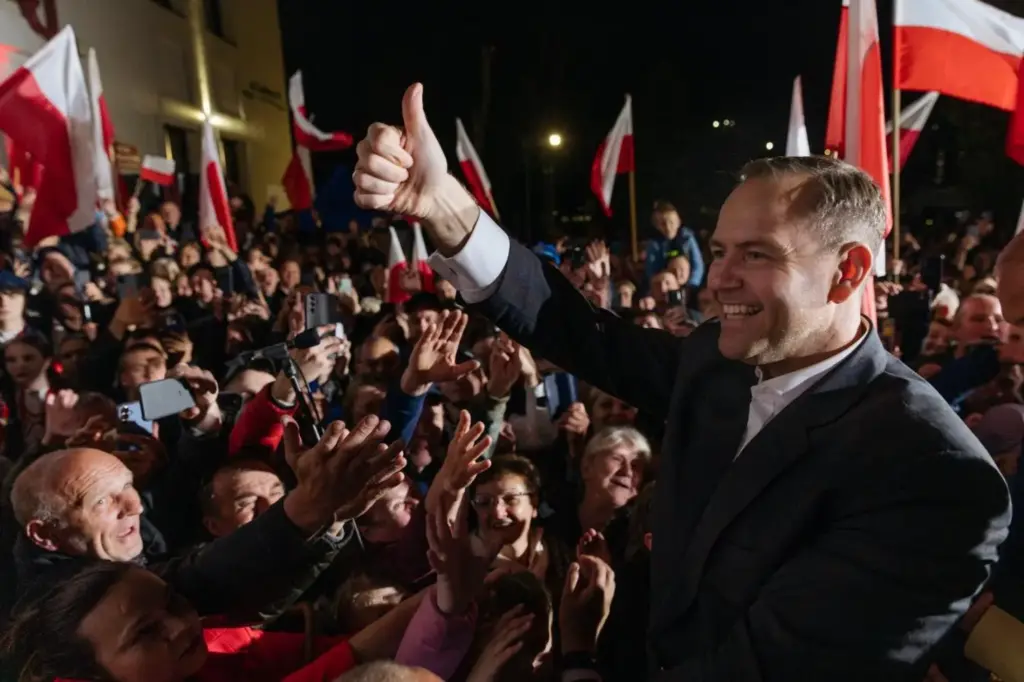

Polish president Karol Nawrocki has vetoed a one-year extension that would have let Ukrainian doctors and other non-EU medics keep working without a B1 Polish certificate. Rzeczpospolita reported the move on 11 June.
The conditional licenses Poland fast-tracked after Russia's full-scale invasion now run on a clock the head of state will not reset.
From 1 May, regional medical chambers began revoking the right to practice from anyone without a certificate.
By 11 June, 441 medics had lost it. Polish chamber spokesman Jakub Kosikowski said at the start of May that 2,321 doctors and 1,014 dentists still lacked the document.
What the veto stops
The Sejm passed the one-year extension on 15 May. The Senate followed on 22 May. Civic Coalition deputy Krzysztof Bojarski had introduced the amendment in committee days before the original 1 May deadline. Poland's Health Ministry backed the push to head off staffing collapse in hospitals already short on physicians.
Nawrocki framed his decision around patient safety.
"Every Pole has the right to expect that they will be able to effectively and without obstacles communicate with their doctor."
The Lower Silesian Medical Chamber in Wrocław has revoked 129 licenses — the most of any region. Warsaw follows with 99, Warmian-Masurian with 52, and Greater Poland with 42.
The simplified pathway through which Ukrainian doctors first gained temporary practice rights expired on 24 October 2024. After a five-year conditional permit runs out, Ukrainian doctors must nostrify their diplomas or sit the Polish Medical Verification Examination.
How the medical lobby got there first
Łukasz Jankowski, head of the Supreme Medical Council (NRL), met Nawrocki at the Presidential Palace on 20 May, between the Sejm and Senate votes.
"Thanks to this veto, patients will be treated by doctors who know Polish," Jankowski told Rzeczpospolita.
The NRL had argued during consultations that the Health Ministry was ignoring the medical community. In Jankowski's telling, the veto answered a delivered request, not a political shock.
A wider rollback
This veto sits inside a year-long pattern. Nawrocki had already vetoed broader refugee assistance in August 2025. He then forced conditional benefits tied to work or schooling. In February, he signed the law folding what remained of special Ukrainian protections into the general foreigners' regime.
Public mood has shifted around him. Polish support for hosting Ukrainian refugees crashed from 94% to 57% over the course of the war. Yet Ukrainian residents contributed roughly $5 billion to Poland's budget in 2024 through taxes and insurance.
The historical row over UPA's 1943–1944 massacres of Poles in Volhynia has pulled the relationship further down. Volodymyr Zelenskyy's May decree naming a Special Operations Forces unit "Heroes of UPA" reignited it. Foreign Ministry spokesperson Heorhii Tykhyi said on 29 May that "only Moscow benefits from disputes between Ukrainians and Poles."
The veto's clearest cost, however, will not arrive in diplomatic notes. It will show up in shifts at hospitals from Wrocław to Olsztyn that, until last month, had a Ukrainian doctor on duty.
Read also
-
Poland works to regulate status of Ukrainians as Polish president blocks protection extension
-
Heroes of UPA unit will keep its name, Budanov's office says despite Polish pressure
-
Former Polish ambassador returns Ukrainian Order of Merit after UPA Heroes unit decree
-
Polish parliament adopts new law on aid to Ukrainians after Nawrocki's veto