Nausėda: Lithuania has “4-5 years” to prepare for possible Russian attack
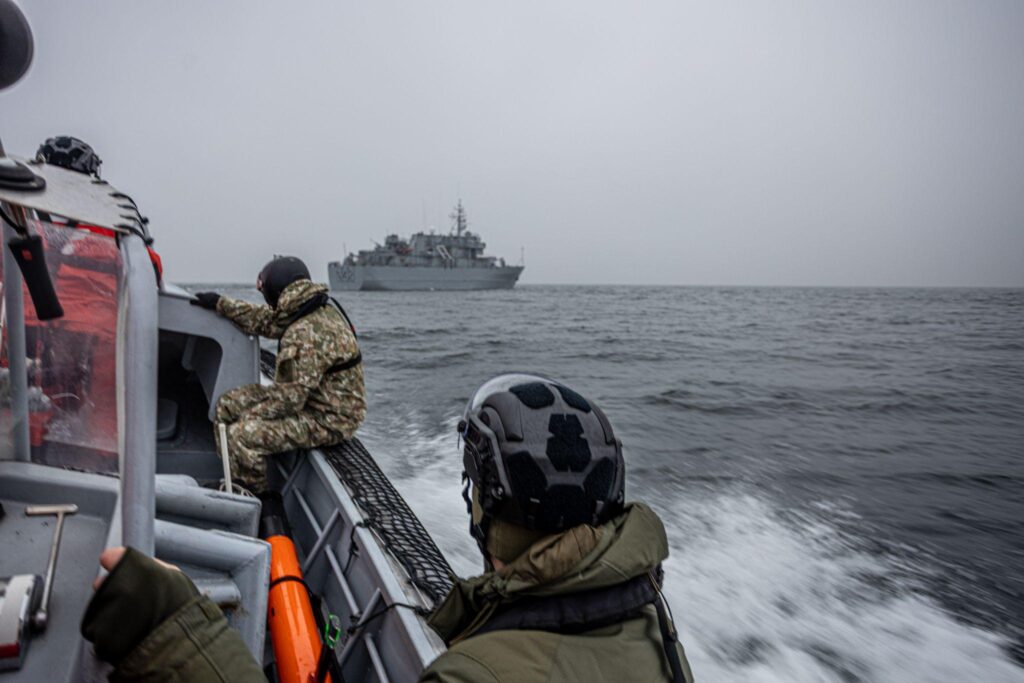

Lithuania is preparing for a potential Russian offensive against NATO countries by 2030, Lithuanian President Gitanas Nausėda said on 20 March, according to Novyny.LIVE.
When asked whether he considers forecasts of a potential Russian attack on a NATO member by 2030 to be realistic—an assessment shared by many politicians and experts—Nausėda responded that it is a basic assumption made in Lithuania.
“This is exactly the basic assumption we made in Lithuania because we have a very ambitious goal to establish a national division fully equipped to build all the necessary infrastructure until 2030. So, our calculation is if the scenario will be like this, we still have about 4-5 years,” he said.
Nausėda warned that if sanctions on Russia are lifted, Lithuania will have even less time to prepare its forces for defense.
He believes a potential Russian offensive could mark the next stage of Moscow’s aggression against the West. Still, he stressed that Lithuania has the means to respond and prepare accordingly.
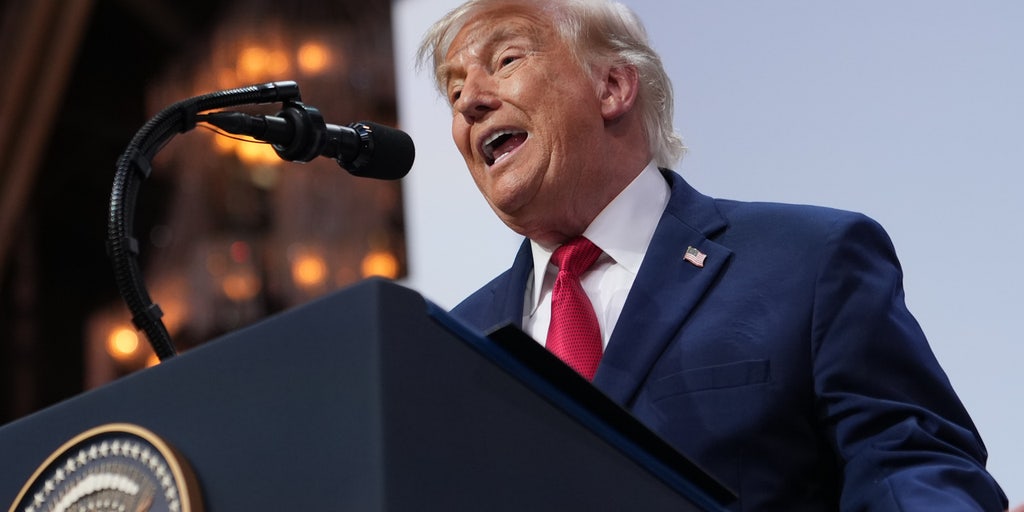
Earlier, former UK Prime Minister David Cameron expressed concern that US President Donald Trump’s approach to securing peace in Ukraine could establish a dangerous precedent for other countries bordering Russia.
Amid the ongoing Russo-Ukrainian war, Trump has alarmed European allies by appearing to shift toward Moscow after taking office in January. Cameron warned this approach could be “very worrying” for the Baltic states — Estonia, Latvia, and Lithuania — which all share borders with Russia.
Related:
- Russia and America both want Ukraine to “choose” defeat. And we’re watching it live
- French defense minister says 15 countries are looking to give “some sort” of security guarantees to Ukraine
- Ceasefire or cûl de sac? Saudi US-Ukraine talks pose conundrum to Russia, and US too
- ISW: Russian ultranationalists and milbloggers dislike US-Ukraine’s 30-day ceasefire proposal
You could close this page. Or you could join our community and help us produce more materials like this.
We keep our reporting open and accessible to everyone because we believe in the power of free information. This is why our small, cost-effective team depends on the support of readers like you to bring deliver timely news, quality analysis, and on-the-ground reports about Russia's war against Ukraine and Ukraine's struggle to build a democratic society.
A little bit goes a long way: for as little as the cost of one cup of coffee a month, you can help build bridges between Ukraine and the rest of the world, plus become a co-creator and vote for topics we should cover next. Become a patron or see other ways to support.