Mao Under Fire as Old Praises, Defenses of Speaker Among Return to Haunt Him
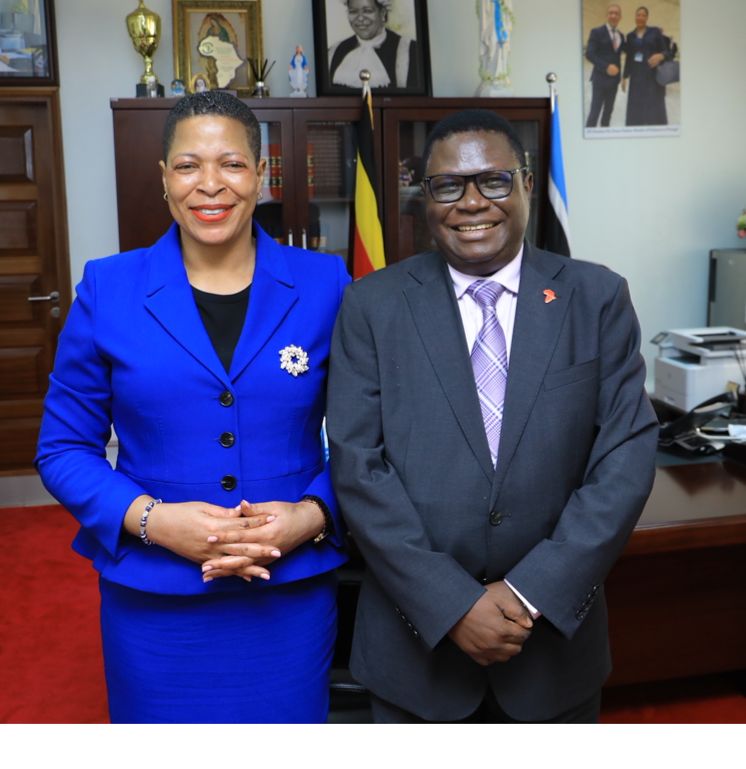
Kampala: Justice and Constitutional Affairs Minister Norbert Mao is facing mounting public criticism after old videos and statements defending Speaker Anita Annet Among resurfaced online, exposing what critics describe as a dramatic political U-turn amid the escalating battle for the Speakership of Uganda’s 12th Parliament.
The resurfaced remarks, now circulating widely on social media platforms, date back to March 2024 when Mao passionately defended Among against growing corruption allegations and international scrutiny.
Speaking as chief guest during the 122nd anniversary celebrations of Namilyango College, Mao dismissed accusations against the Speaker as a politically motivated witch-hunt.
“I get surprised when people come out and start attacking my sister Among that she is corrupt,” Mao said at the time, drawing applause from sections of the audience.
He went further to portray Among as a generous public servant whose wealth was being exaggerated by critics. According to Mao, the Speaker’s bank account allegedly remained nearly empty because she spent much of her earnings supporting churches, schools, community projects, and vulnerable people across the country.
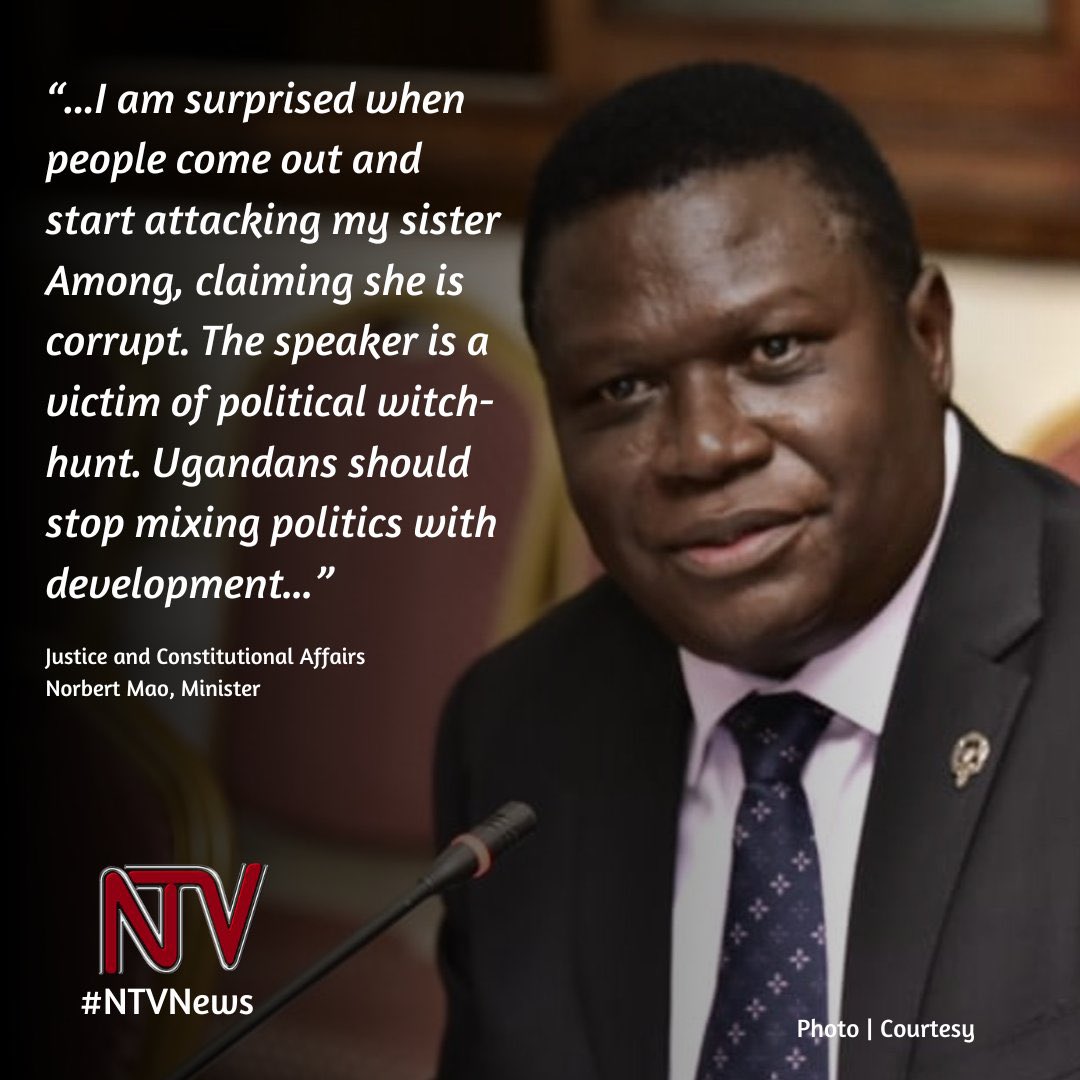

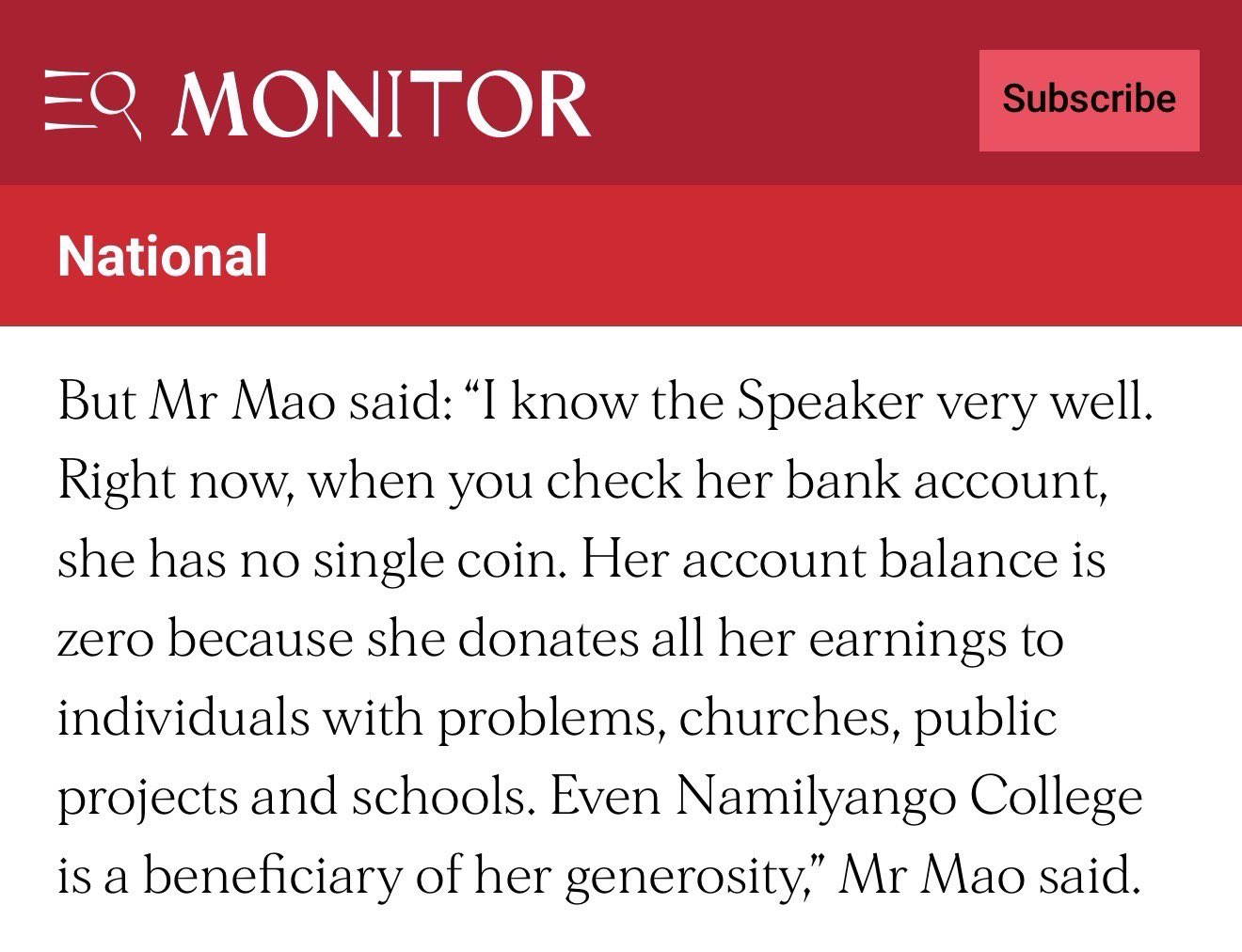
Those comments are now returning to haunt the Democratic Party president as he repositions himself as one of Among’s loudest critics in the fierce contest for parliamentary leadership ahead of the official opening of the 12th Parliament later this month.
In recent weeks, Mao has dramatically changed tone.
The minister has openly questioned the source of Among’s wealth, linked international sanctions against her to alleged corruption rather than Uganda’s Anti-Homosexuality Act, and accused Parliament of becoming the epicenter of state capture and abuse of public resources.
During recent public appearances and political engagements, Mao claimed that corruption in Uganda “starts in Parliament” and argued that the country needs new leadership at the helm of the legislature.
“I like Anita Annet Among very much, but I love Uganda even more,” Mao declared while pitching himself as a reform-minded alternative.
He further referenced Among’s alleged high-value properties, including reported residences in Kigo and Nakasero, luxury expenditures, and controversial parliamentary spending projects that have faced public scrutiny.
The sharp reversal has triggered backlash online, with many Ugandans accusing Mao of political convenience and selective morality.
Activists, journalists, and opposition supporters have widely shared archived clips of his earlier praise for Among, questioning whether his new anti-corruption stance is driven by principle or political ambition.
For critics, the contradiction exposes a deeper problem in Uganda’s politics — leaders defending individuals when politically aligned, only to denounce them once alliances shift.
The tensions between Mao and Among exploded further during the recent ruling party retreat in Kyankwanzi, where the Speaker reportedly suggested that non-NRM actors should stay away from sensitive party positions, using what observers described as a controversial “bedroom” analogy.
Mao responded angrily, accusing Among of arrogance and disrespect toward President Yoweri Museveni, who formally invited him into cooperation arrangements between the ruling NRM and the Democratic Party.
Political analysts say the growing fallout reflects deeper power struggles within Uganda’s political establishment as influential figures reposition themselves ahead of the new parliamentary term.
While Among’s supporters accuse Mao of opportunism and desperation, Mao’s backers argue that leaders are entitled to revise positions when confronted with new information or changing realities.
Still, the controversy highlights the growing power of digital archives and social media “receipts” in Uganda’s modern politics, where past statements can quickly resurface and shape public opinion.
As the race for the Speakership intensifies, the Mao-Among clash is increasingly becoming more than a personal rivalry. It is emerging as a broader public debate about political consistency, corruption, accountability, and the credibility of Uganda’s political class.
For many Ugandans watching the unfolding drama, one question remains unanswered: Was Mao sincere then, or is he sincere now?
The post Mao Under Fire as Old Praises, Defenses of Speaker Among Return to Haunt Him appeared first on Watchdog Uganda.